



EV naysayers are fond of predicting that widespread EV adoption will “crash the grid,” or that it will lead to higher electric bills. In reality, the grid has been gradually expanding to accommodate new technologies for a century—none of the energy-hungry innovations of the past, from air conditioning to computing, caused any shortage of electrical power, and none of the utility execs Charged has interviewed over the years has expressed any concern that EV adoption will do so.
However, the challenge of providing adequate power to specific locations in a timely manner is a real one, and that’s why intelligent infrastructure planning, load management and increasingly, battery storage, are important.
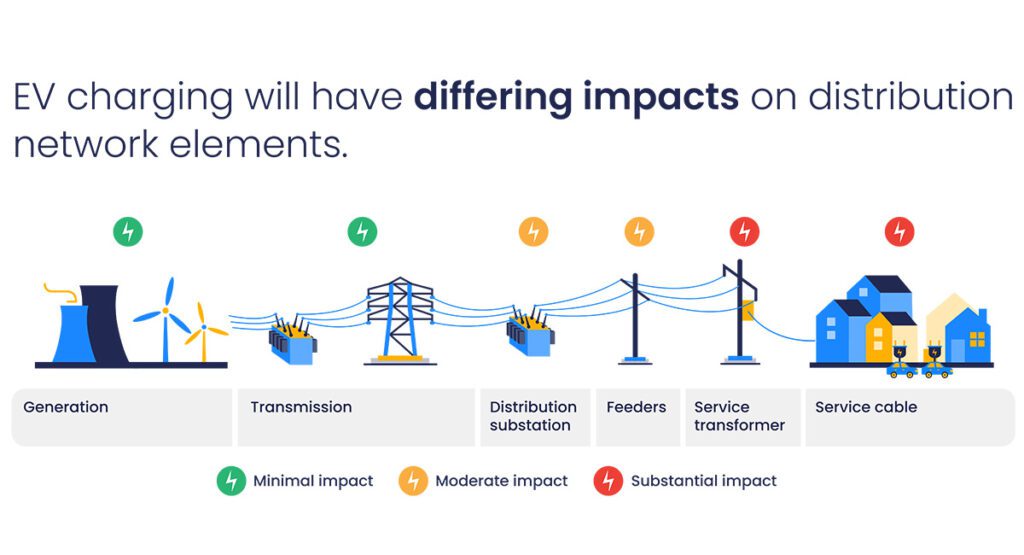
A recent article from the Rocky Mountain Institute argues that meeting the increased electricity demand from EVs will require load management tools to reduce the impact on the grid, as well as investments in distribution infrastructure. However, RMI also notes that EVs offer a huge opportunity to provide multiple benefits for the grid—and ratepayers—when planned for strategically and integrated effectively.
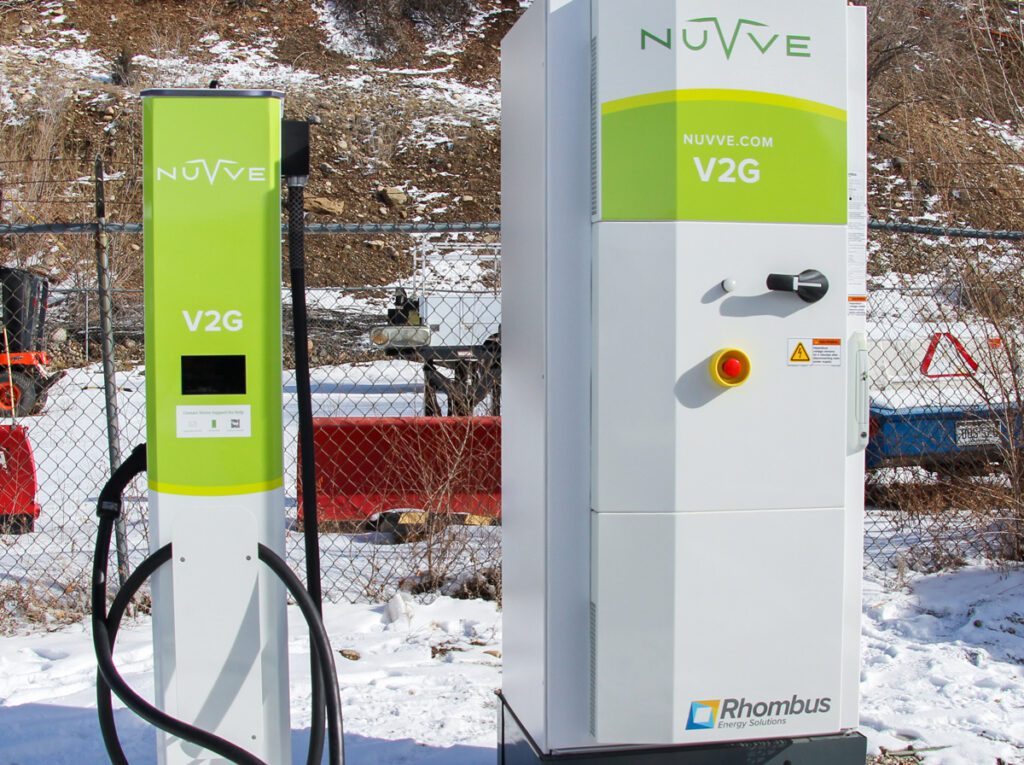
As bidirectional charging (V2X) moves from the pilot stage to commercial deployments, RMI and many others have predicted that utilities will pay EV owners for using their batteries to provide grid services. Others may be skeptical about how much of the savings utilities will pass on to their customers, but there’s little question that bidirectional EV charging can increase the efficiency and cost-effectiveness of grid operations, resulting in cost savings.
For the past couple of years, I’ve been asking everyone I interview for their views on V2G. While all agree that it’s an extremely promising technology, several have told me that, even before V2G becomes widespread, there is much that can (and should) be done with load management, which relies on mature, widely deployed technology.
As RMI explains, “The timing of electricity usage has a substantial impact on the cost of providing that electricity. When and how EVs are charged has a direct effect on both utility and customer costs.” Charging EVs when energy demand is low and more grid capacity is available not only reduces incremental strain on the grid, but also allows EV owners to take advantage of lower-cost power.
Utilities can support this charging behavior through various charging management practices. Passive load management rewards off-peak charging with lower electricity costs, often through time-of-use (TOU) rates. Active management strategies such as direct load control programs balance driver charging needs with grid constraints by allowing utilities or third parties to manage charger power output and timing. (Utilities have been doing this with air conditioners and other appliances for decades.)
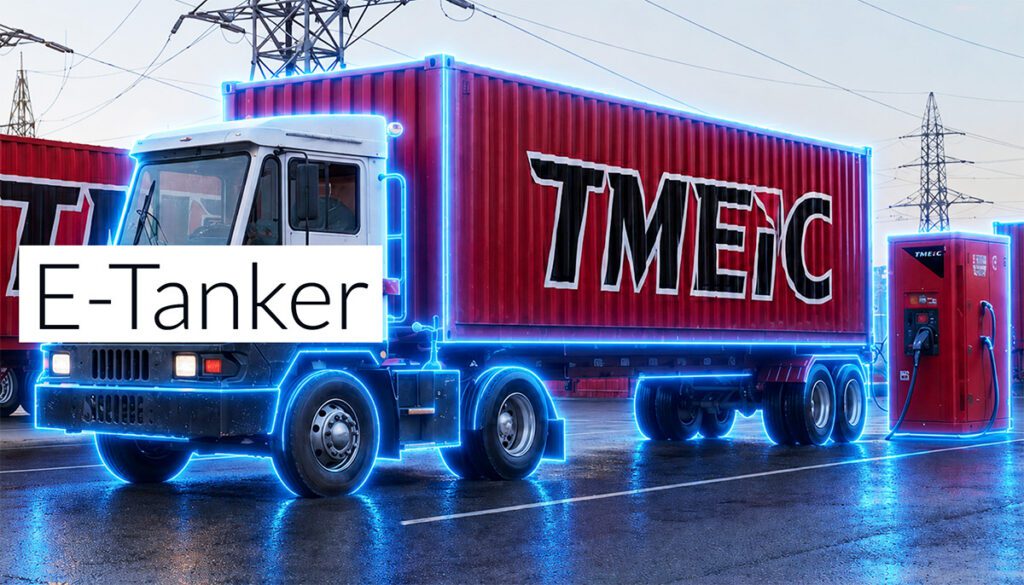
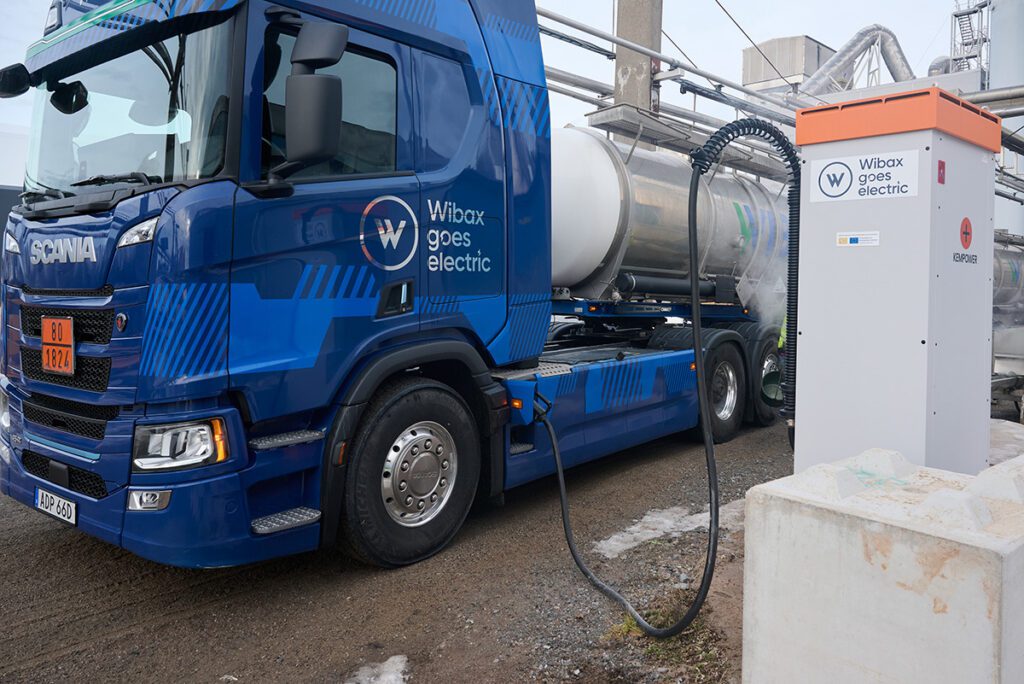
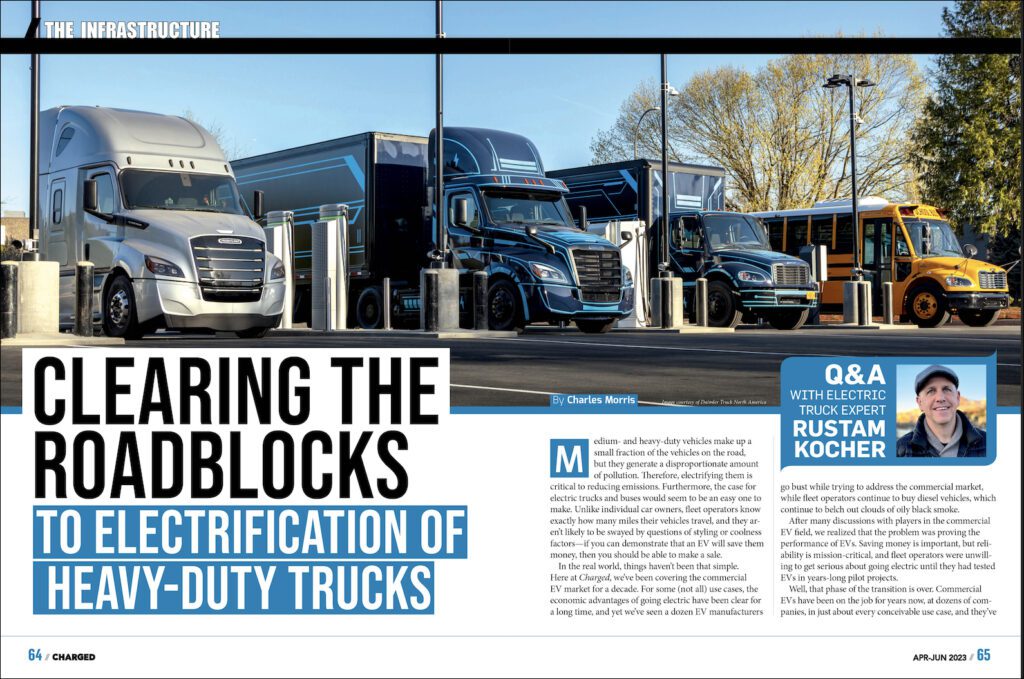
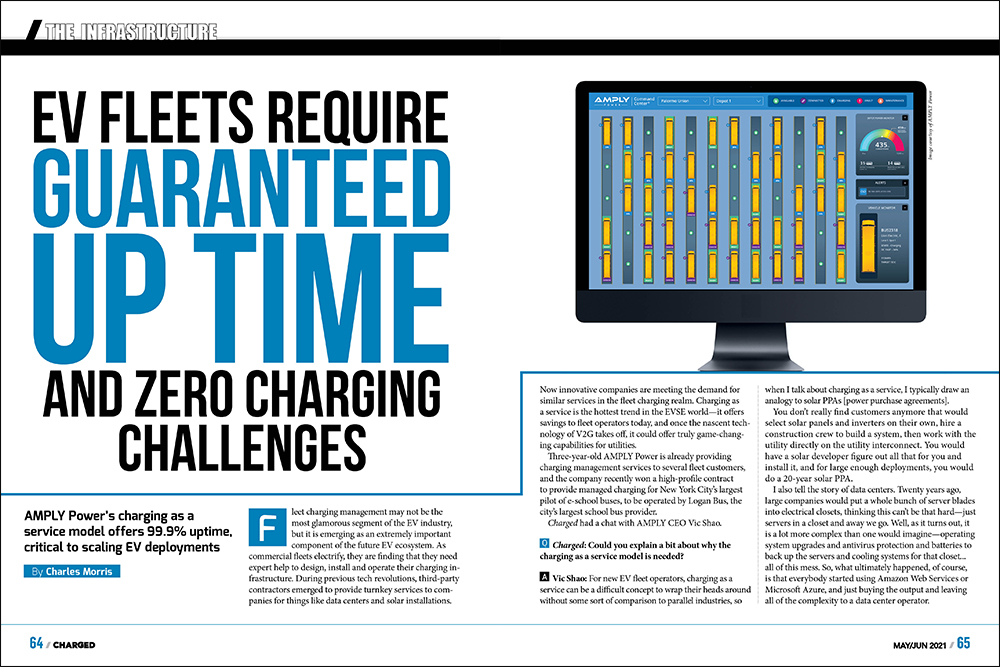
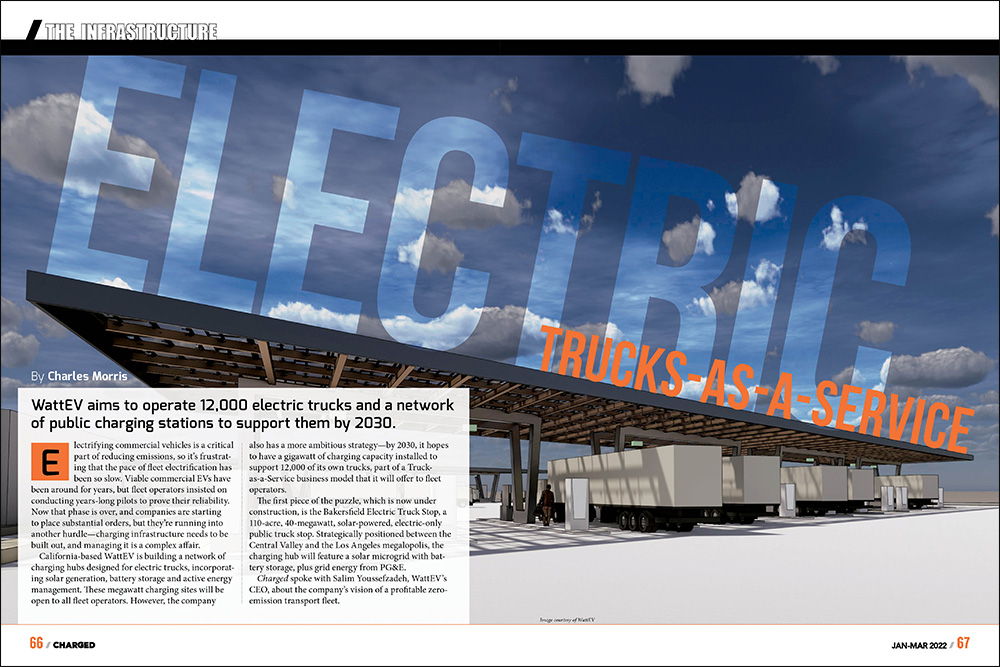
When we consider commercial-scale charging loads such as EV fleets, load management appears not just as a cost-saving feature, but as a necessity. As RMI explains, electrifying a heavy-duty truck depot (in the absence of load management) could require costly and time-consuming upgrades to the utility interconnect. However, as some trucks typically sit parked at the depot for longer than the time they need to charge, simply agreeing to limit charging during specific hours can enable fleets to add more EVs, more quickly, and reduce charging costs.
In an article posted on LinkedIn, supply chain expert Wolfgang Lehmacher makes a similar argument. “The most binding bottleneck in electric trucking is not batteries or chargers but system design at the interface between fleet and grid,” he writes. “In one published scenario, bringing 60 trucks into a depot and charging them in an uncontrolled way raised peak demand from around one megawatt to roughly four megawatts.”
Intelligent integration is the answer, Lehmacher tells us. Coordinated load management, perhaps combined with on‑site battery storage, can reduce annual infrastructure and energy costs by thousands of euros per vehicle per year.
Herr Lehmacher’s conclusion: Intelligent design of charging infrastructure, including close coordination between utilities and customers, will separate winners from laggards in the fleet sector.
Sources: Rocky Mountain Institute, Wolfgang Lehmacher


















 Webinars & Whitepapers

























 EV Tech Explained