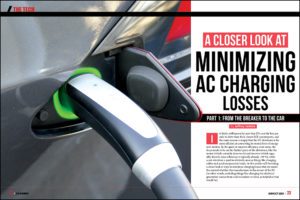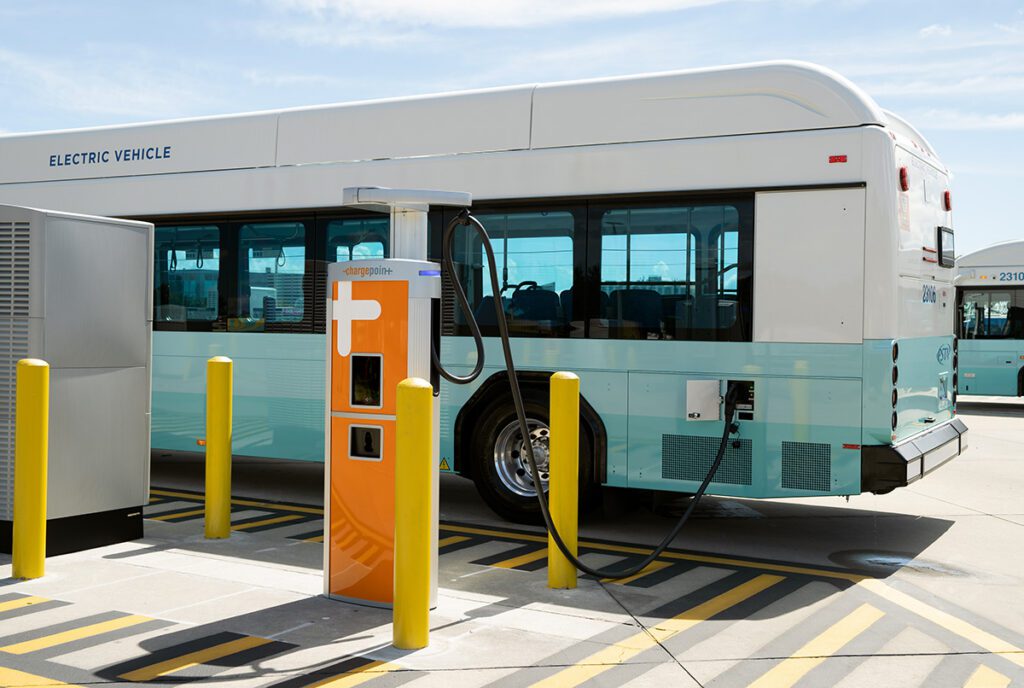




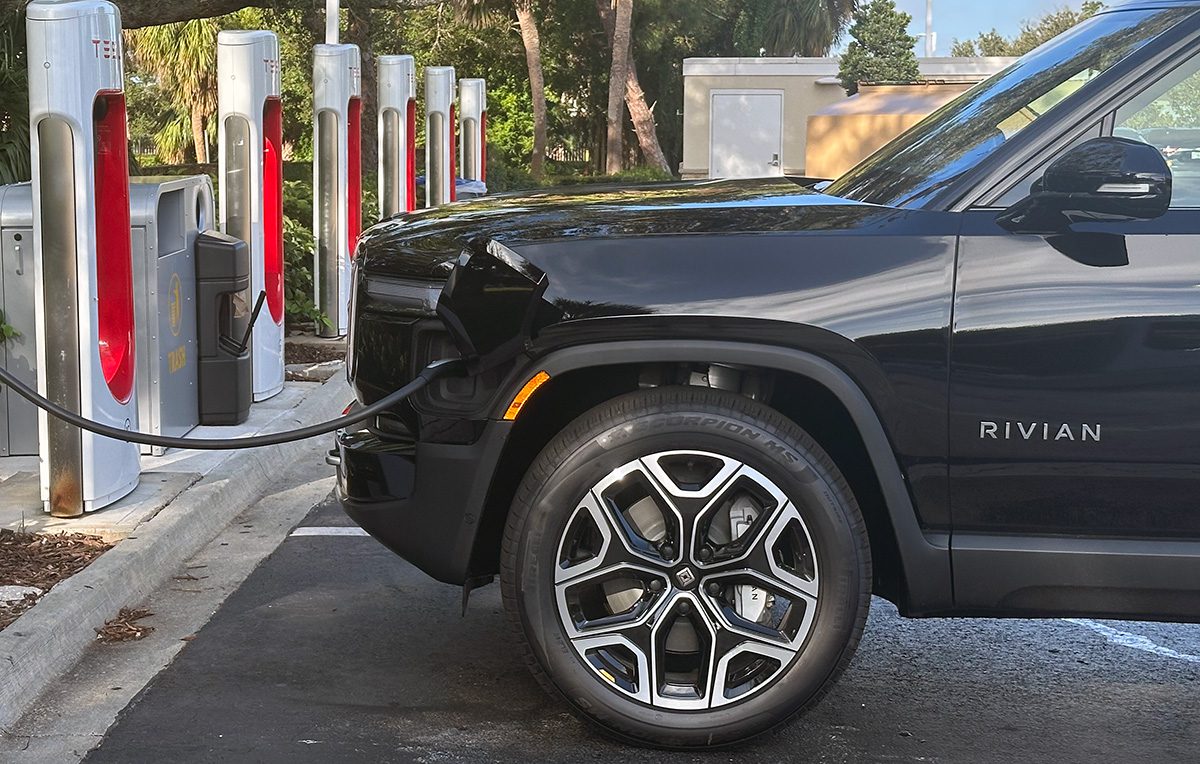
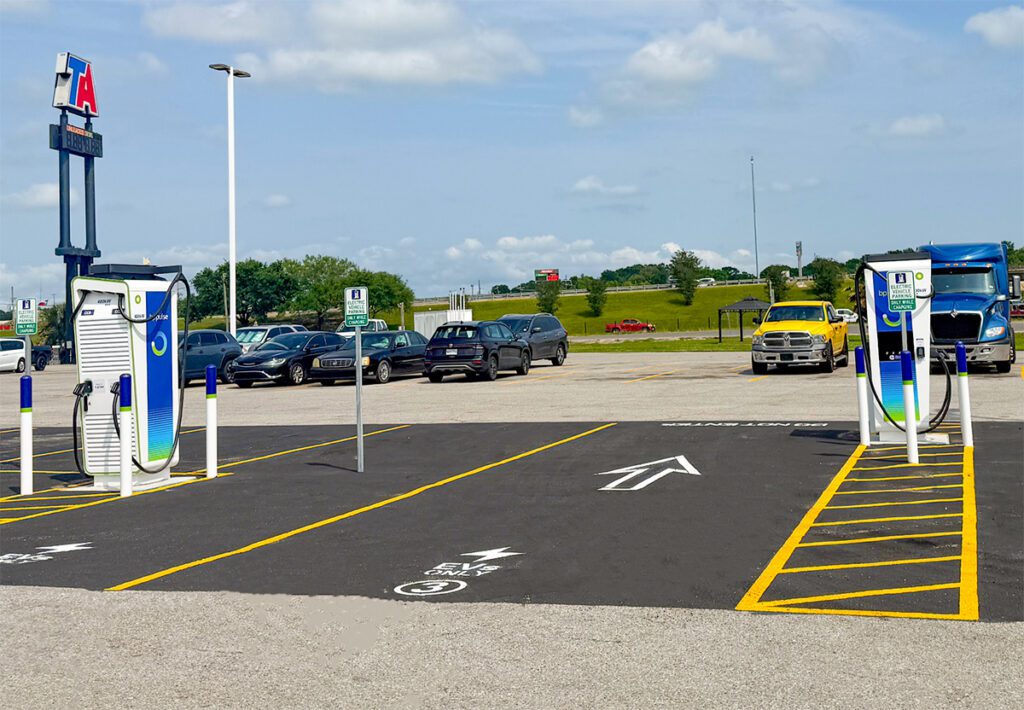
The California Energy Commission (CEC) has announced $55.2 million in new funding for public fast EV charger deployment across the state, through the California Electric Vehicle Infrastructure Project (CALeVIP).
The new funding will be available through two upcoming incentive windows under CALeVIP’s Fast Charge California Project, giving site owners and project developers two opportunities to move ready-to-build charging projects from planning to installation.
The first window, open from October 7, 2026 to January 14, 2027, will offer incentives covering up to 100% of eligible installation costs for DC fast chargers, up to $100,000 per charging port.
The second window, open from February 24, 2027 to May 27, 2027, will offer incentives covering up to 100% of eligible installation costs for DC fast chargers, up to $55,000 per port, with minimum output of 150 kW.
To qualify for the incentives, charging sites must be publicly accessible and meet program requirements. Priority will be given to projects in tribal areas, disadvantaged communities and low-income areas. Eligible sites may include businesses, public facilities, high-traffic destinations and locations along key travel routes.
Applicants must have ready-to-build projects before applying, including a final utility service design and all required permits. Full eligibility requirements and application details will be available on the CALeVIP web site.
CALeVIP’s first window of the Fast Charge California Project has awarded $54 million to date for more than 1,200 ready-to-build fast-charging ports in 35 counties across the state. In total, CALeVIP has supported more than 10,500 charger installations across California.
“Expanding access to reliable and convenient fast charging is essential to support California’s growing number of EV drivers and keep the state on track toward its clean transportation goals,” said Spencer Reeder, Director of CEC’s Fuels Transportation Division. “CALeVIP has been pivotal in bringing chargers to communities and travel corridors that need them most, while making it easier for businesses and site hosts to get their chargers installed and operational.”
Source: California Energy Commission

















 Webinars & Whitepapers






















 EV Tech Explained