




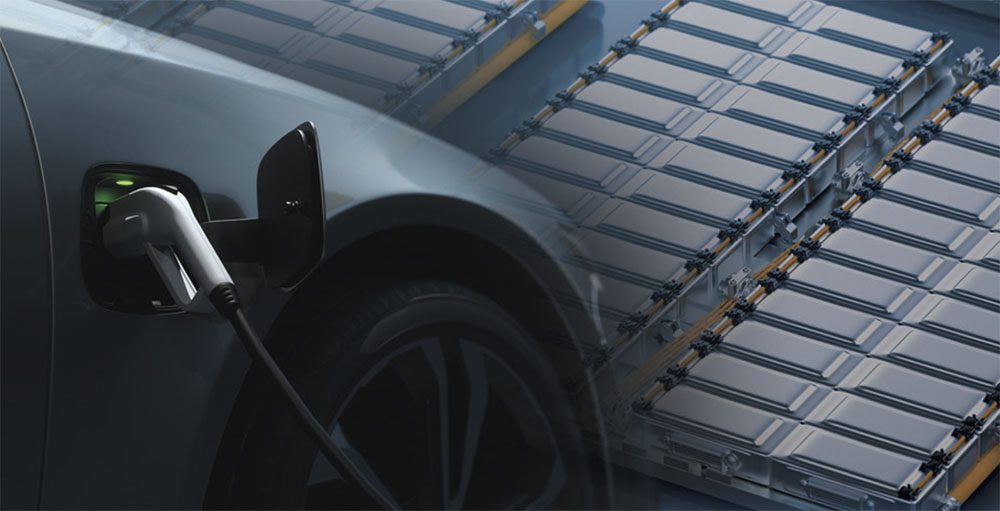
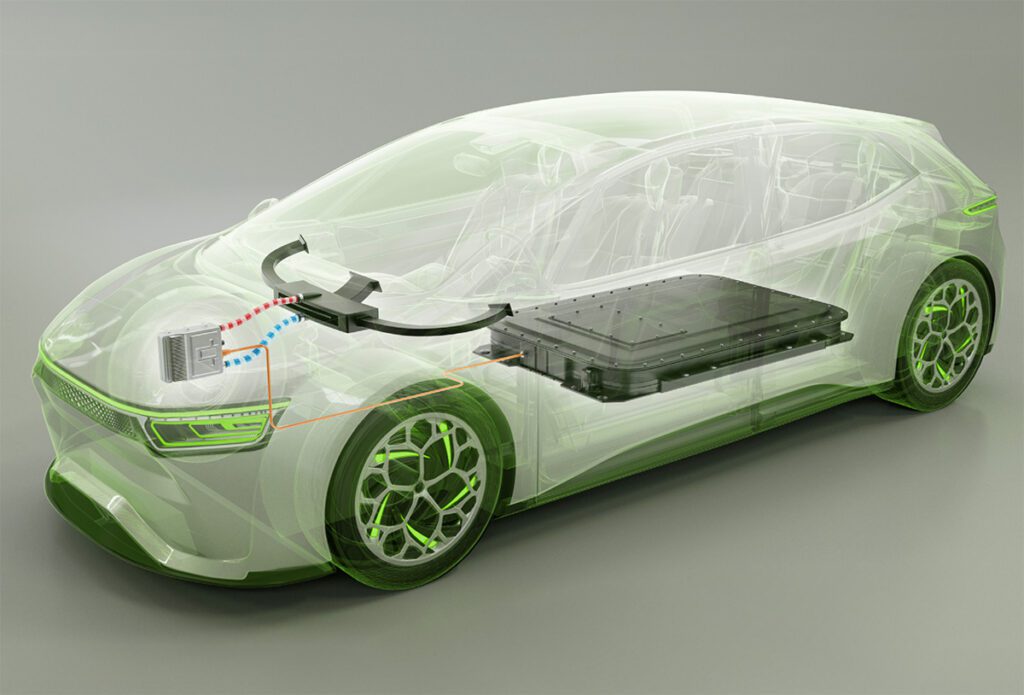
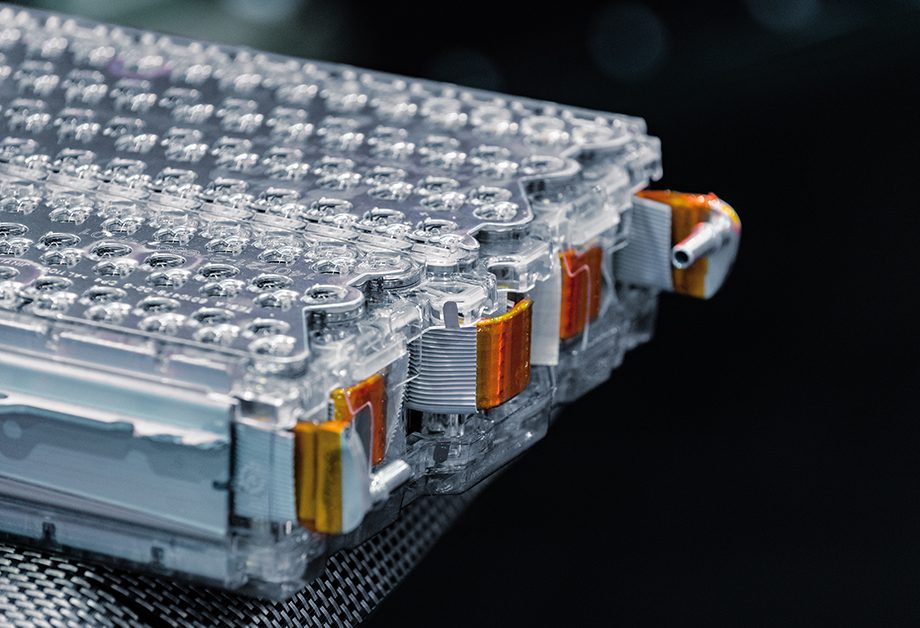
Engineering specialist IAV and semiconductor firm Nexperia have developed a lab-validated concept called ONE Inverter that uses software-defined control and bidirectional GaN switching to manage individual battery sections rather than treating a pack as a single unit.
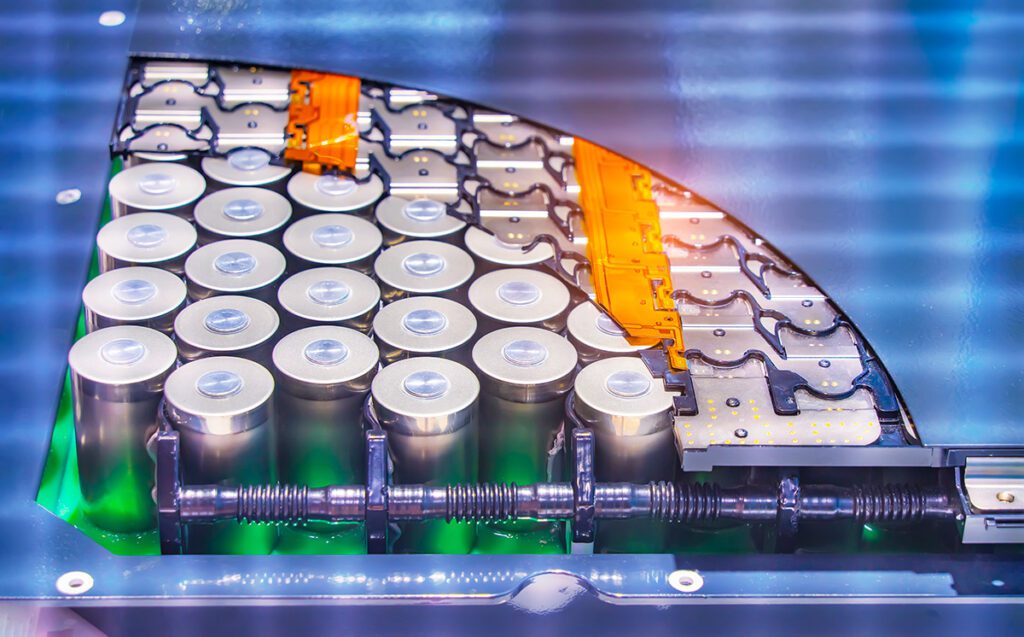
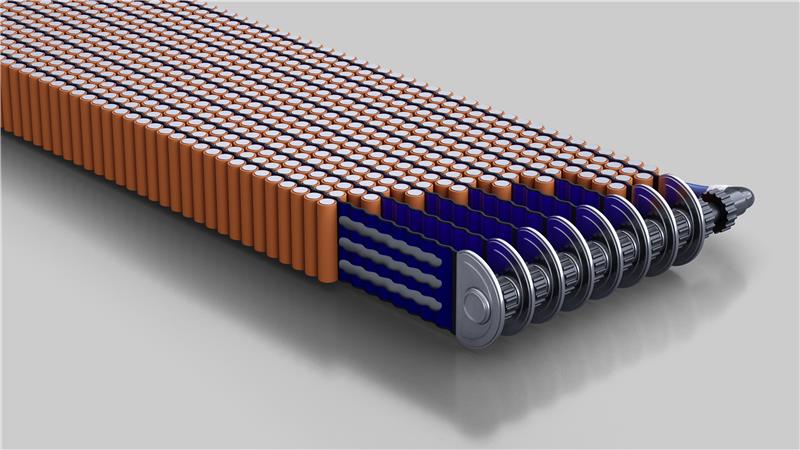
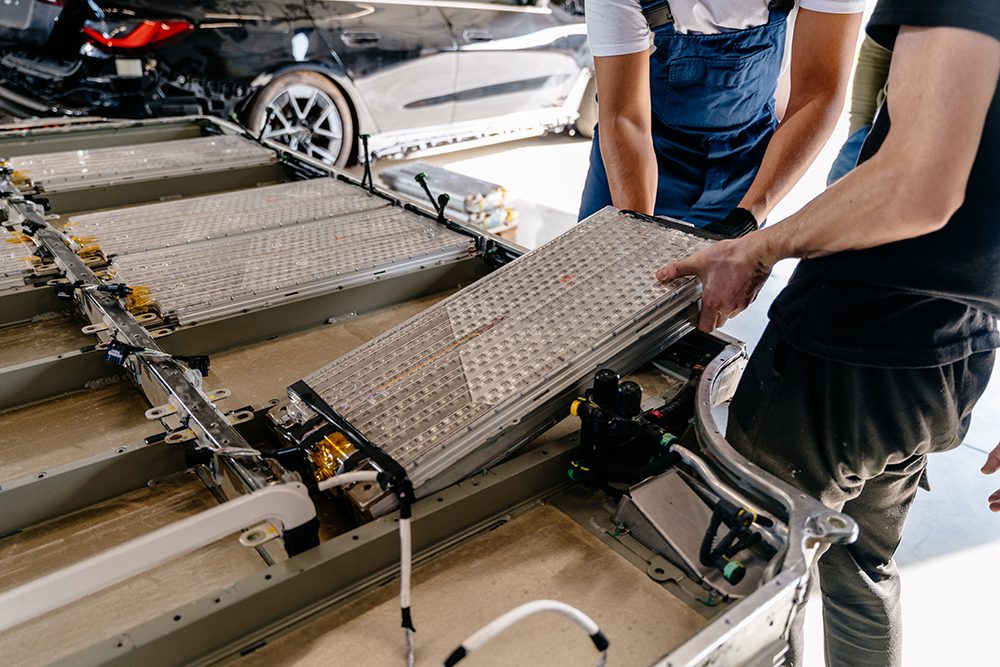
In conventional series-string battery architectures, every cell must carry the same current, meaning the pack’s effective capacity is constrained by its weakest cell. ONE Inverter addresses this by dynamically allocating and controlling battery sections through a software layer, allowing each section to contribute according to its actual state rather than being dragged down by degraded neighbors. The same architecture also allows functions that currently require separate power electronics systems to be combined into a single system concept.
The technical enabler is Nexperia’s bidirectional GaN device, which allows fast, efficient switching at the battery section level. IAV says alternative semiconductor technologies would increase system complexity and cost to the point of making the approach unviable—GaN’s low switching losses and compact die size are what make per-section control economically workable. Bipolar devices from Nexperia’s broader portfolio also support the overall design. IAV developed the software-defined system architecture and battery control strategy.
“By combining IAV’s expertise in battery systems, software and vehicle architectures with Nexperia’s semiconductor and packaging know-how, we are exploring new ways to help customers build more efficient, resilient and future-ready electric mobility solutions,” said Jörg Astalosch, CEO of IAV.
Source: Nexperia




















 EV Engineering Webinars & Whitepapers











 EV Tech Explained