








Charged Electric Vehicles Magazine
Issue 74: October-December 2025
Featuring

Is USPS’s new electric Oshkosh delivery van the year’s most important EV?
The most common EV some Americans will see over the next few years may be the one that delivers their mail. A new electric vehicle has now quietly launched onto US roads. As of now, you can’t buy one for your own use, but you’re going to see a lot of them in coming years,… Read more »
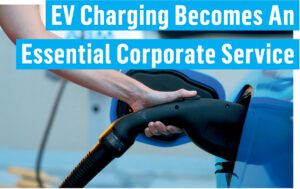
Fleet EV charging as a service: how ABM designs, builds and operates depots
EV charging becomes an essential corporate service. “Focus on your core business” is a tried-and-true business maxim. Companies large and small rely on service providers to take care of logistical tasks so they can concentrate on whatever it is they do to generate profit. That’s what ABM is all about—it provides a vast array of services for… Read more »
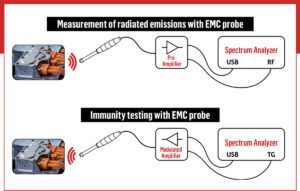
EMI filters and noise mitigation techniques for power electronics
Pretty much every product, device or subsystem involved in power conversion, both on- and off-board anw EV, will have to comply with both safety and ElectroMagnetic Compatibility (EMC) regulations. And while most power electronics engineers find the safety regulations to be relatively straightforward, I’d wager that few feel the same about the EMC ones. EMC… Read more »
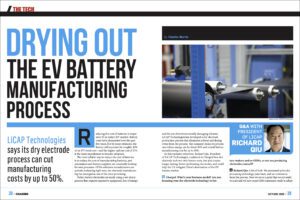
Dry electrode battery manufacturing: LiCAP says its solvent-free process can cut costs up to 50%
Drying out the EV battery manufacturing process. Reducing the cost of batteries is imperative #1 in today’s EV market. Battery costs have plummeted over the past few years, but by some estimates, the battery still accounts for roughly 40% of an EV’s total cost—and the higher upfront cost of EVs is the main impediment to broader adoption…. Read more »
Autocharge vs Plug & Charge (ISO 15118): What’s the difference—and what comes next?
Every year, technology makes it easier to spend money—except when it comes to EV charging. We can buy a candy bar or a car with one tap of our credit card, but charging on the highway (for non-Tesla drivers) requires dealing with a phoneful of often poorly-designed apps. Plug & Charge, a system based on… Read more »
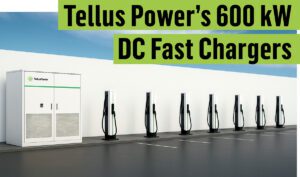
Inside Tellus Power’s 600 kW DC fast chargers: distributed architecture, NACS/CCS support and Plug & Charge
Tellus Power aims to deliver the features customers need today, while preparing for a massive scaling up in the future. It’s tough to keep up with the latest developments in the EV fast charging industry these days. Charging providers are rapidly rolling out fast charging stations around the world, with ever-larger numbers of individual charging… Read more »