

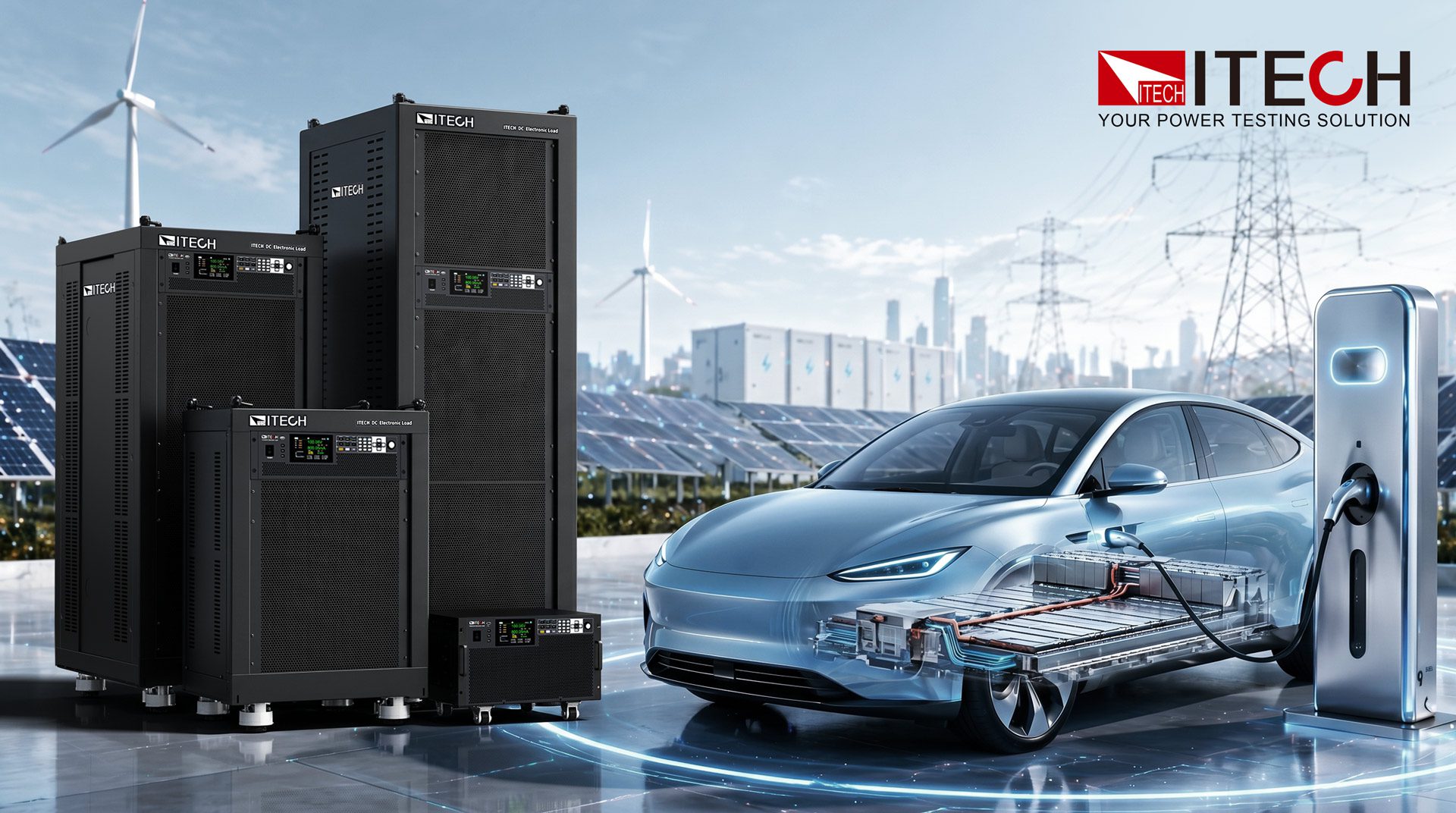
From bidirectional energy flow to MW-scale cycling, here’s how validation requirements are evolving and what engineers must prepare for.
As EV architectures transition from 400 V to 800 V and beyond 1000 V, ultra-fast charging is entering the megawatt era. While this shift enables dramatically reduced charging times, it also introduces a new layer of complexity in validation.
Engineers are now faced with a growing gap between charging system capabilities and battery safety limits—raising critical questions about reliability, lifecycle performance, and grid interaction.
This article examines the emerging concept of “validation anxiety,” outlines key testing challenges, and explores how next-generation test platforms are being applied across battery, charging, and grid validation scenarios.
The Shift to Megawatt Charging
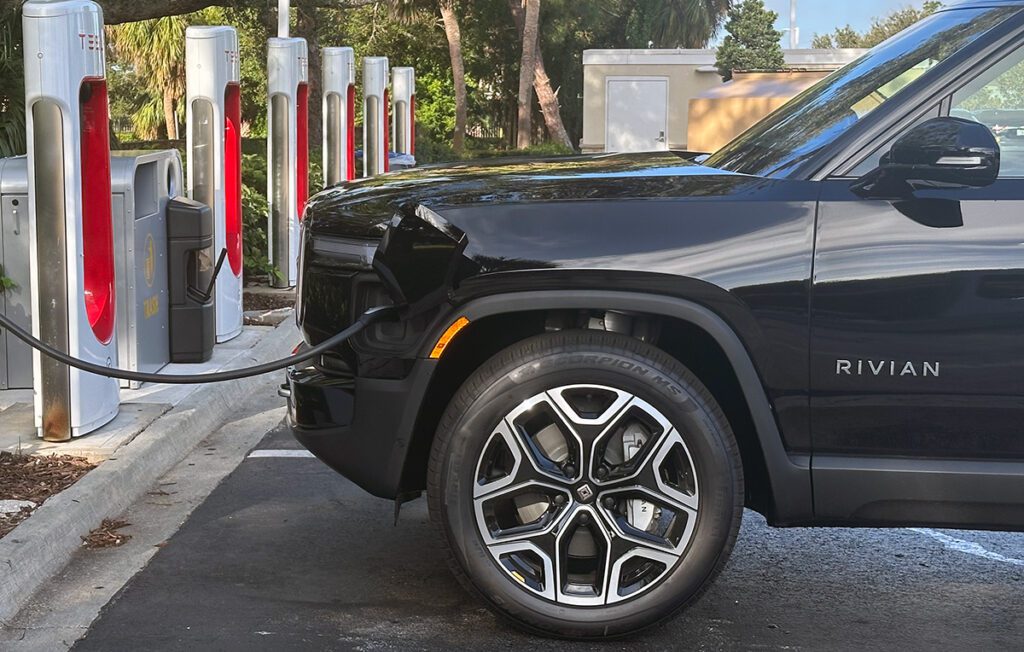
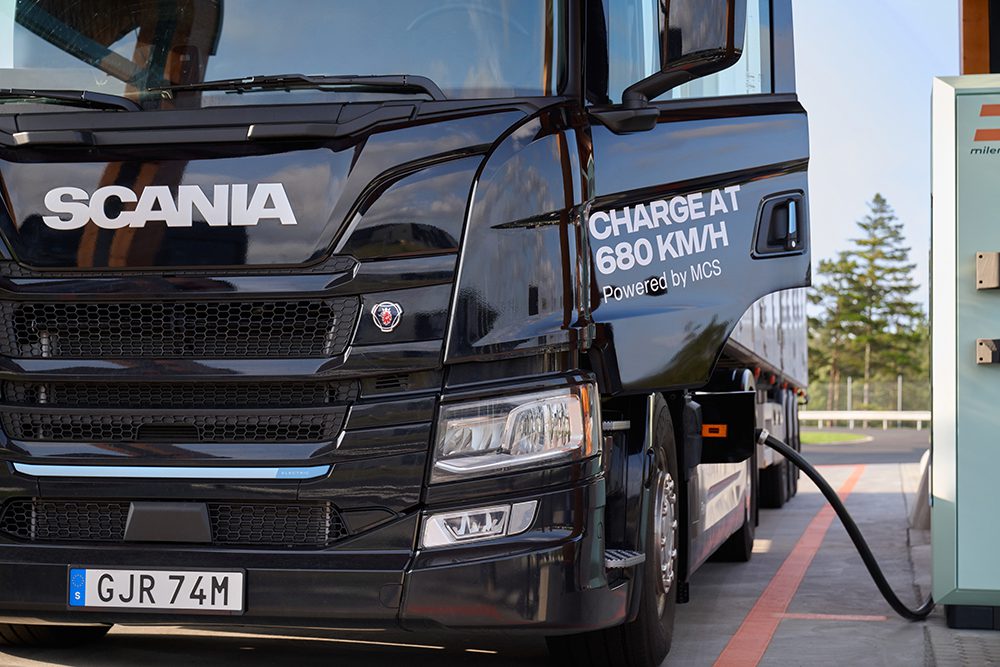
The EV industry is undergoing a fundamental transition in voltage platforms. 800 V systems are rapidly becoming mainstream, and development is already pushing toward 1000 V+ architectures to enable megawatt-level charging. Charging infrastructure is evolving accordingly, with high-power systems targeting hundreds of kilometers of range in minutes.
However, increasing charging speed is not just a power challenge—it is a validation challenge too.
A New Engineering Concern: Validation Anxiety
As charging capability accelerates, engineers must ensure that systems can keep up—not only in performance, but also in safety, durability, and compliance.
Key questions include:
- How do batteries behave after hundreds of aggressive fast-charge cycles?
- Can high-voltage components operate reliably above 1000 V?
- How can real-world grid conditions be accurately reproduced in a lab environment?
This widening gap between capability and validation is increasingly recognized as “validation anxiety.”
Testing Challenges in the Megawatt Era
Charger Validation
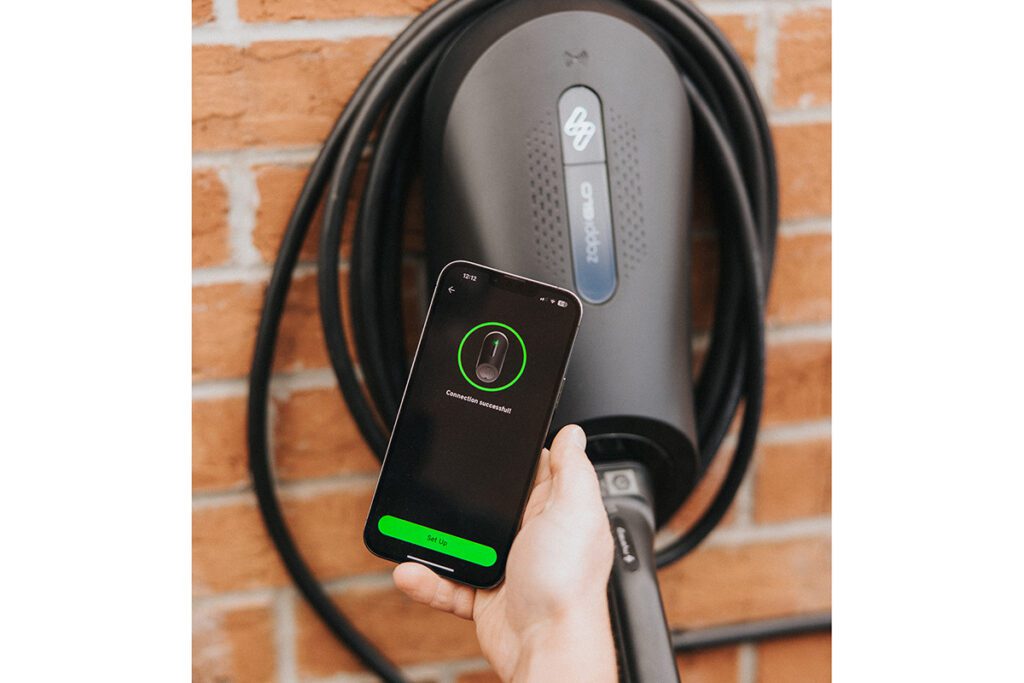
Modern fast chargers are evolving into complex energy nodes. With V2G and V2H applications becoming more common, test systems must support bidirectional energy flow and four-quadrant operation.
Engineers often use grid simulator such as the ITECH IT7900EP combined with bidirectional DC power supply like the IT6600C to reproduce real-world grid behavior and emulate vehicle-side conditions.
Battery Validation
Fast charging is defined by repeatability and long-term stability. Engineers use systems like the ITECH IT6600C high-power bidirectional DC power supply together with BSS2000 battery simulation software to enable seamless charge/discharge transitions and early-stage validation.
The IT6600C integrates source and sink functions in a single unit, enabling seamless transitions between charge and discharge for efficient battery cycling. It supports regenerative operation with >94% efficiency, reducing power consumption and thermal load. The modular architecture is scalable up to 10 MW, providing flexibility for future system expansion. With the optional BSS2000 software, users can implement real battery models for charger and motor validation. Built-in redundancy and system-level monitoring ensure stable operation and reduced downtime risk.
Dynamic Load Validation
High-speed DC electronic loads such as the ITECH IT8100A/E series are used to capture transient behavior and simulate rapid load changes at megawatt levels.
The IT8100A/E series high-speed, high-power DC electronic load is designed for dynamic validation of MW-level systems, featuring ultra-high power density of 7.2 kW in a 3U form factor, scalable from 86.4 kW (37U rack) up to 1.8 MW, with a wide voltage range of 60 V to 1200 V and up to 500 kHz voltage/current sampling rate. It extends DC load capability beyond 600 kW, enabling accurate capture of transient behavior in high-power systems while minimizing footprint. With a dynamic current slew rate up to 150 A/μs, it effectively simulates fast-changing battery characteristics. The system supports 1.5× continuous short-term overpower and up to 4× instantaneous overpower, allowing engineers to avoid oversizing for peak power in applications such as protection testing and pulse cycling, thereby reducing overall test cost. In addition, its multi-range voltage/current architecture enables precise loading from mA to kA levels, and combined with high-speed sampling and integrated scope functionality, it allows full-range performance validation of chargers and battery systems without the need for complex external test setups.
Integrated System Validation
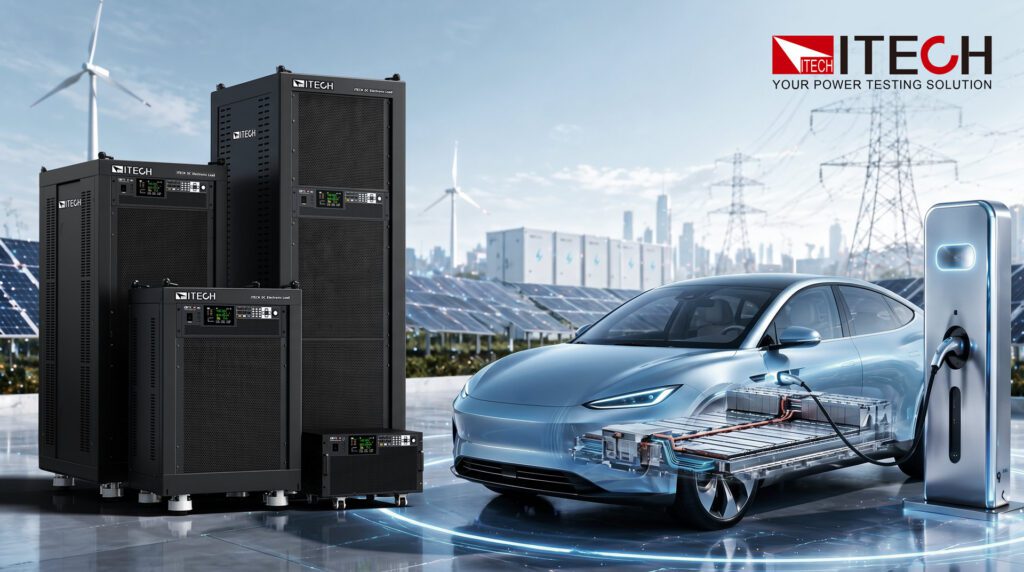
A complete validation setup may combine IT7900EP (grid), IT6600C (battery), and IT8100A/E (load) to test full system interaction.
The IT7900EP series high-performance grid simulator delivers up to 21 kVA in a compact 3U form factor, scalable to over 1 MVA via master-slave parallel operation, with a wide frequency range of 16–2400 Hz, up to 50th harmonic simulation/analysis, and high-voltage models up to 1050 V N-L. It integrates a programmable AC source, four-quadrant grid simulator, and regenerative AC/DC load in one unit, enabling both grid supply and energy absorption with feedback capability. The system supports grid compliance testing, including LVRT/HVRT, phase shift, frequency variation, and harmonic injection, with built-in anti-islanding test functions for applications such as EV chargers and BOBC systems.
Integrated standards (IEC 61000-3-2/3-12, IEC 61000-4-11/4-13/4-14/4-28) simplify EMC testing. In CE mode, it can emulate 14 circuit topologies (e.g., single-phase rectifier RLC, parallel RLC) for complex load simulation, and in power amplifier mode, it supports PHiL (Power Hardware-in-the-Loop) testing.
Conclusion
By 2026, ultra-fast charging has moved beyond simple power scaling to system-level coordination between the vehicle, charger, and grid. This shift requires validation capabilities that conventional test equipment cannot provide. ITECH’s EV test platform—built around the IT6600C, IT7900EP, and IT8100A/E series—combines high power density, bidirectional regeneration, and advanced simulation to address these challenges. It enables accurate validation of real-world operating conditions while providing a scalable path toward MW-level charging and V2G deployment.
For engineers working on next-generation charging systems, the key question is no longer if MW charging will happen, but whether your test infrastructure can support it. ITECH’s solution is designed to be ready when you are.