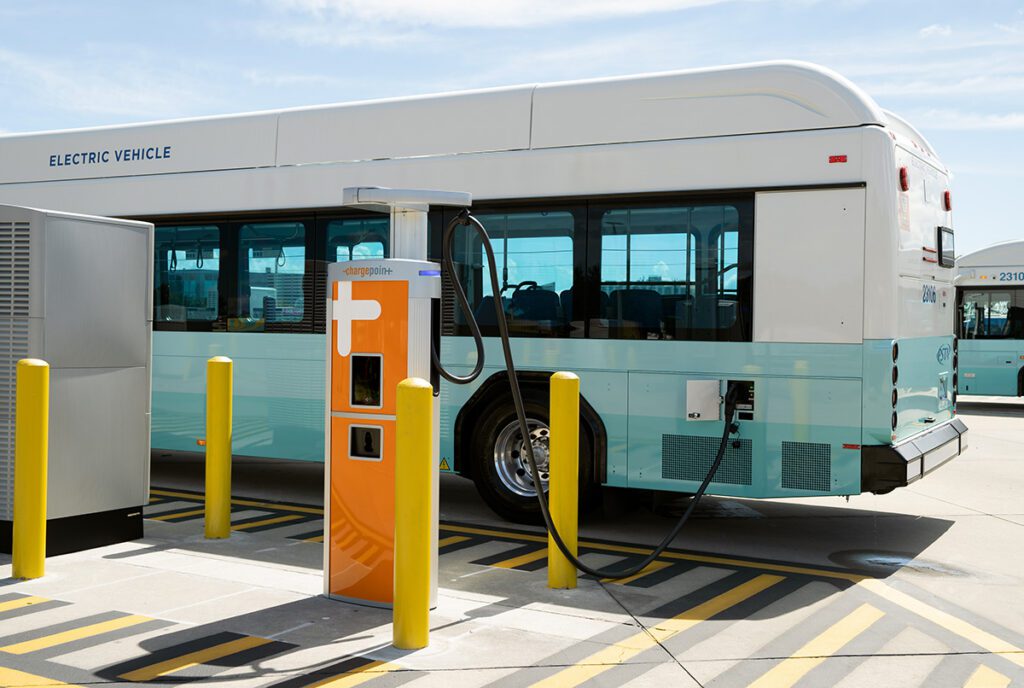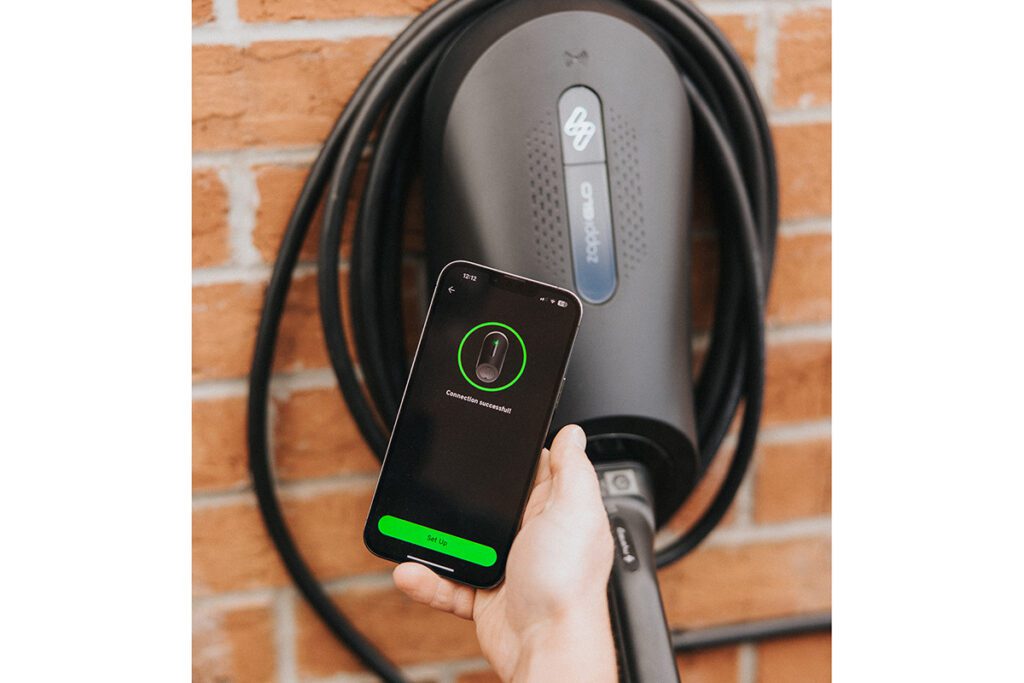




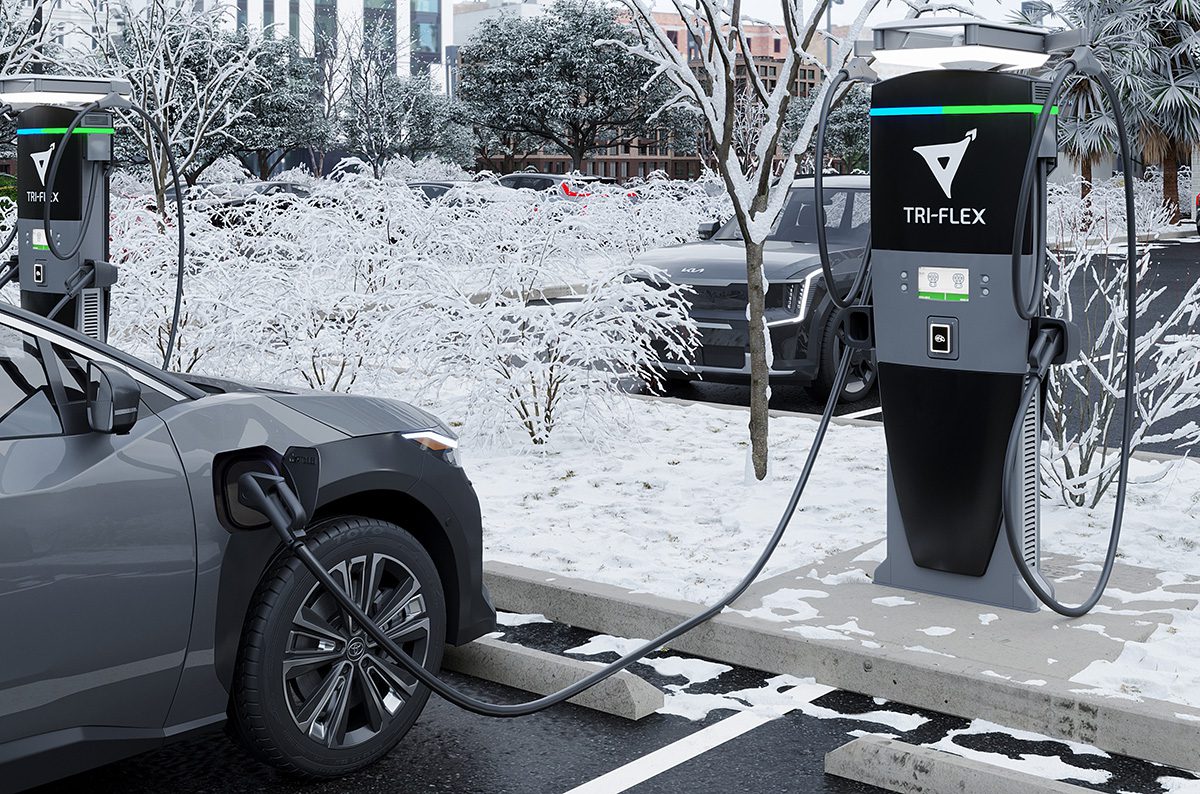
EV charging software firm Pionix will provide its EVerest open-source software stack to DC fast charging hardware manufacturer Tritium. The two companies have been working together for several months, and the first Tritium chargers running the EVerest-based software are on track to be delivered to customers this summer.
EVerest provides a modular software architecture that separates hardware drivers from application logic. Tritium chargers running EVerest will use an extensible codebase that’s designed to make it easy to add new capabilities, integrate new protocols or swap components without systemwide rewrites.
Key charging protocols are already implemented and tested within EVerest:
- OCPP 1.6 and 2.0.1—for standardized communication between chargers and back-end management systems
- ISO 15118-2 and ISO 15118-20—enabling Plug & Charge, smart charging and V2G-ready communication with vehicles
EVerest has already been certified for OCPP compliance through other vendor integrations. For Plug & Charge, EVerest holds pre-certification as a stack through Hubject, allowing Tritium to build on validated interoperability work rather than starting the certification process from scratch.
For Tritium, the move to EVerest reflects a strategic decision to focus internal engineering on hardware development, field reliability and customer-specific integrations while building on an open-source software foundation for charging protocols and interoperability.
“Partnering with Tritium is a huge milestone for Pionix as well as for the open-source project EVerest,” said Marco Möller, CEO of Pionix. “Their commitment to hardware quality combined with our open-source software stack creates a compelling offering for the market.”
“EVerest gives us a flexible, future-ready software foundation—one that’s already proven at scale,” said Jen McClure, CCO of Tritium. “With Pionix’s expertise and the open-source community behind us, we can move faster on the capabilities our customers are asking for, from Plug & Charge to smarter fleet integrations, and spend our engineering energy where Tritium adds value.”
Source: Pionix















 Webinars & Whitepapers










































 EV Tech Explained