

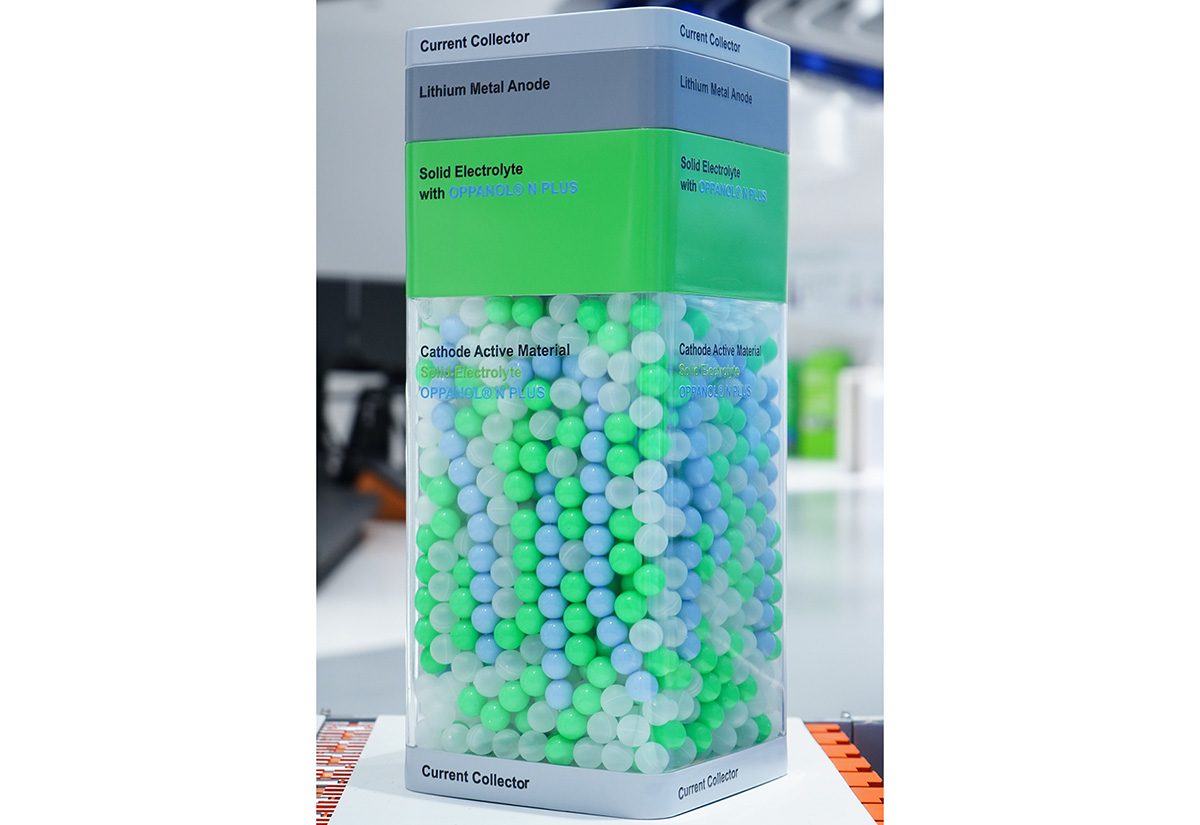
BASF has introduced Oppanol N PLUS, a polyisobutene-based binder engineered for next-generation EV batteries, including solid-state architectures. The product is positioned primarily around tighter manufacturing specifications rather than a new underlying chemistry—the goal is to reduce batch-to-batch variability for battery cell producers running high-throughput production lines.
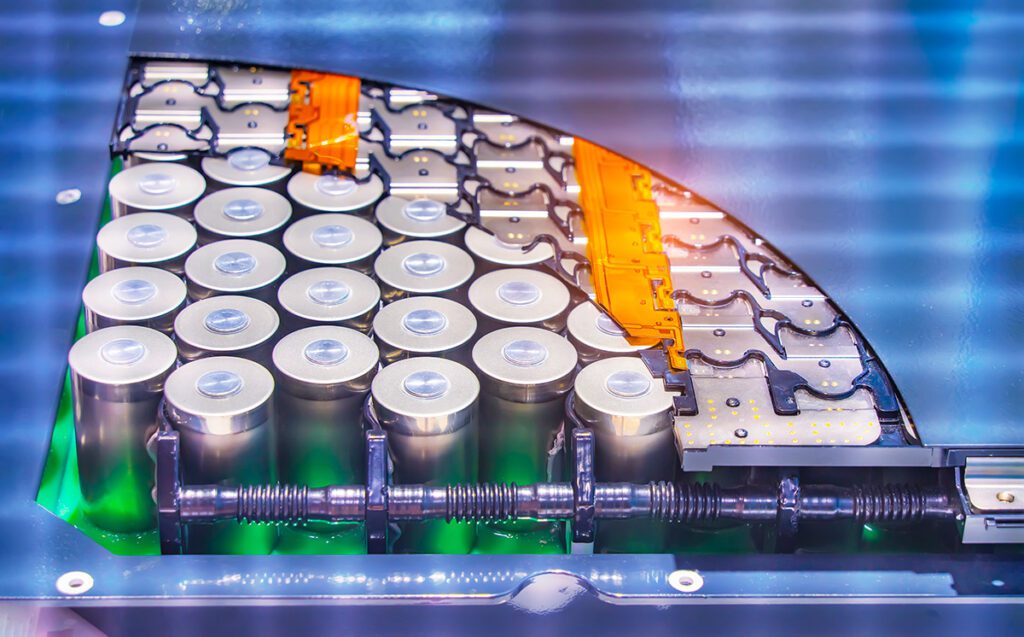
As a binder, the material holds together electrode and electrolyte components while maintaining their separation. Its high elasticity allows it to accommodate the mechanical stress that builds up in electrode layers during repeated charge and discharge cycles—stress that becomes more acute in solid-state batteries where volume changes are less easily absorbed by a liquid electrolyte. Polyisobutene is chemically inert, which prevents unwanted side reactions with the active materials or electrolyte.
BASF says Oppanol N PLUS delivers these properties with significantly narrower product specifications than previous grades, which translates to less need for customers to reformulate when switching production batches, lower QC overhead and more stable process adjustments.
The commercial package includes smaller minimum order sizes, starting at 20 kg and stock-supplied fresh material with flexible delivery—changes aimed at battery startups and development teams that don’t need drum quantities for R&D work.
“With Oppanol N PLUS, BASF combines decades of expertise with the requirements of tomorrow’s e-mobility,” said Madeleine Jordan, Global Business Management, Oppanol at BASF.
Source: BASF

















 EV Engineering Webinars & Whitepapers





 EV Tech Explained