Power2Drive South America is LATAM’s key exhibition and conference for charging infrastructure and e-mobility. Strongly connected to the Latin American market, it showcases innovative charging solutions, battery concepts and business models that are shaping the future of sustainable mobility. It underlines the growing role of electric vehicles in the energy mix and their contribution to more climate-friendly transport systems in the region.
Power2Drive South America is the ideal platform for manufacturers, suppliers, installers, distributors, fleet and energy managers, e-mobility service providers and start-ups to connect, exchange and explore new opportunities. It provides in-depth insight into market trends and technology innovations across Latin America – from urban transport and smart charging to energy self-consumption.
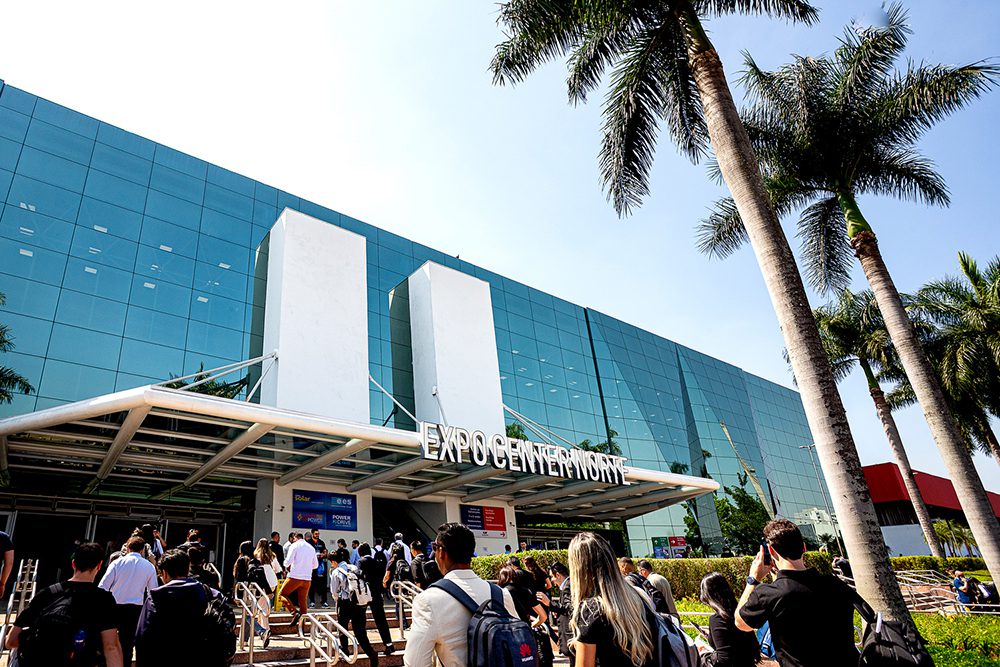
The event will be held from August 25–27, 2026 as part of The smarter E South America, LATAM’s largest alliance of events for the energy industry, at the modern and centrally located Expo Center Norte in São Paulo, Brazil. In parallel, the following exhibitions will be dedicated to sector coupling and a renewable 24/7 energy supply:
- Intersolar South America – LATAM’s Largest Exhibition and Conference for the Solar Industry
- ees South America – LATAM’s Key Event for Batteries and Energy Storage Systems
- Eletrotec+EM-Power South America – The Event for Electrical Infrastructure and Energy Management
With Power2Drive Europe in Munich, Germany and Power2Drive India in Gandhinagar, India, this global exhibition series is represented across three continents.
Power2Drive South America is organized by Solar Promotion International GmbH, Freiburg Management and Marketing International GmbH (FMMI) and Aranda Eventos & Congressos Ltda.
E-Mobility in Brazil – Electrification in a Flex-Fuel Market
Brazil’s e-mobility market is developing under conditions that differ from most other growth regions – and at the same time is setting the pace for e-mobility as Latin Americas biggest car market. The country combines one of the world’s cleanest electricity systems, which gives electric mobility a particularly strong decarbonization advantage, with a long-established ethanol and flex-fuel ecosystem. At the same time, Brazil is not following a purely battery electric pathway. Instead, battery electric vehicles, plug-in hybrid electric vehicles and hybrid electric vehicles are expanding alongside existing biofuel-based technologies. This makes Brazil one of the most distinctive transition markets in global e-mobility.
How is the e-mobility market in Brazil developing?
The market for e-vehicle has shown significant growth recently: the Brazilian Electric Vehicle Association reported 223,912 electrified light vehicles sold in 2025, up from 177,358 in 2024. Their share of total domestic light-vehicle sales reached 9 percent, while the overall market for light vehicles grew by only 2.6 percent. This shows that electrified mobility is expanding much faster than the market as a whole.
A key driver behind this growth has been the rising availability of imported vehicles, especially from China. Chinese brands accounted for 85 percent of electric vehicle sales in Brazil in 2024, helping reduce the price gap between battery electric cars and conventional vehicles. At the same time, the government is trying to combine market growth with industrial development. Import tariffs on electric cars were reintroduced in 2024 at 10 percent and are set to rise gradually to 35 percent by mid-2026. In parallel, the Green Mobility and Innovation Program MOVER is designed to strengthen local production, innovation and investment in cleaner vehicle technologies.
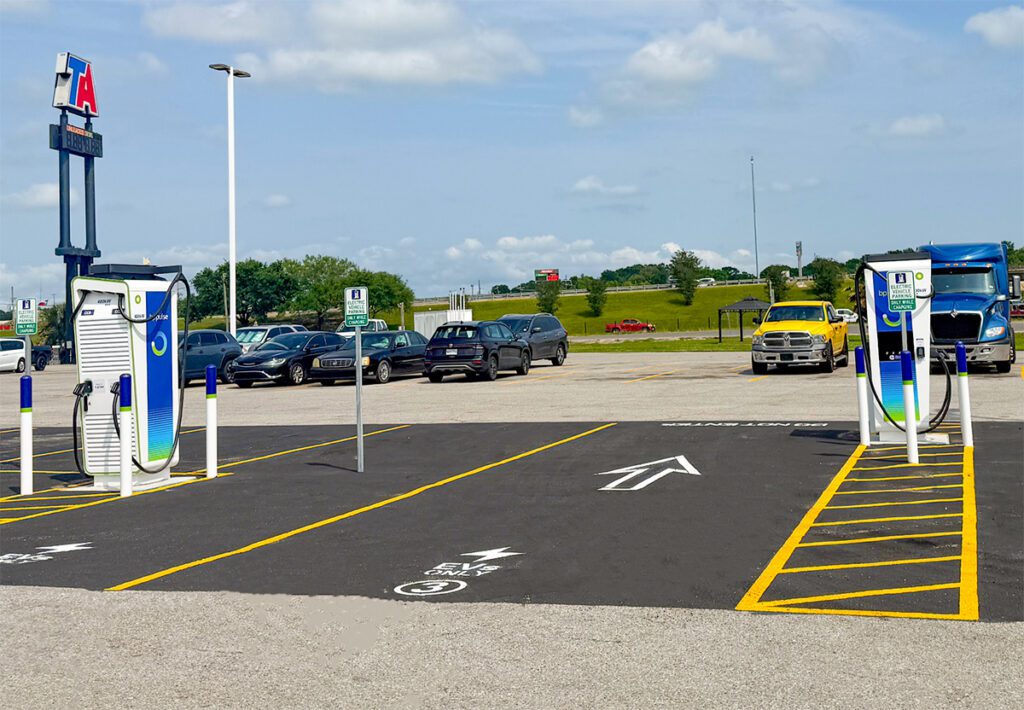
Charging infrastructure is also expanding, but it remains unevenly distributed and heavily concentrated in economically stronger regions, especially São Paulo, where 30 percent of all charging infrastructure is located, according to Brazilian Energy Research Authority EPE. Brazilian E-mobility Association ABVE states that by February 2026, Brazil had 21,061 public and semi-public charging points, including 6,479 direct current fast chargers, with the fast-charging segment up 167 percent year on year.
Public transport and fleet electrification: a key driver in Brazil
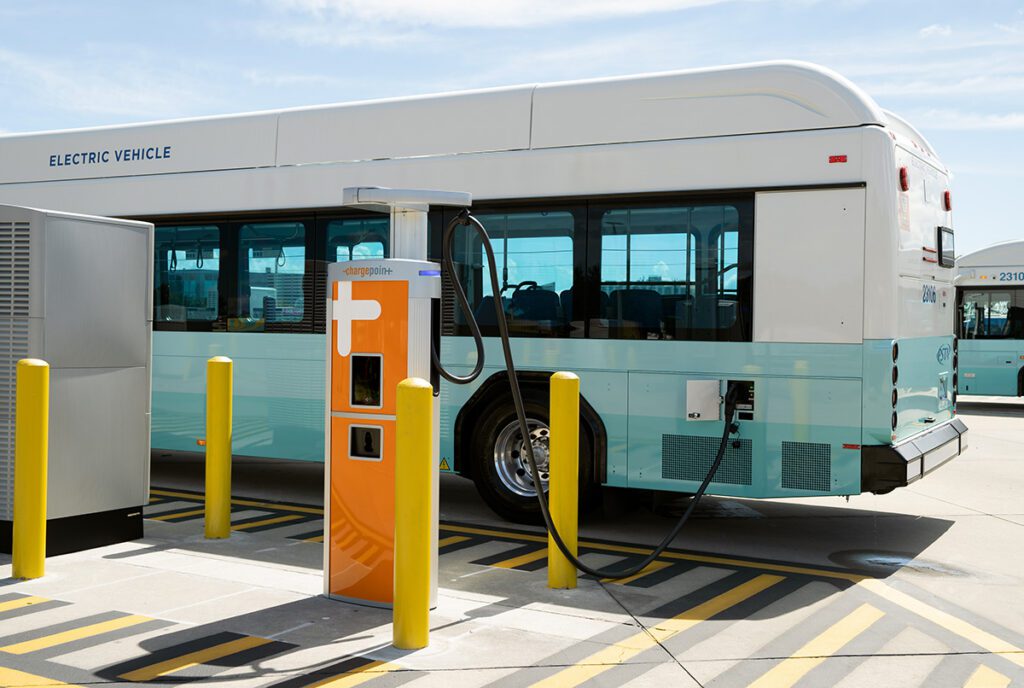
Public transport and fleet applications are among the most promising segments for electrification in Brazil. São Paulo is leading this development in bus electrification and surpassed 1,000 zero-emission buses in its municipal fleet in 2025, reaching 1,009 vehicles. In addition, the federal government has earmarked significant funding for fleet renewal through the New Growth Acceleration Program Novo PAC.
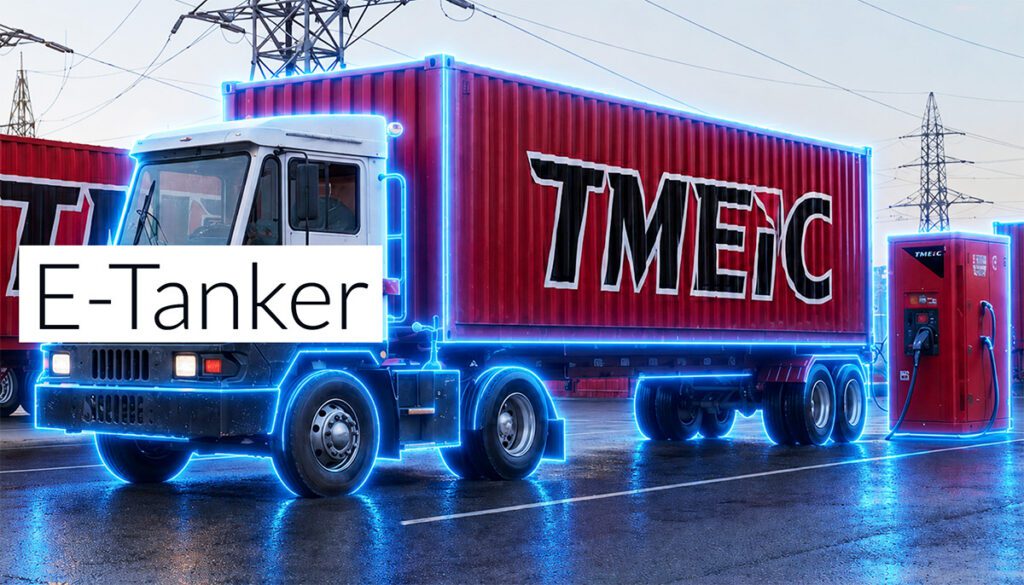
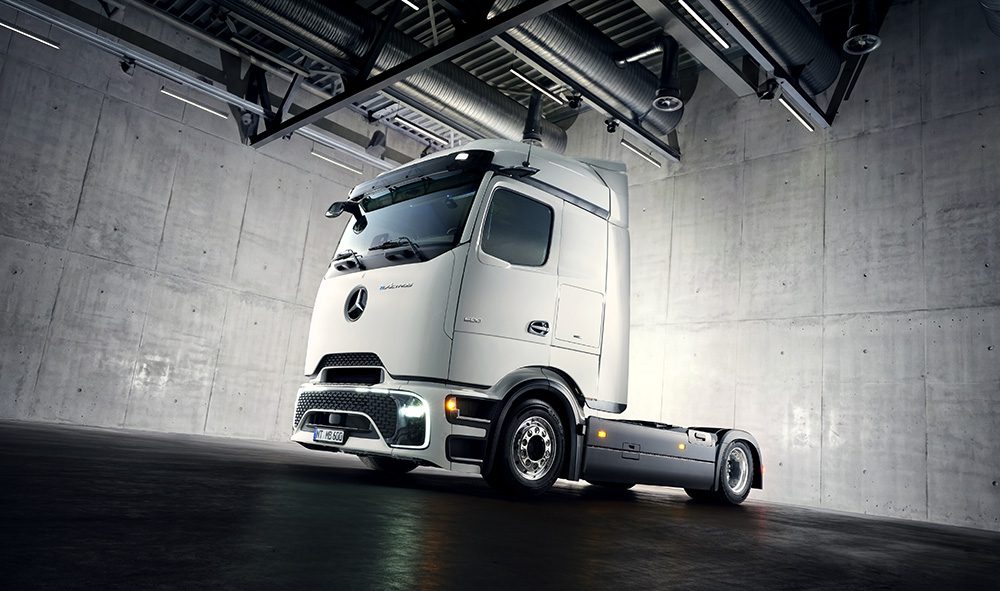
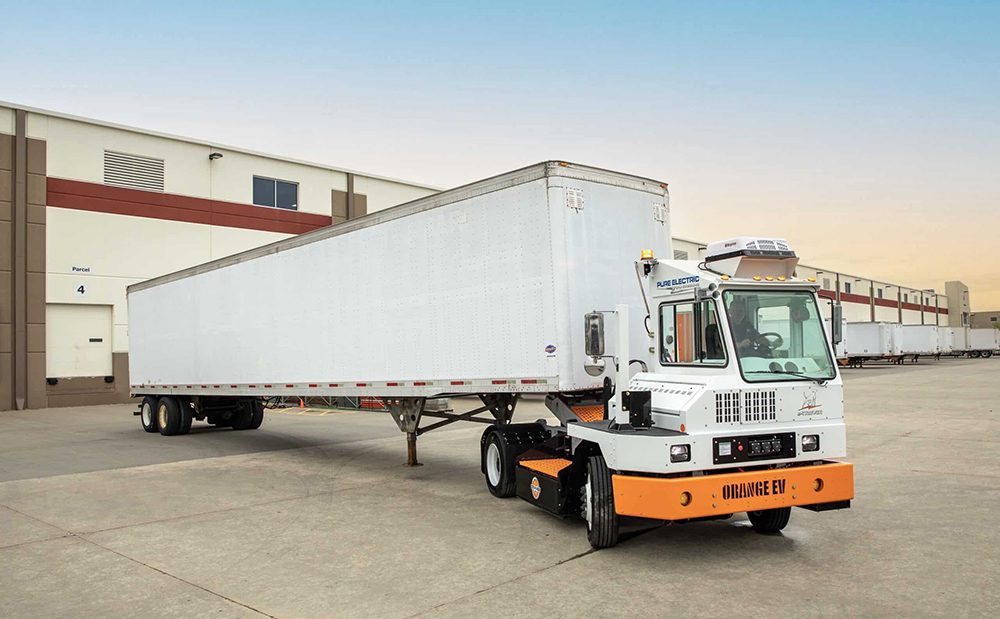
In freight transport, electrification is progressing more cautiously. The International Council on Clean Transportation reports 480 electric truck sales in Brazil in 2024, with most concentrated in light and medium-duty segments. This suggests that urban logistics and regional delivery are currently the most viable use cases, while long-haul heavy-duty transport still faces stronger cost and infrastructure barriers.
Potential and challenges
Brazil’s long-term potential for e-mobility is substantial. According to EPE, electricity demand from electric vehicles could rise from 627 gigawatt-hours in 2025 to 7.8 terawatt-hours in 2035.
Overall, Brazil’s market environment is currently shaped by strong growth, Chinese imports, industrial policy, expanding charging networks and the coexistence of battery electric mobility with hybrid and flex-fuel technologies. That combination makes Brazil a market with its own highly specific transition model.


















 EV Engineering Webinars & Whitepapers






 EV Tech Explained