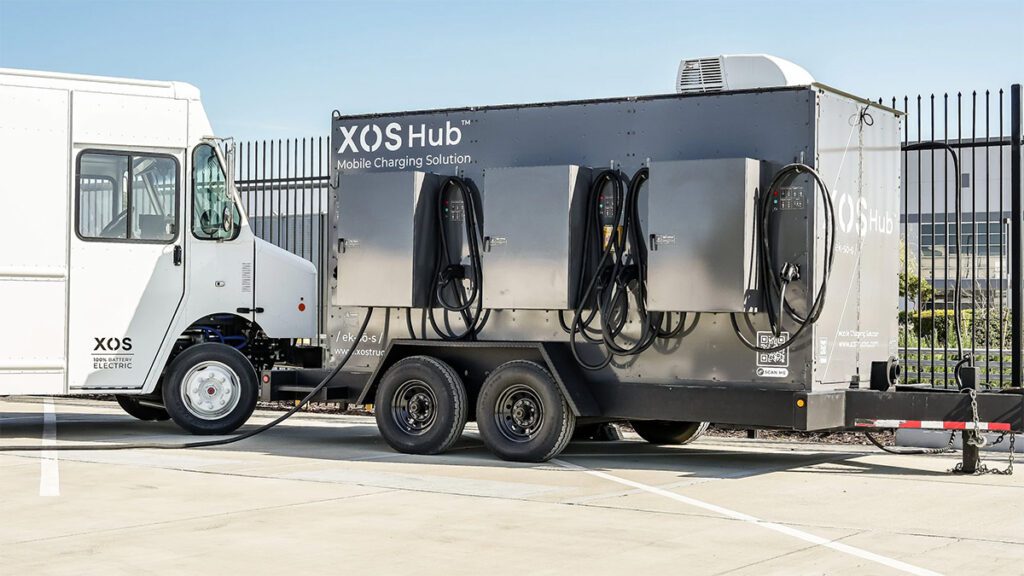






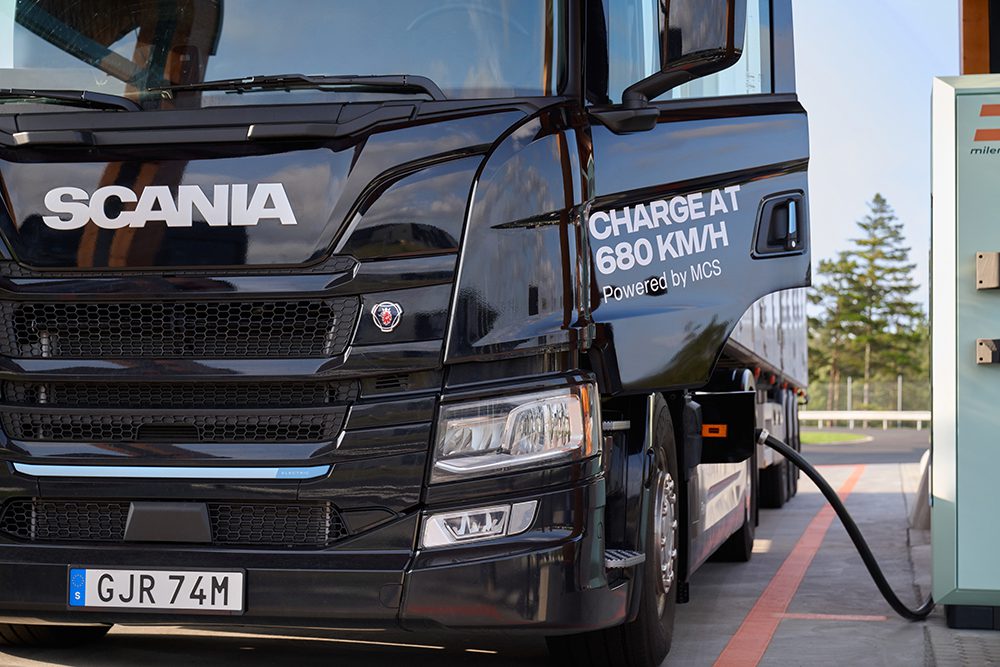
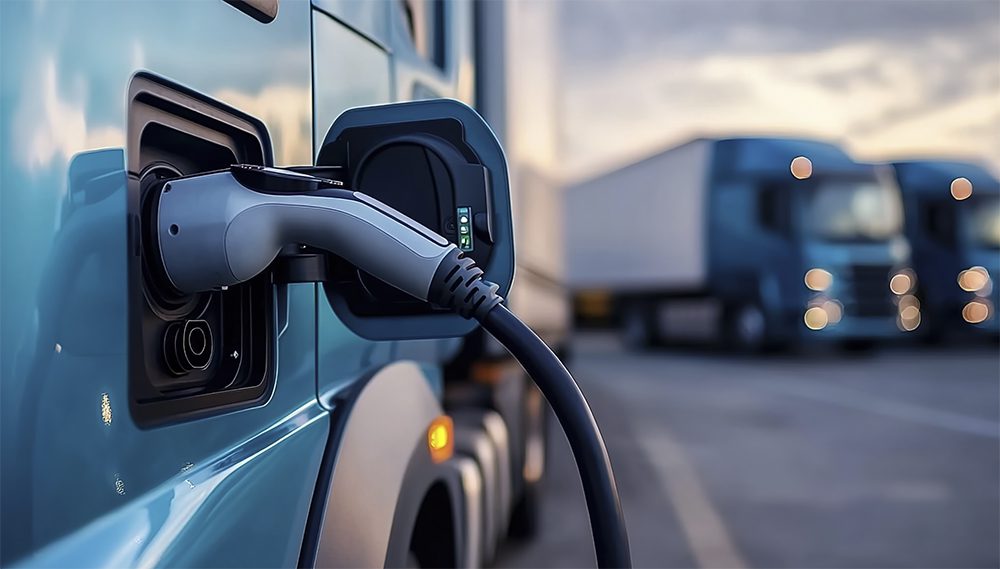
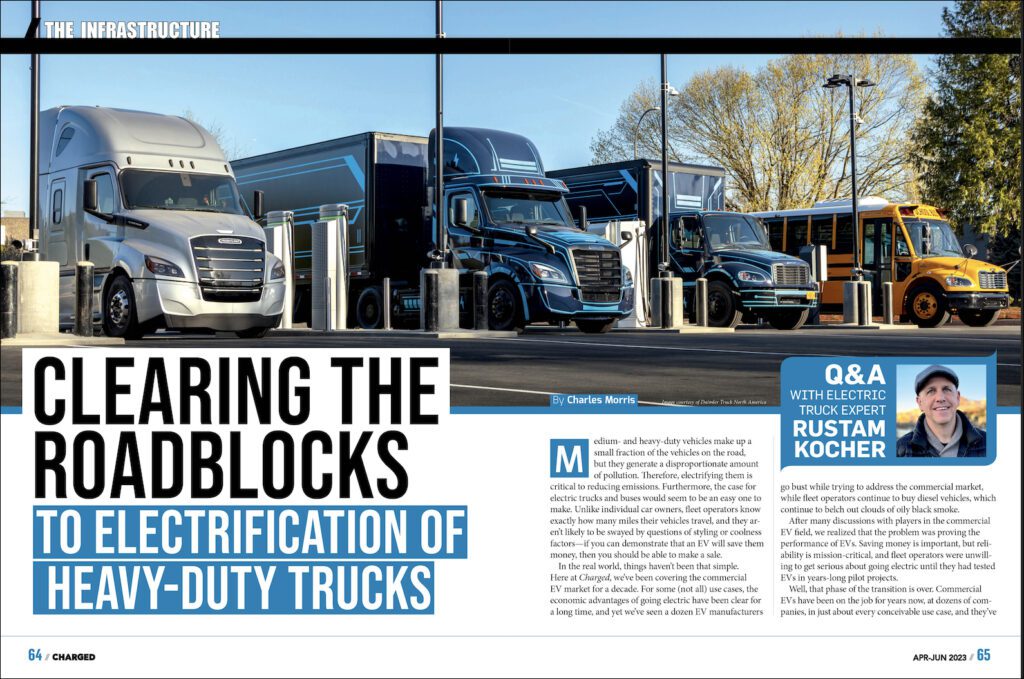
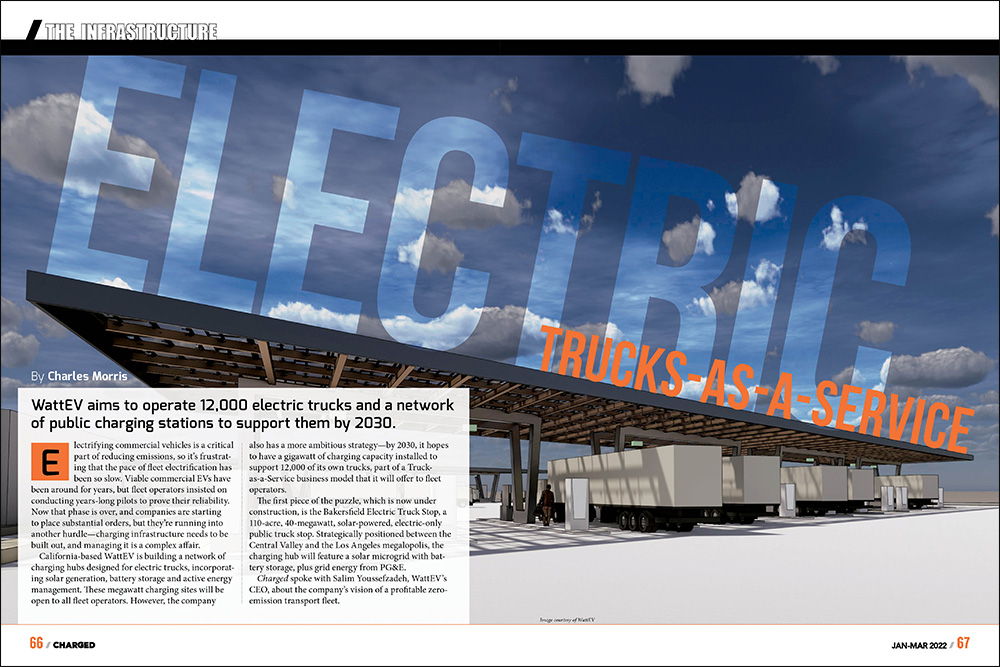
Truck manufacturer Scania has successfully demonstrated a vehicle-to-grid (V2G) implementation for heavy commercial vehicles using the Megawatt Charging System (MCS).
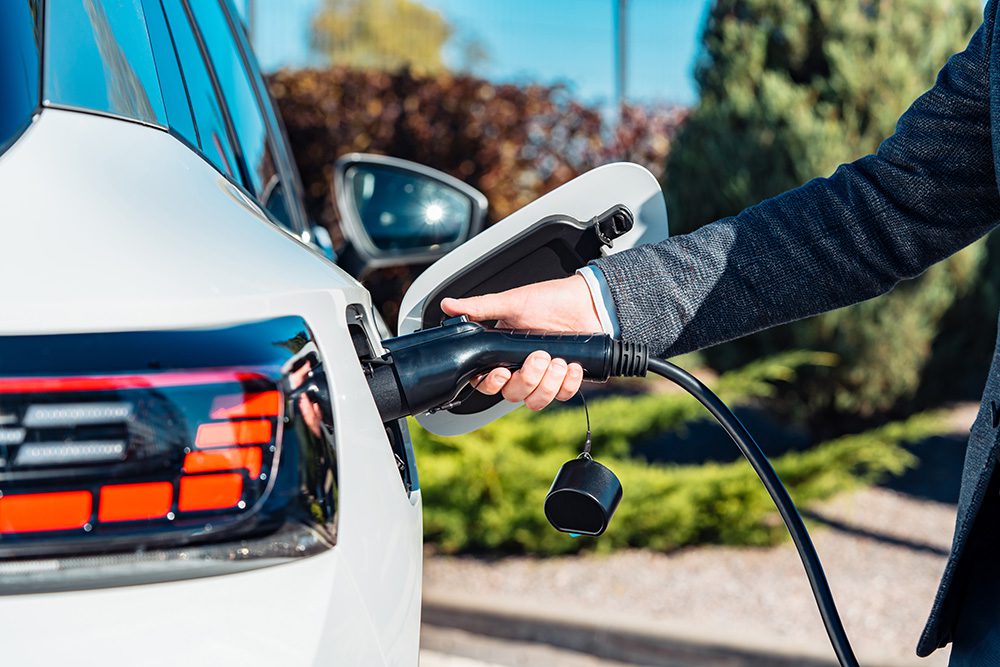
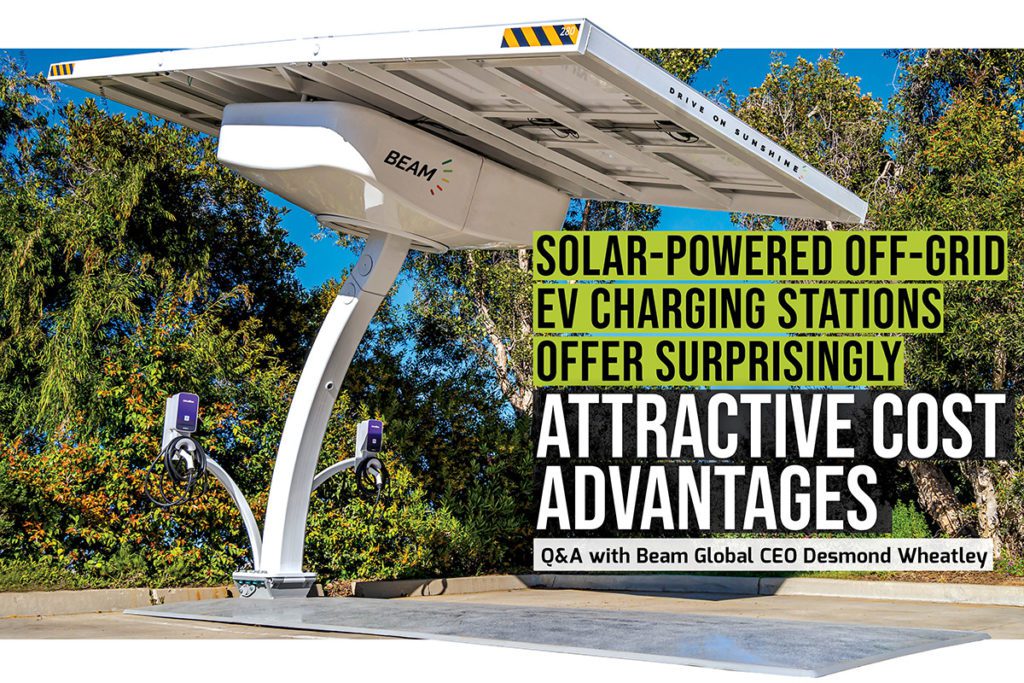
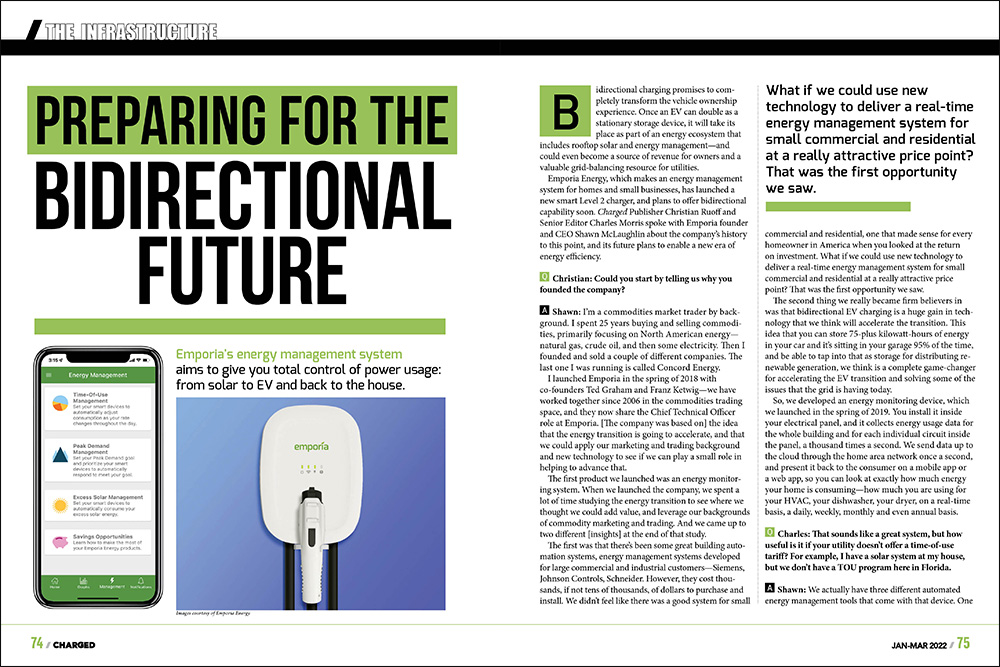
Bidirectional charging enables electric truck fleets to support the power grid by providing flexibility services such as peak shaving, grid balancing and energy storage. Using bidirectional power transfer within depot operations can also improve the utilization of local renewable energy generation such as solar power, while allowing more flexible grid connections and energy management.
Initially, the technology is expected to be most useful in depot charging environments, where vehicles are parked for longer periods and charging can be coordinated with energy demand and grid conditions.
In the demonstration, heavy commercial vehicles were charged at rates of up to 750 kW (1,000 A). Scania’s system enables secure real-time communication between the truck, the charger and energy management systems, allowing charging and discharging to be dynamically controlled based on transport needs and conditions in the power grid.
“Electric trucks will not only consume electricity, they can also become an active resource in the energy system,” said Tobias Ejderhamn, Global Manager of Transformation & New Business at Scania. “This shift transforms the fleet operator’s role from solely providing transport services to also offering energy flexibility.”
“What makes this significant is not only the bidirectional energy flow itself, but the ability to combine megawatt charging with intelligent energy management,” said Yorben Muller, Product Manager of Charging at Scania parent TRATON. “The truck, charger and energy system can communicate with each other in real time, creating the foundation for heavy electric vehicles to become active and controllable assets in the energy system.”
Source: Scania


















 Webinars & Whitepapers












 EV Tech Explained