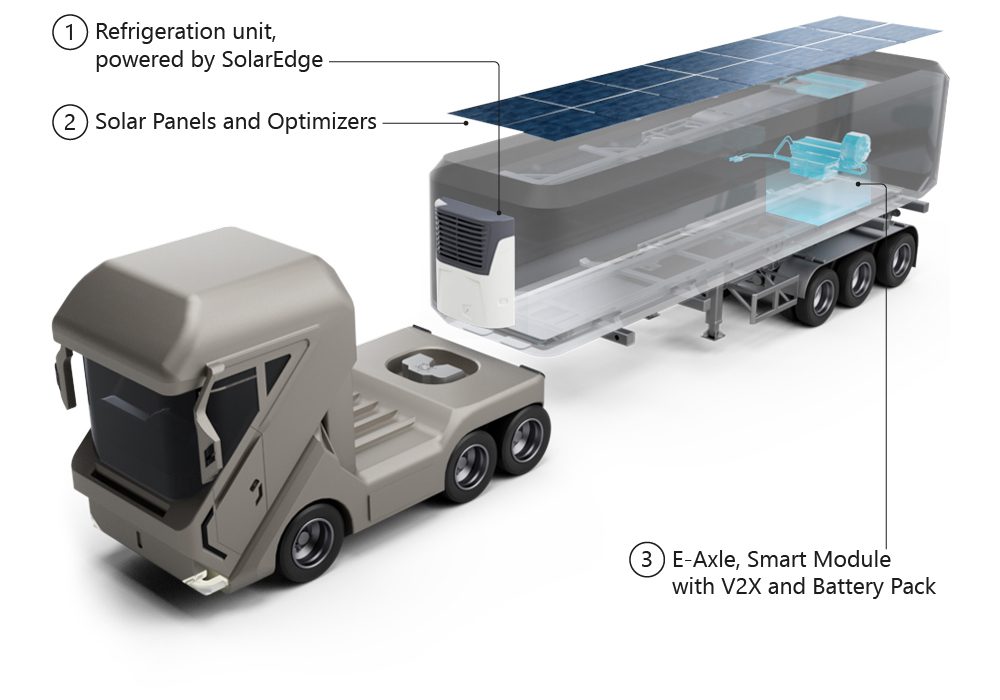







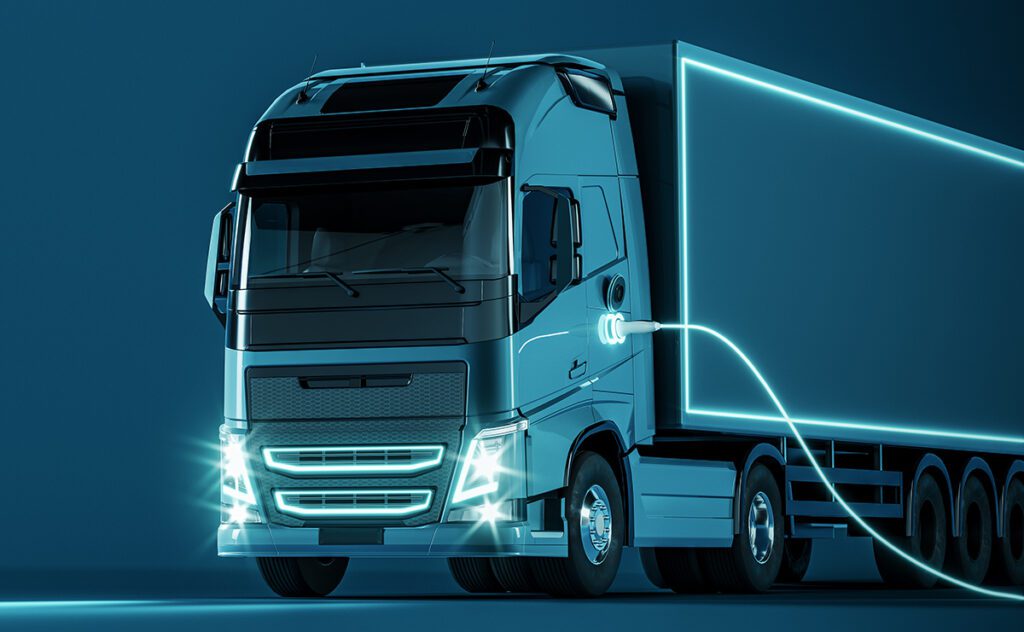
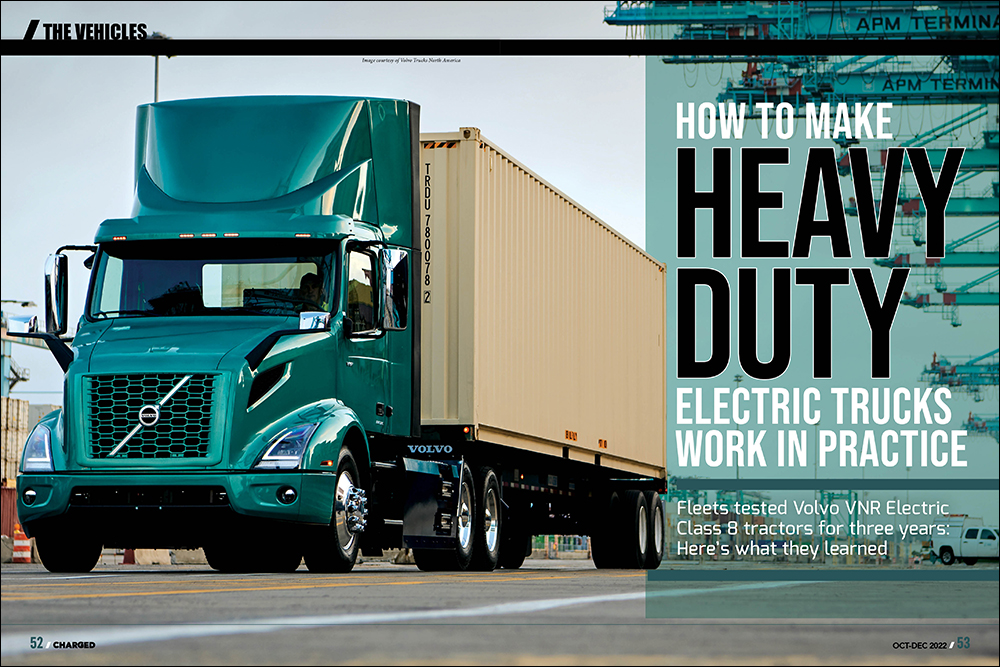
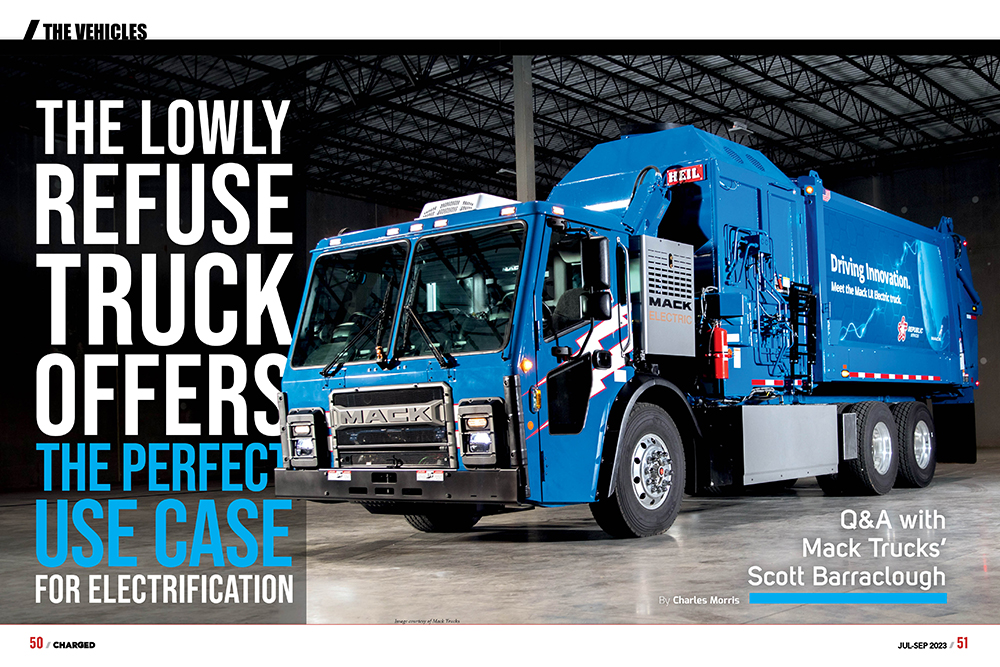
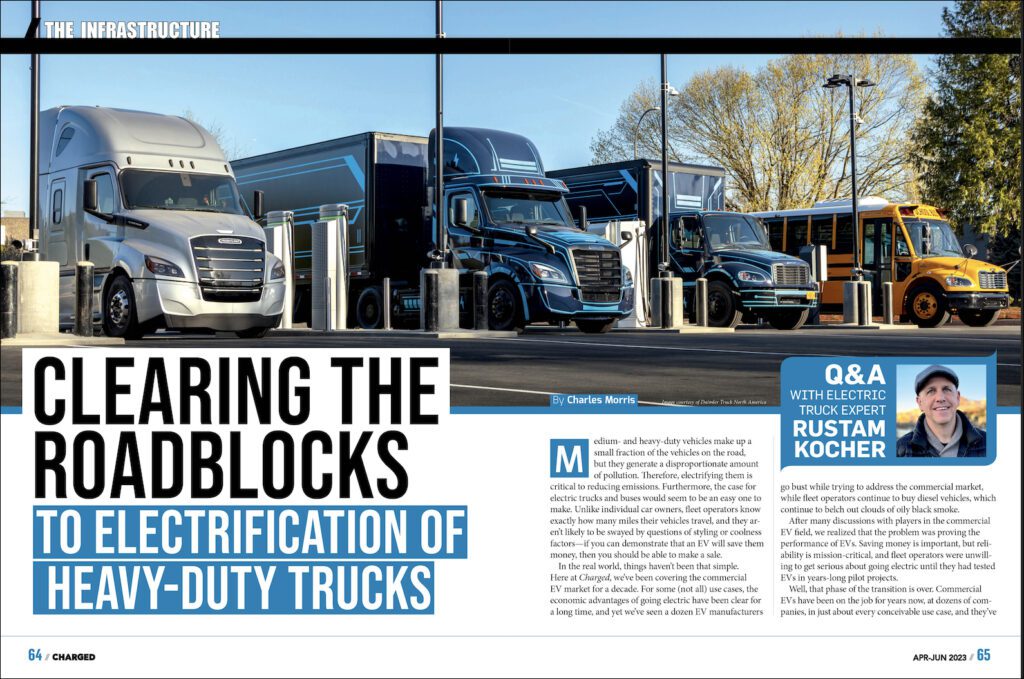
Electric trucks have passed an inflection point—in many cases, their total cost of ownership is lower than that of legacy trucks. But for a fleet operator, evaluating the economic case for electrification involves some complex calculations involving fuel costs, projected maintenance costs, duty cycles, CapEx vs Opex, etc.
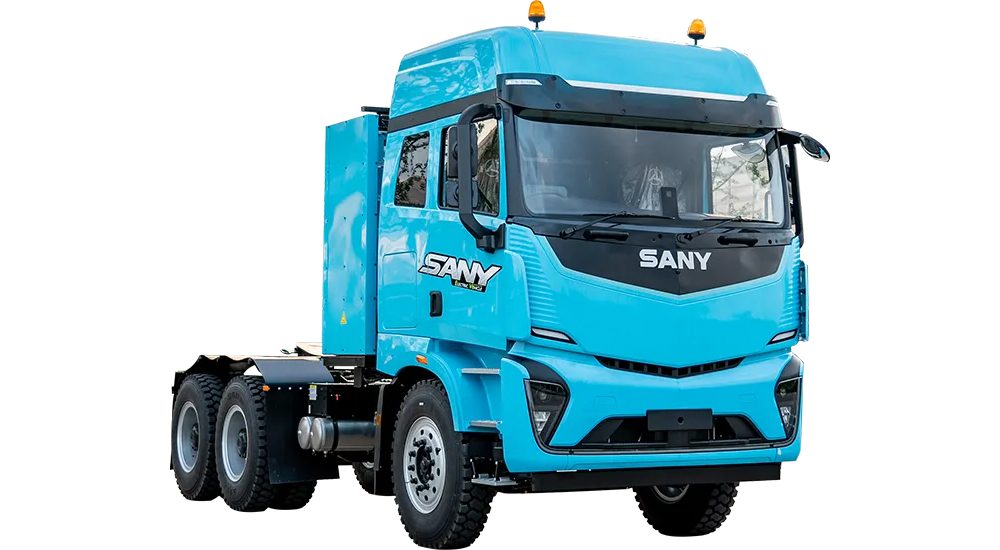
Or does it? Michael Yue, General Manager of the truck business unit at Chinese machinery giant Sany Heavy Industry, offers a simple equation: In any locale where it costs at least ten times as much to buy one liter of diesel as to buy one kilowatt-hour of electricity, an electric truck will pay off its additional purchase cost in 12 to 14 months—a timeframe that makes electrification a no-brainer for truck operators.
Mr. Yue probably knows whereof he speaks—in China, around 11% of heavy long-distance trucks and 20% of smaller commercial vehicles sold over the past year were battery-electric. Sany, facing sagging demand from China’s domestic construction industry, is aggressively seeking overseas sales, and the relationship between local diesel and electricity prices is a major factor in deciding which markets to target.
Bloomberg’s David Fickling has done some further calculations, and reports that countries accounting for about 40% of global diesel demand currently meet that ten-times multiple. Even looking at average 2025 diesel prices, he finds that more than a third of the world’s diesel is burned in countries where it costs at least nine times more than equivalent units of electricity. By 2030, BloombergNEF predicts that the EVs-outcompete-diesel multiple will shrink to four times the cost. If and when that comes to pass, even petrostates such as Saudi Arabia will find battery-electric trucks to be cheaper.
Many of Sany’s potential customers are in Europe, where stringent fuel economy rules are supporting electric truck sales. But looking at the electricity-vs-diesel cost curve explains why the company is also seeing strong interest from operators in South Africa, Vietnam, Indonesia and Thailand.
A trend is becoming clear: the smaller auto and truck markets typically lumped together as “Rest of World” by the media are likely to leapfrog the US and Europe, and electrify much sooner.
Source: Bloomberg



















 Webinars & Whitepapers











 EV Tech Explained