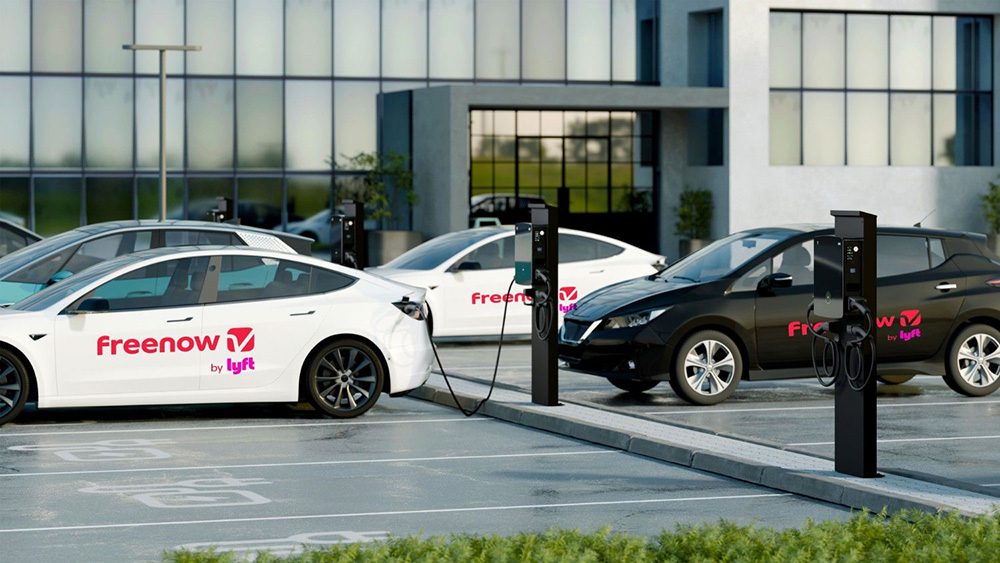


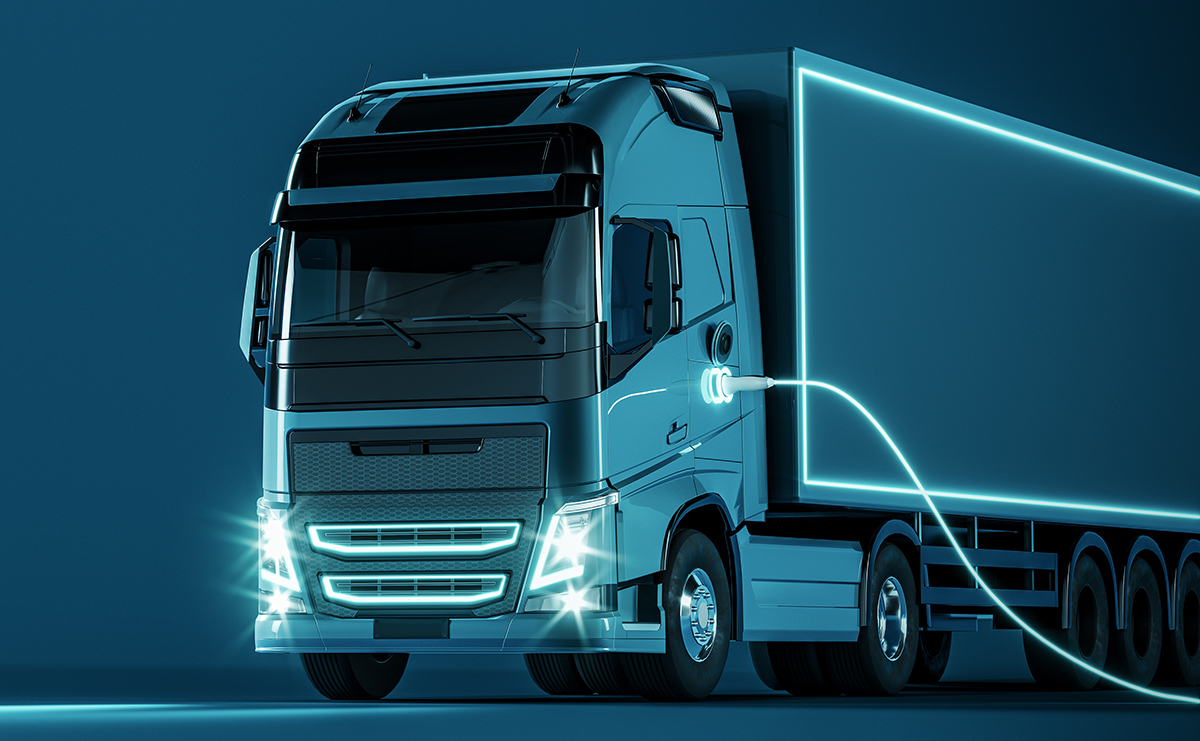
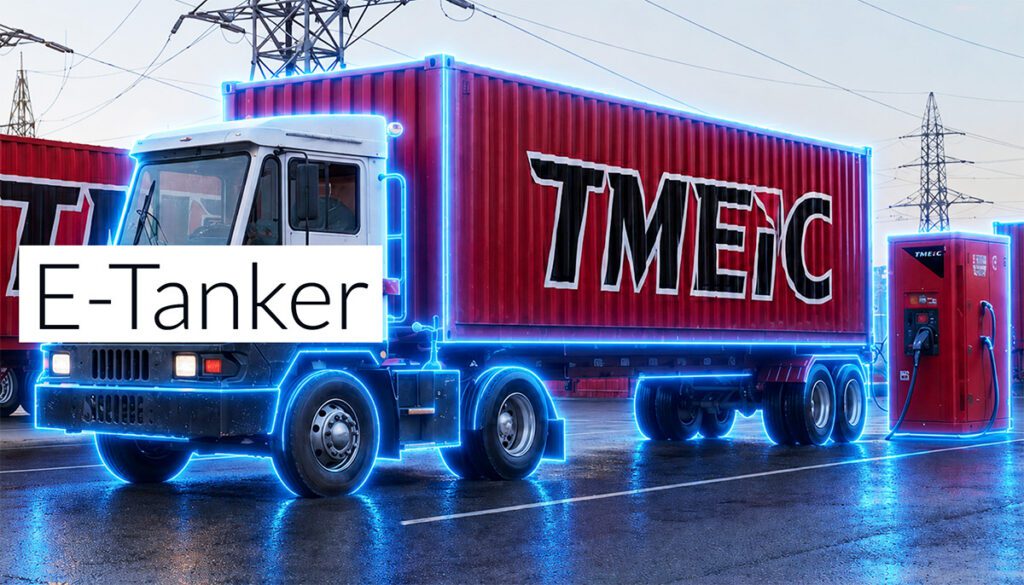
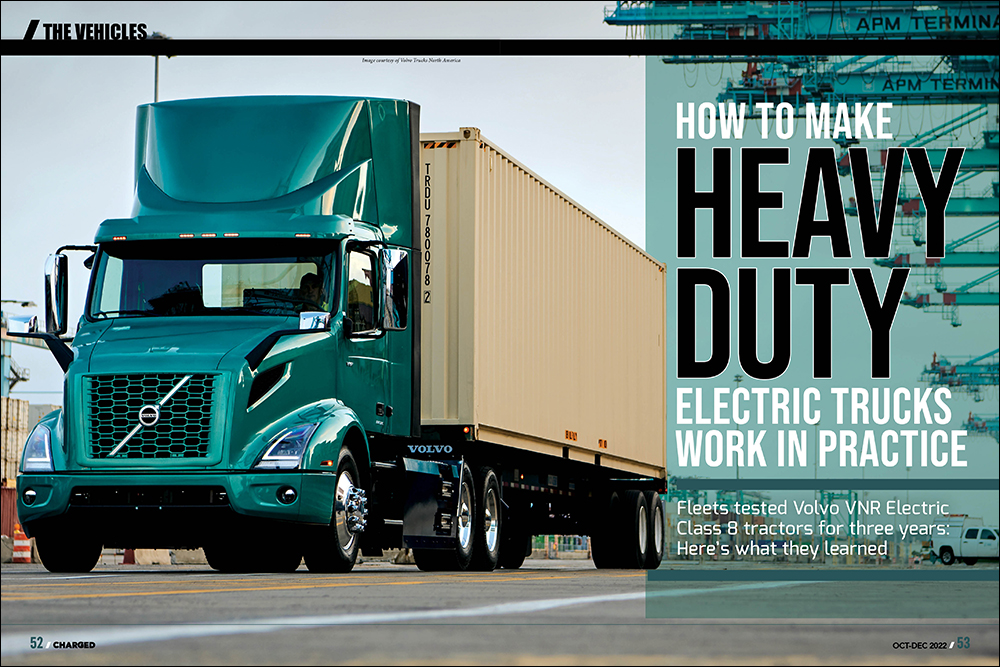
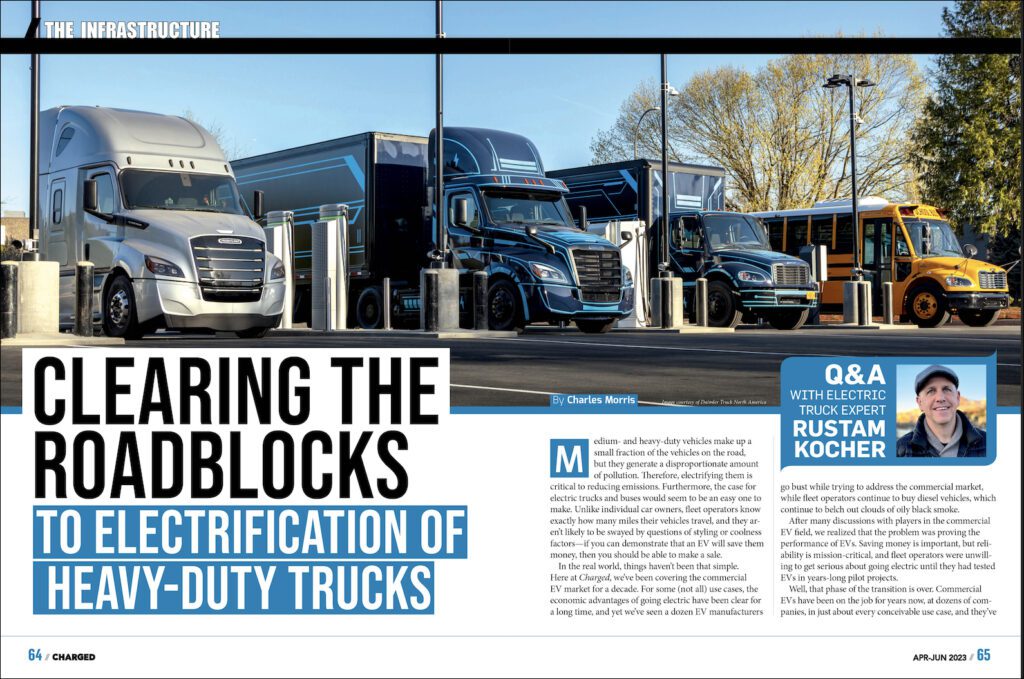
Germany’s Federal Ministry of Transport (BMV) has announced an investment of one billion euros over four years to build charging infrastructure for heavy commercial vehicles. The new funding is available both for fleet operators and public charging providers.
The new funding represents one of the key measures of Germany’s Master Plan for Charging Infrastructure 2030. In addition to the charging infrastructure itself, funding is also available for the necessary grid connections, battery storage and charging load management systems.
“Heavy road freight transport is essential for Germany’s economy, [but] it faces the challenge of becoming climate-friendly,” said Federal Minister of Transport Patrick Schnieder. “With our billion-euro funding program, we are creating the conditions for a rapid expansion of charging infrastructure and facilitating the transition to battery-electric commercial vehicles for freight forwarding and logistics companies. We support companies that want to equip their depots with charging points, as well as investors who establish publicly accessible charging infrastructure for heavy-duty vehicles.”
In the first round, the ministry will make 200 million euros—one-fifth of the total budget— available through three separate funding calls. “Beyond 2026, we will launch further funding calls over the four-year term of the scheme, adapting them to market developments,” said the ministry. “In the competitive selection process, the key criterion will be the amount of funding per kilowatt of installed charging capacity.”
The first three funding calls:
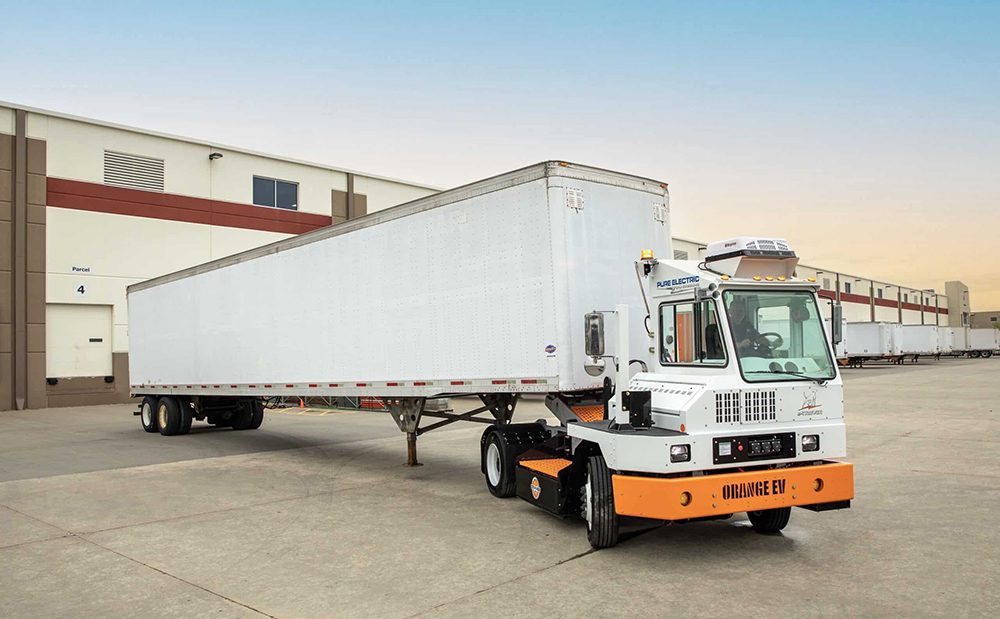
- Non-publicly accessible charging infrastructure for small and medium-sized enterprises. This call focuses on charging points for company-owned vehicles or a restricted user group. Applications can be submitted from 5 June 2026. Approval of the flat-rate funding will be granted in the order of application receipt, with no selection process. Each charging point must have a minimum capacity of 50 kW, and every installed kilowatt will be eligible for 500 euros in net funding.
- Non-publicly accessible charging infrastructure for all enterprises. This call also targets charging points for company-owned vehicles or a restricted user group. Applications can be submitted from 26 May to 7 July 2026. Approval will follow a competitive selection process. Each charging point must have a minimum capacity of 50 kW, and every installed kilowatt will be eligible for 500 euros in net funding.
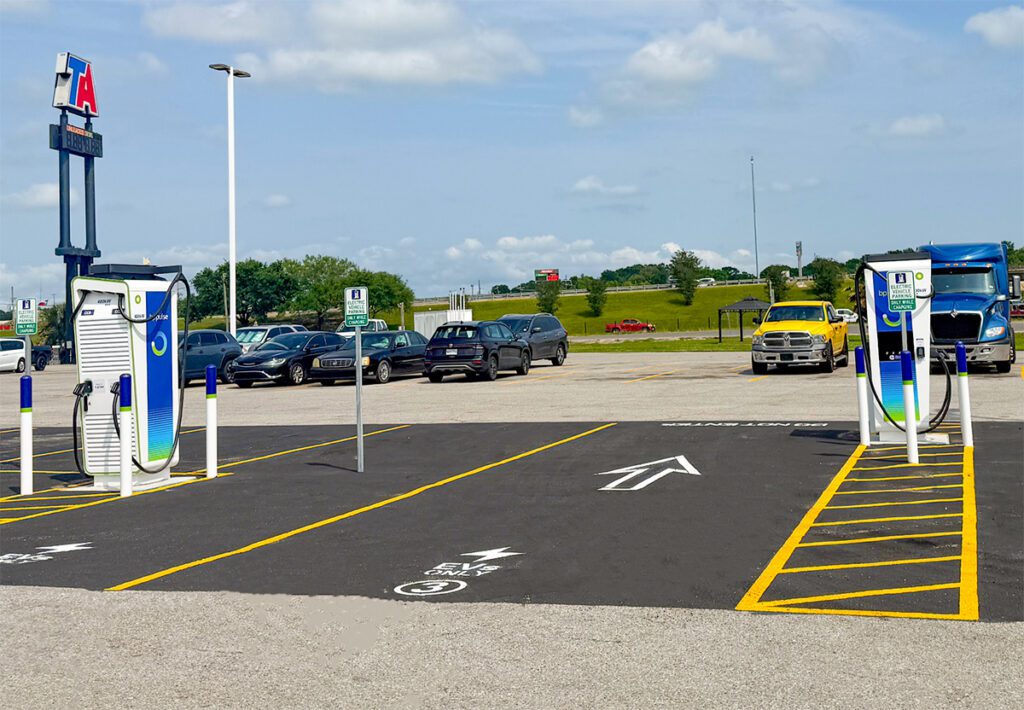
- Publicly accessible charging infrastructure: This call focuses on charging points at rest areas, charging hubs or public transshipment sites. Applications can be submitted from 26 May to 7 July 2026. Approval will follow a competitive selection process. Each charging point must have a minimum capacity of 100 kW, and every installed kilowatt will be eligible for 500 euros in net funding.
Interested parties can participate in a free online event on May 19, 2026, to learn about the funding and ask questions. The online event is organized by the National Center for Charging Infrastructure.
Source: Transport


















 Webinars & Whitepapers
















 EV Tech Explained