

WTH is Toyota thinking? Is it serving up new EVs as the US market collapses? Not at all—its methodical approach validates the EV transition.
When an auto reporter gets pretty much the same question on the same day from two different people—one at a major auto brand, the other a fellow reporter—his attention is naturally piqued. Here’s the question, edited for clarity:
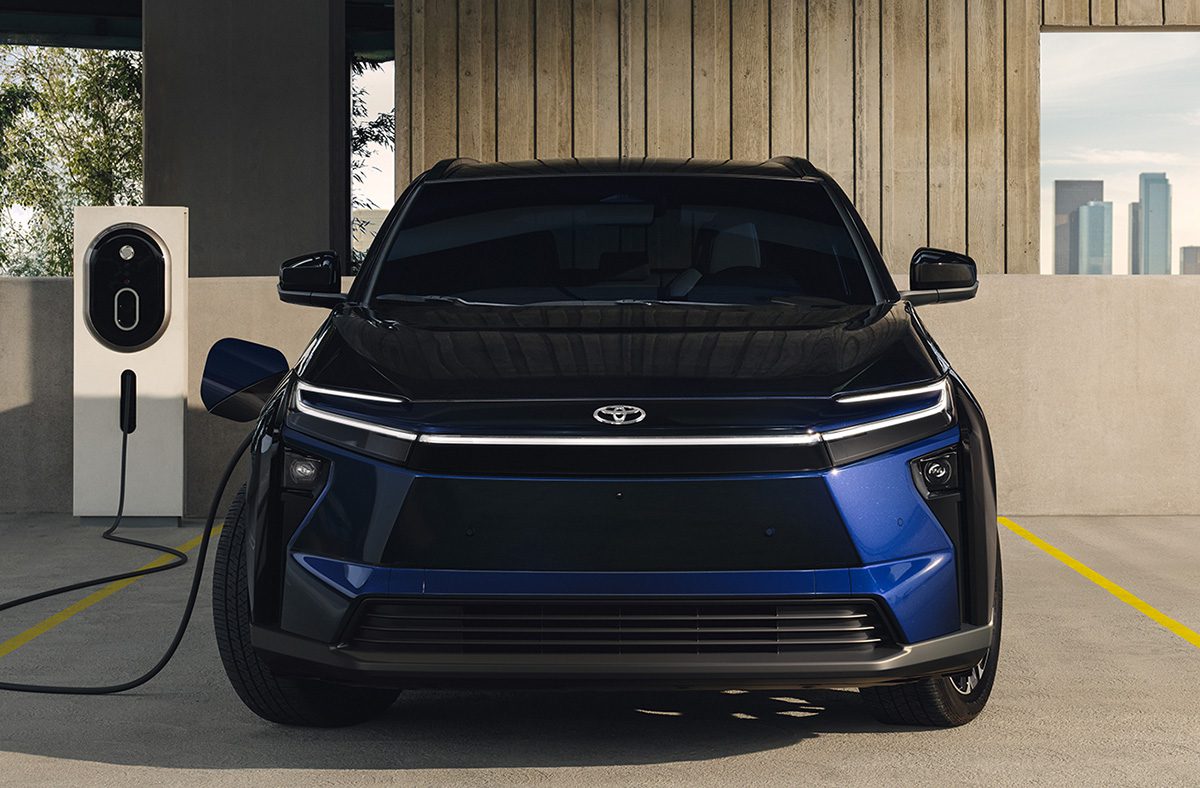
Why is Toyota launching several new EVs now? The bZ, C-HR EV, bZ Woodland, Highlander EV, maybe even more? After all those years of focusing on hybrids, downplaying EVs, repeating that hybrids make more sense…now the Toyota brand plans to sell four new EVs, and two more from Lexus?
Especially after the relaxation of CAFE penalties, the end of zero-emission vehicle (ZEV) mandates, and the elimination of all federal efforts to limit vehicle emissions…why sell EVs if they are not needed, and yield zero or negative profit?
Is there some demand the rest of the industry does not see? Does the new North Carolina battery plant have some cost advantage? Is there some irreversible supplier commitment? Or were the programs simply too far along to be shelved? What could be the real reasons for Toyota launching all these new EVs?
It’s a great set of questions. And it has several answers.
1. Toyota is doing exactly what it said it would do.
Silicon Valley interloper Tesla showed that you could sell EVs in volume if they were compelling, had sufficient range, and were fun to drive. Now every automaker has some variant of that formula. After the years in which the Model S, Model 3 and Model Y became global successes, Toyota decided it would have to compete or be left behind.
Toyota is a large ship that turns slowly—but over more than four years, that’s exactly what it has done.
In December 2021, it announced that it would spend $35 billion to build a range of EVs, from small to large. Toyota is a large ship that turns slowly—but over more than four years, that’s exactly what it has done. So, its four electric models coming to the US—plus two more from Lexus—should hardly be a surprise to anyone who was paying attention.
Only a few of the 30 different battery-electric models it expects to offer globally by 2030 will be seen in North America. Many target developing markets in Asia and Central and South America, where EV demand is growing—but for smaller, lower-cost models that aren’t meant to “federalize,” or comply with North American safety and equipment rules.
Like most carmakers, Toyota often localizes production where it sells the highest volumes of a given vehicle. So, its battery-electric Highlander will be the first EV it builds here, in its huge assembly plant in Georgetown, Kentucky. Its batteries will come from a new cell plant in North Carolina that represents a total investment of $13.9 billion—a lot for any automaker. However, Toyota says the plant can build batteries for conventional hybrids, plug-in hybrids and battery-electric vehicles—hedging its bets, but also extracting maximum value from its capital.
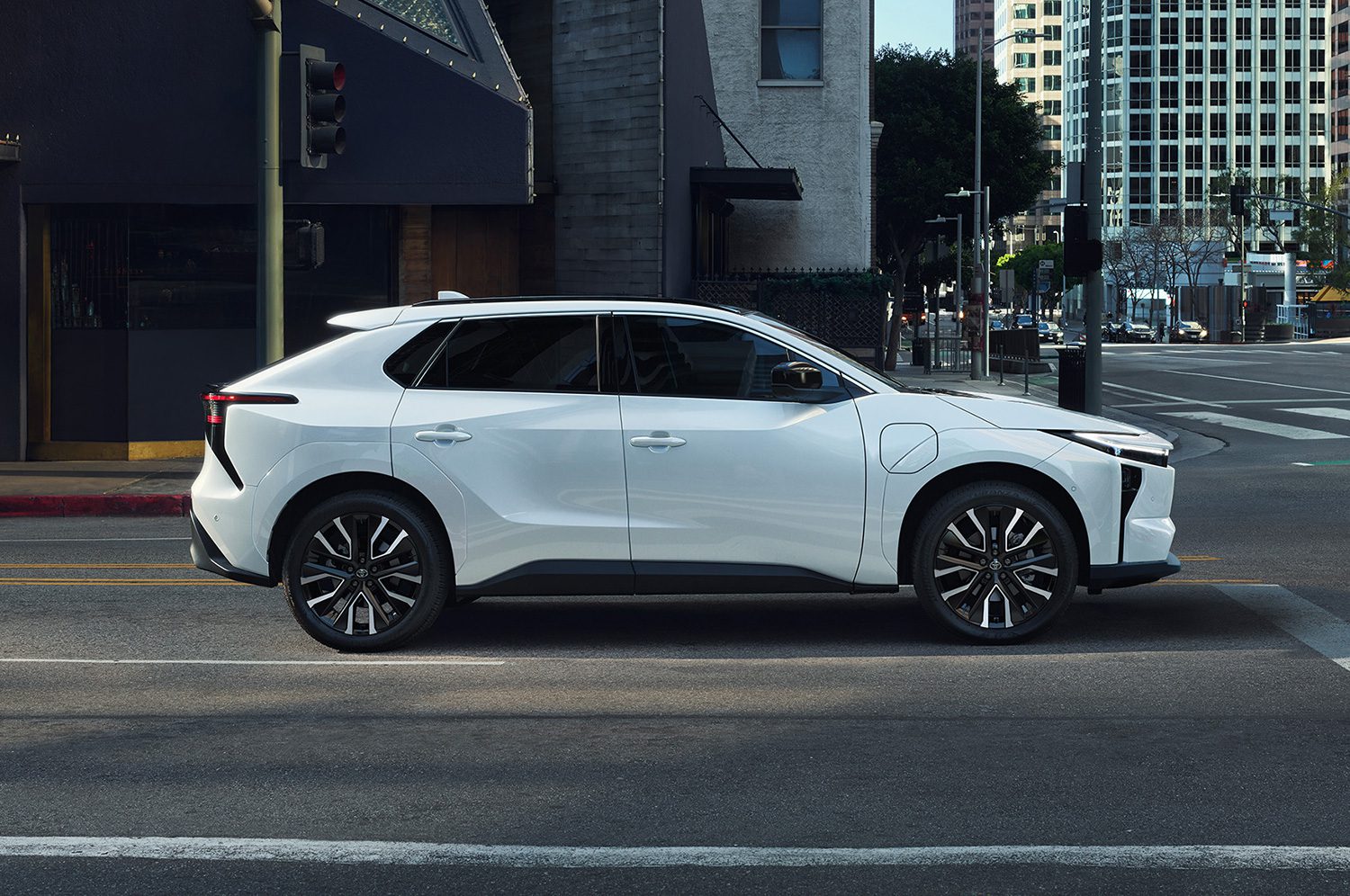
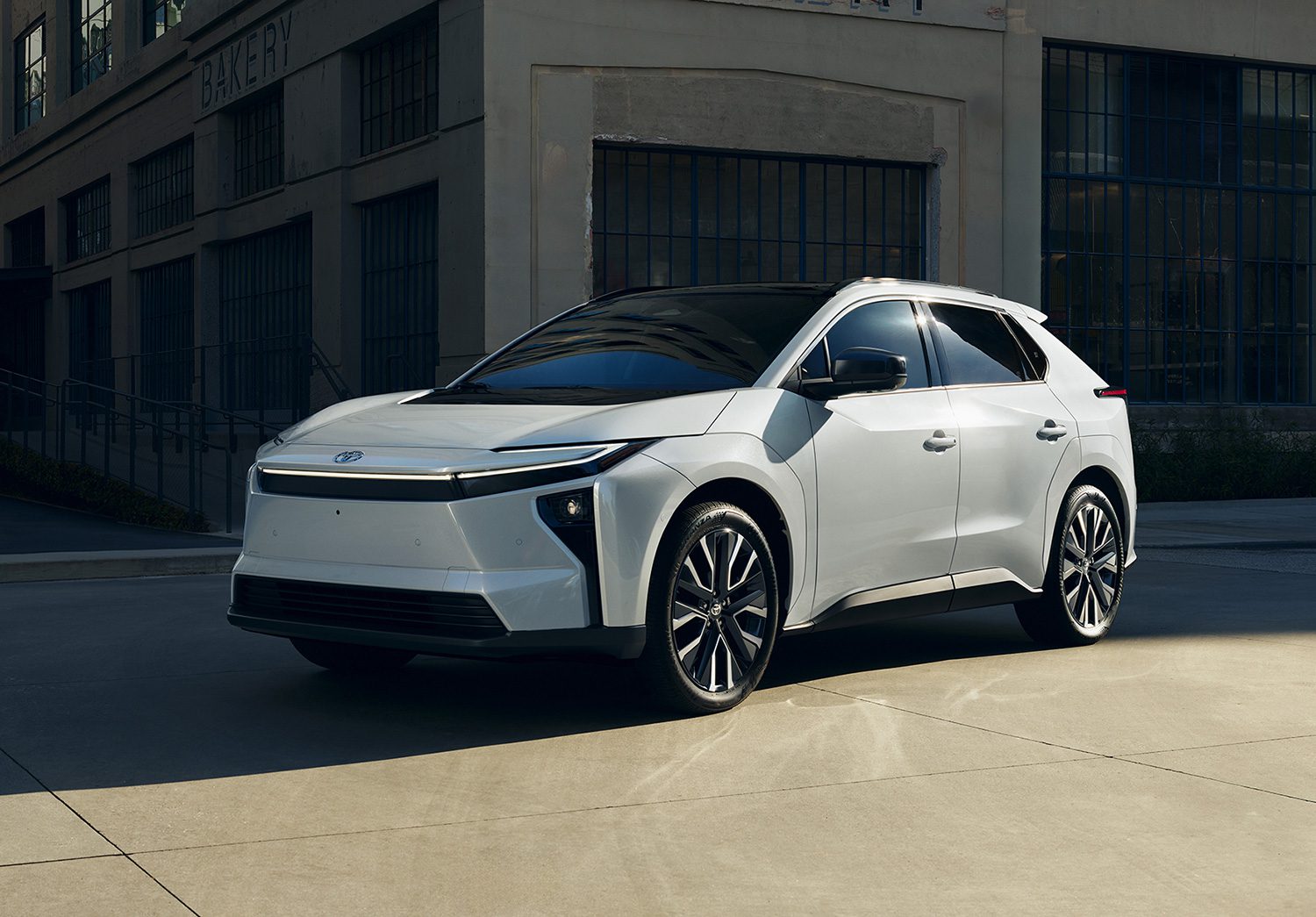
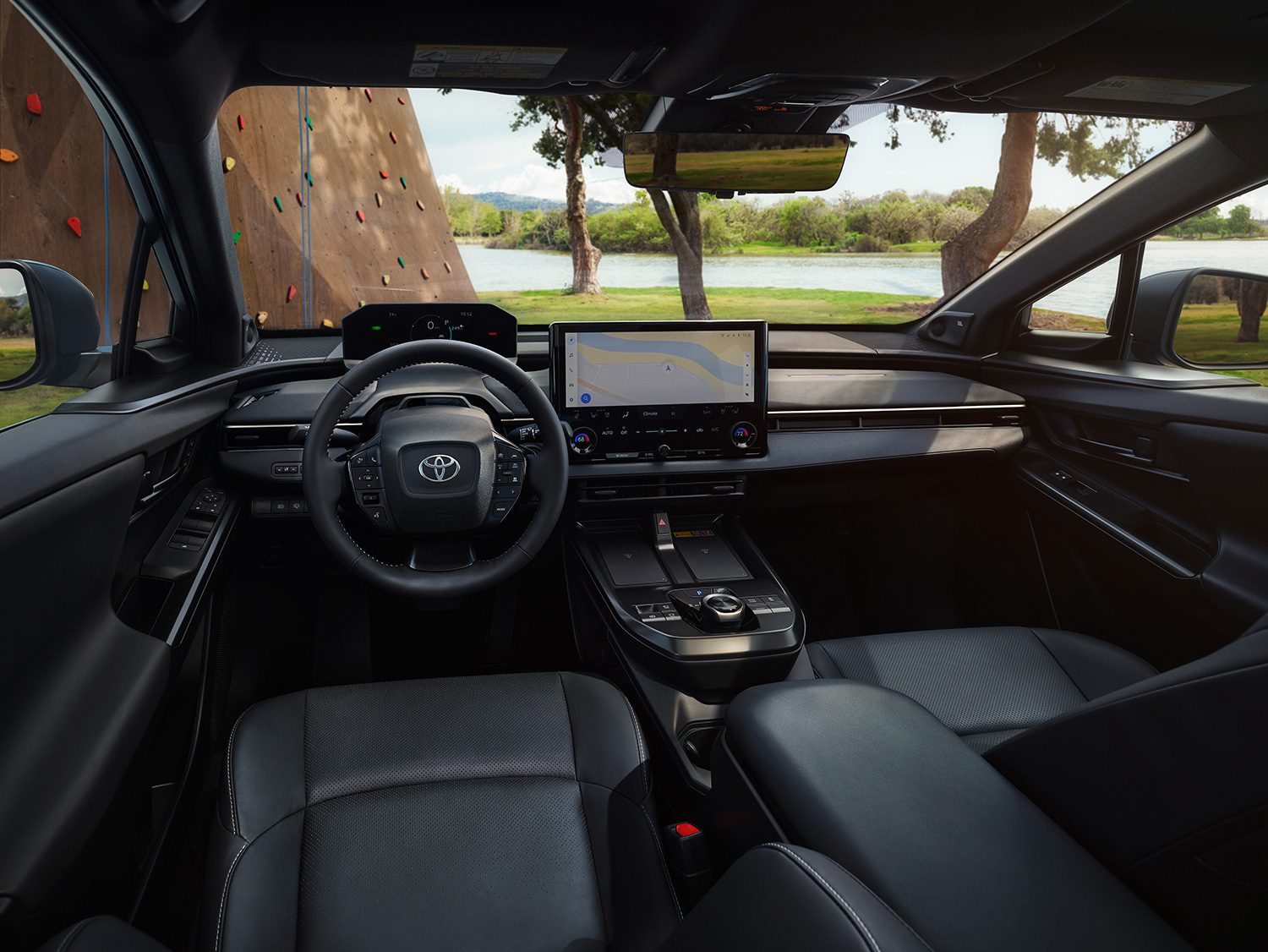
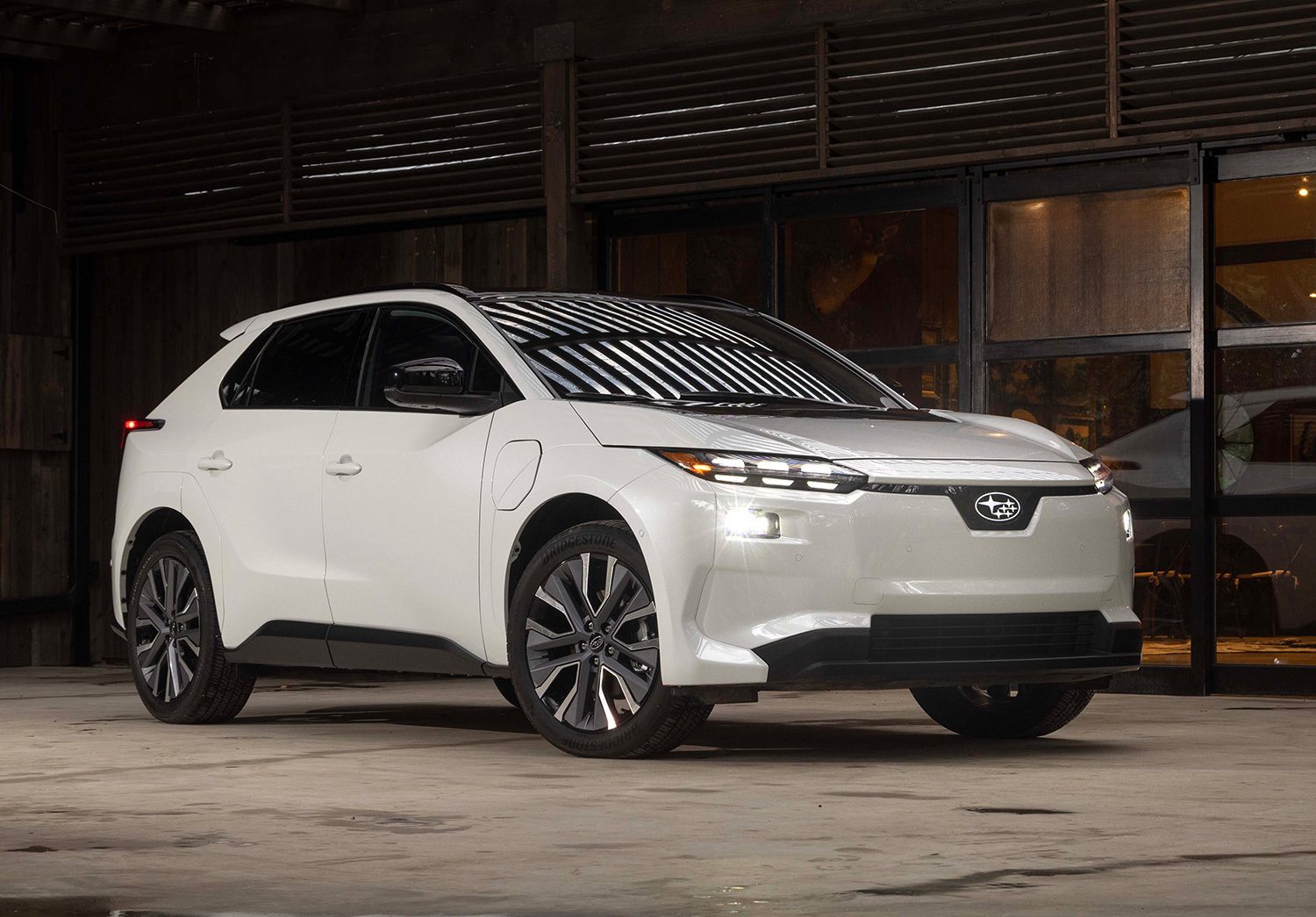
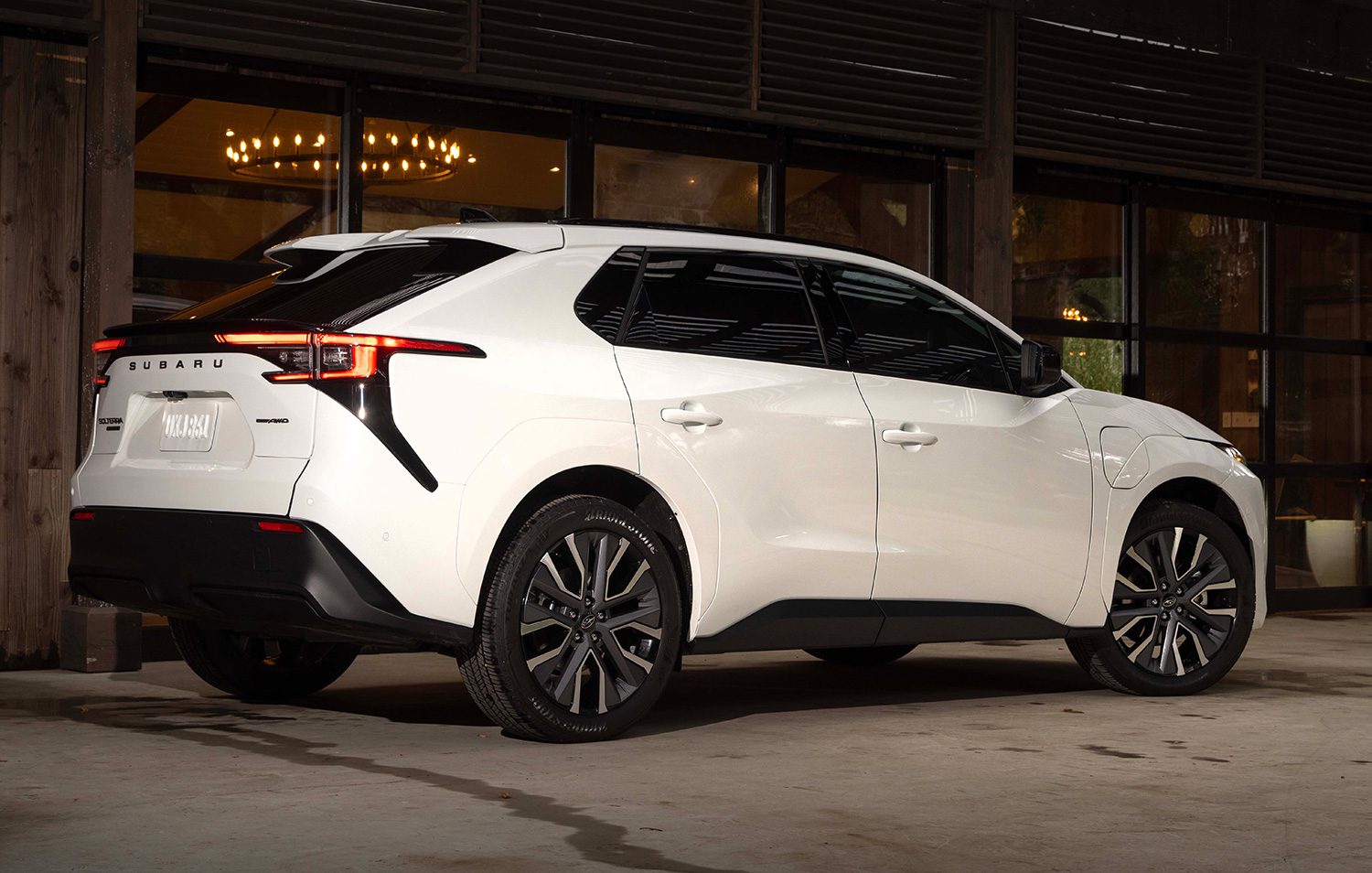
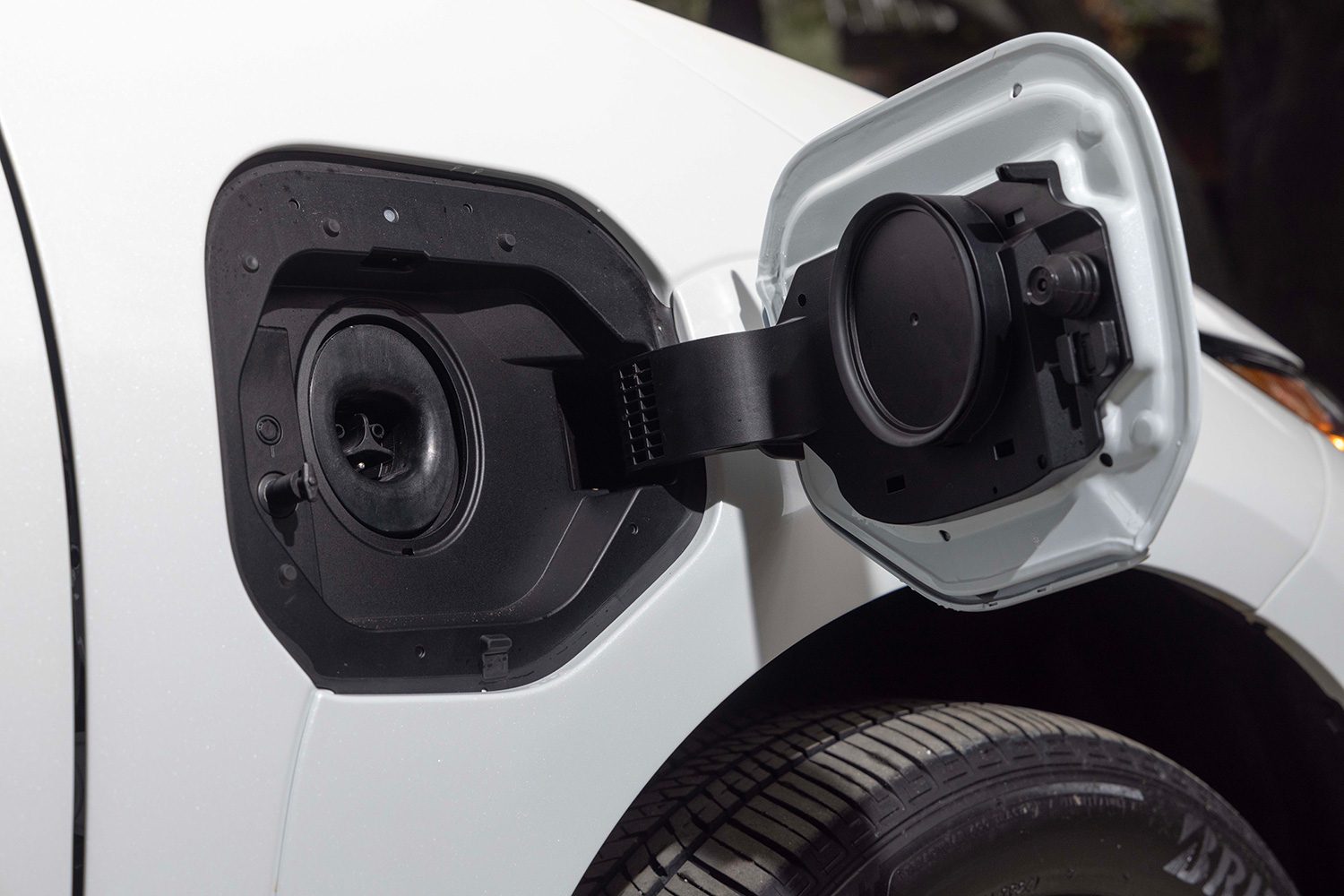
Subaru will share each of the four EVs from Toyota.
2. Toyota can afford to play the long game.
Perhaps more than any other maker, Toyota deliberates over its future plans—and executes them on its own schedule. As Telemetry analyst Sam Abuelsamid told The Detroit News, “Toyota is not often the first to market with a new technology. But they take their time. They try to do it right.”
Toyota deliberates over its future plans—and executes them on its own schedule.
Toyota executives said 15 years ago that the company didn’t break even on its hybrid-electric technology until midway through the second-generation Prius model cycle (2004-2009). It endured 10 years of investment and losses to establish what is now the dominant global position in hybrid vehicles. The Prius went on sale in Japan in 1997, and entered a second generation in 2004, but Toyota didn’t launch a second hybrid model until the Highlander Hybrid in 2005.
It took Toyota a long time to accept that EVs were practical vehicles for mass-market buyers, even in the US. Some of the company’s statements on their extremely limited use cases haven’t aged well. But once the company grew convinced that EVs were here to stay, and that consumers genuinely wanted and liked the best ones, it had prodigious resources—in cash and engineering talent—to throw at the problem of building and selling them.
So it launched one EV in the US—the 2022 bZ4X—and took four years to learn from that experience. The first bZ4X was a flawed vehicle in many ways, from slow charging rates to the limited operating info it gave drivers. But Toyota is a remorseless machine, and it constantly refines its technologies. The first Japan-only 1997 Prius was starkly primitive, clunky, and very slow. Thirty years later, its hybrids are pretty much flawless. Its first-generation Mirai fuel-cell vehicle was also slow and clunky—the second generation is a far more compelling car, despite using a fuel that’s a dead end for US passenger vehicles. For Toyota, Abuelsamid explained, “continuous improvement [known as kaizen] has always been their thing. They listened to the complaints, and they made the bZ dramatically better in the span of a mid-cycle update.”
It’s often said that Toyota isn’t worried about the VW Group, GM or Nissan—but it is worried about Hyundai, and how rapidly it iterates and innovates.
The $14 billion it put into its North Carolina battery plant (for EVs and hybrids) is an example of Toyota taking its time. The electric Highlander (and its Subaru Getaway twin) it will build in Georgetown, Kentucky is another. Never count Toyota out—when it puts its mind to a problem, it often comes out on top. There may be missteps, and it may take a few model generations, but once it decides to do something, it usually figures out a way to build and sell the cars at a profit. And its most aggressive traditional competitor, Hyundai, hasn’t taken its foot off the pedal on its EV strategy, either globally or for North America.
It’s often said that Toyota isn’t worried about the VW Group, GM or Nissan—but it is worried about Hyundai, and how rapidly it iterates and innovates. Frankly, the fact that Toyota plans to sell four EVs in the US feels like nothing so much as validation of the entire EV transition.
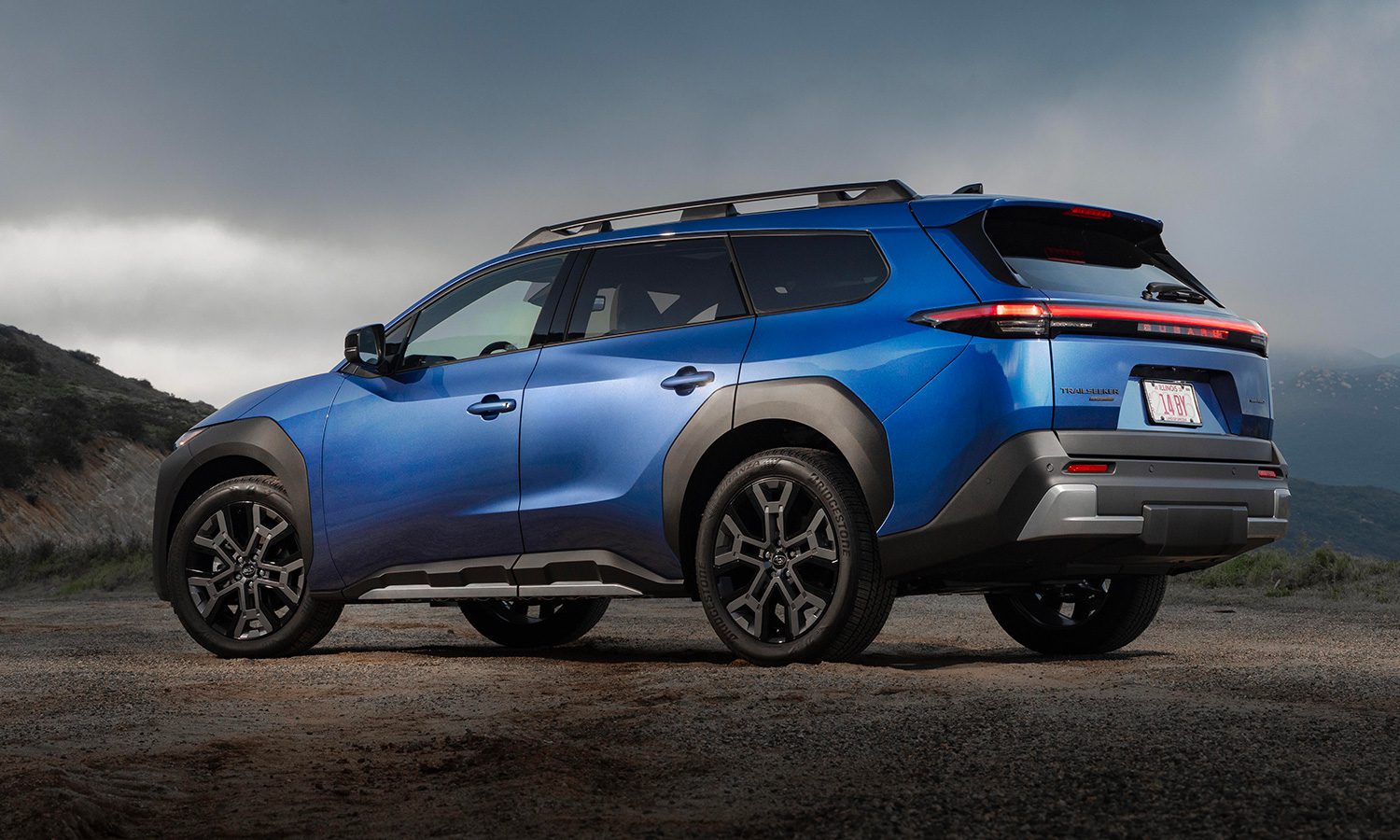
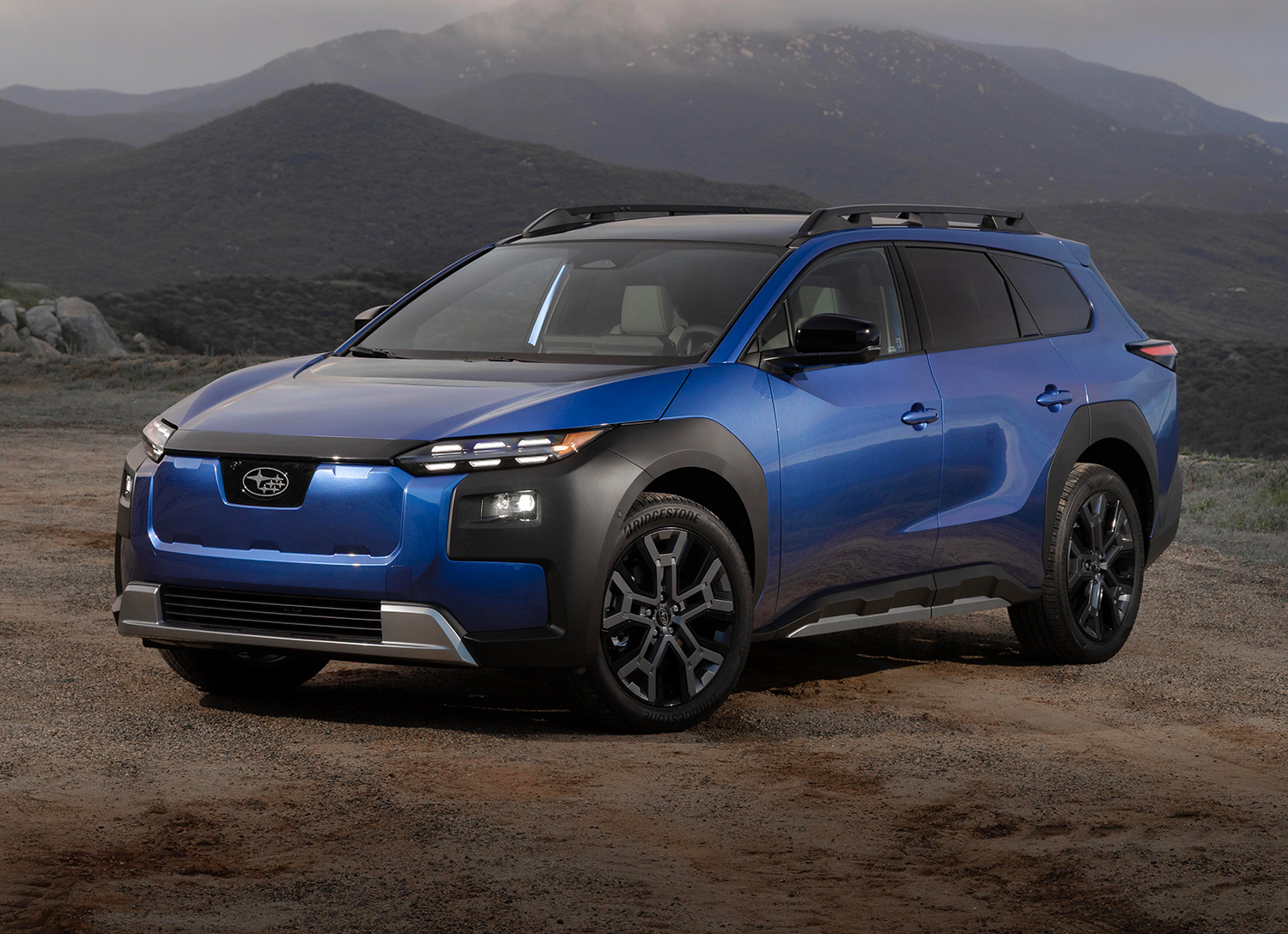
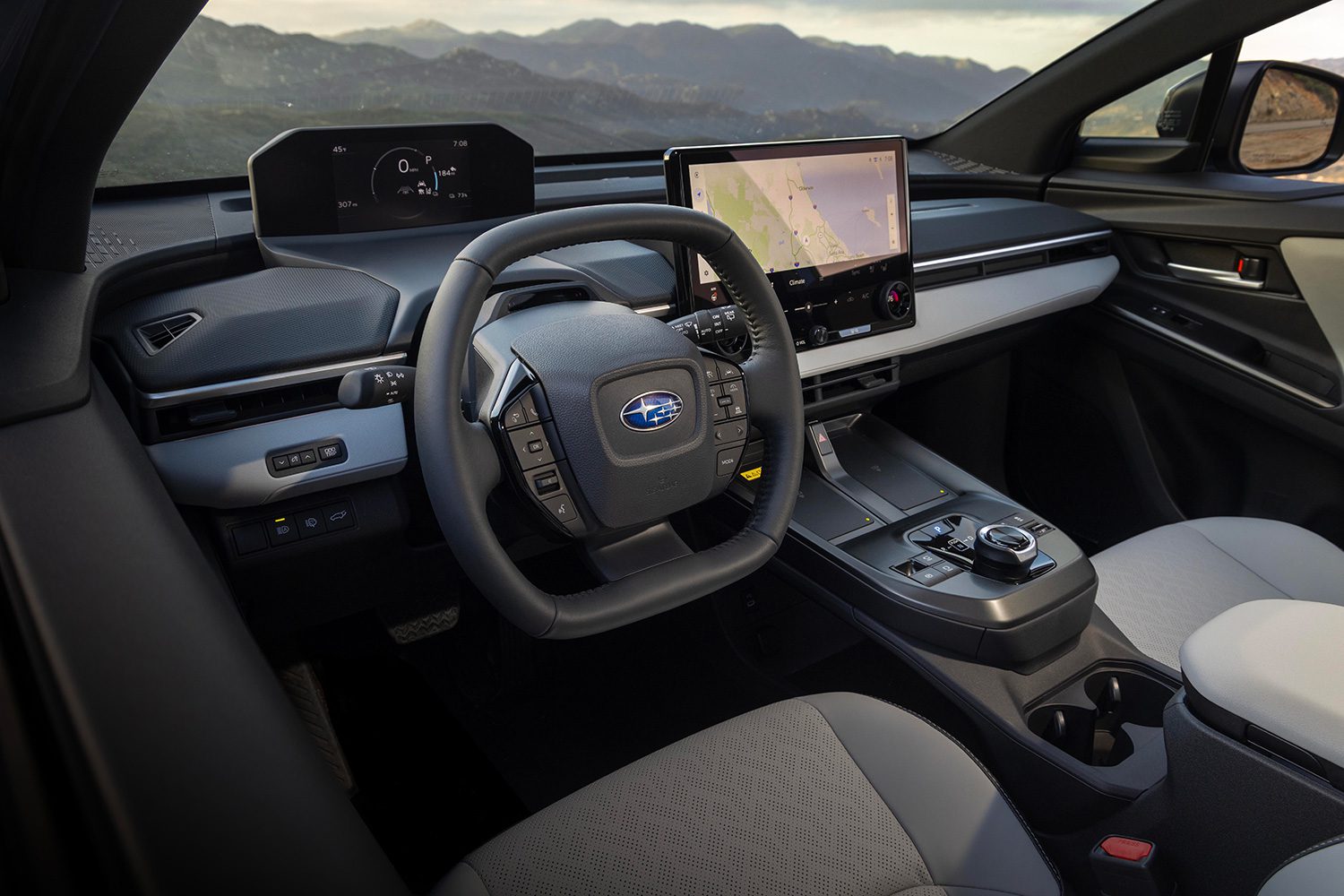
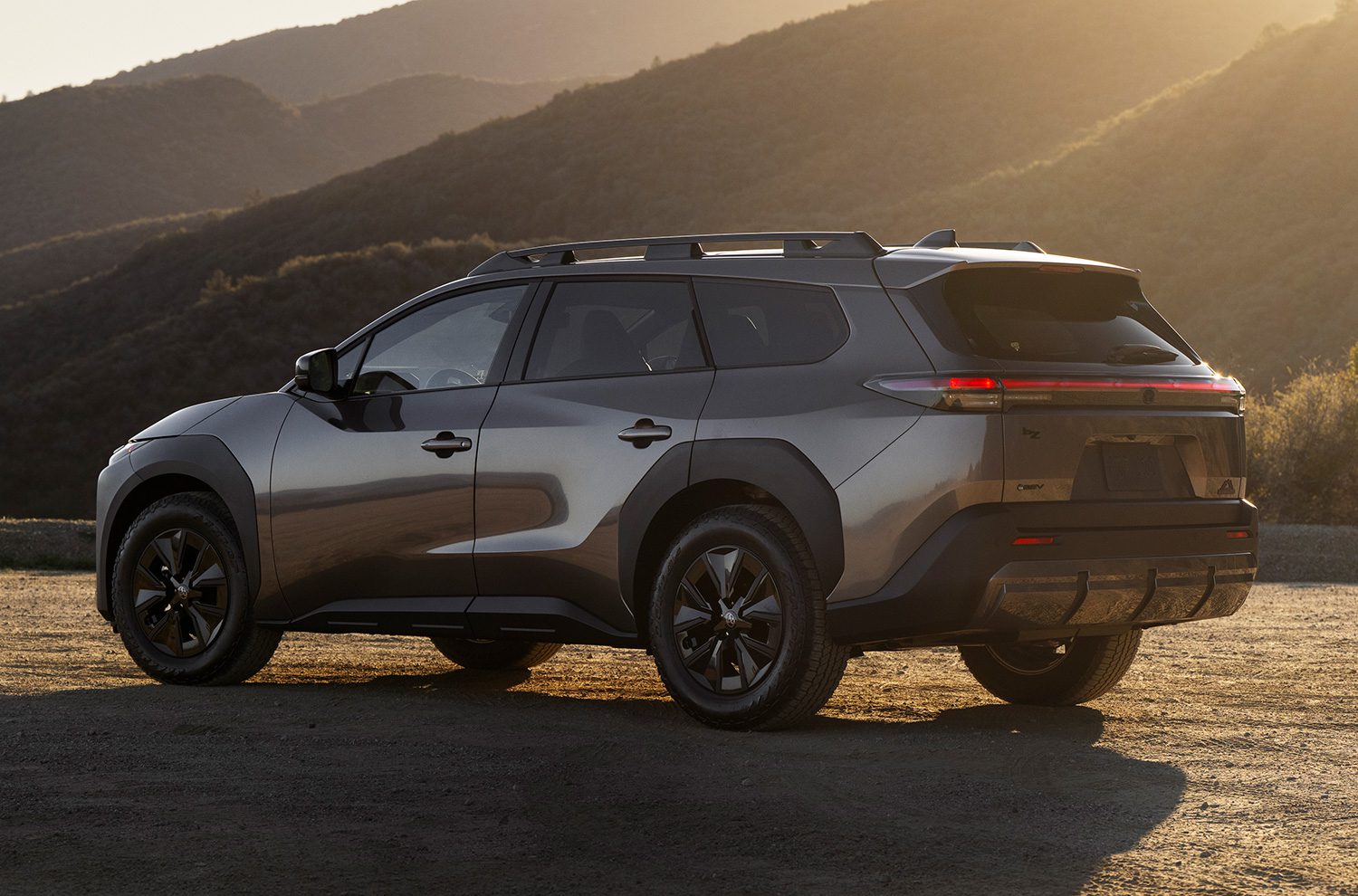
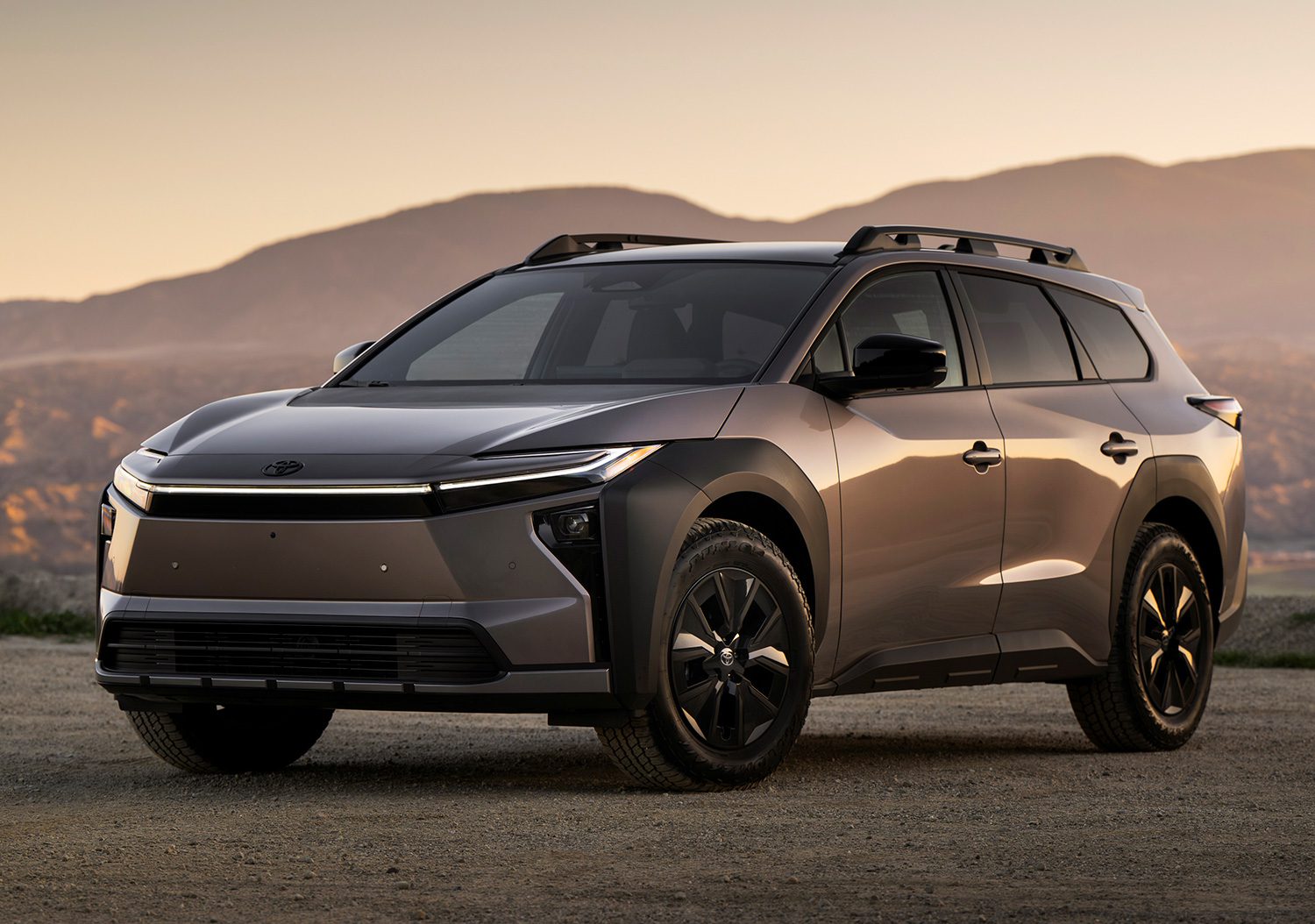
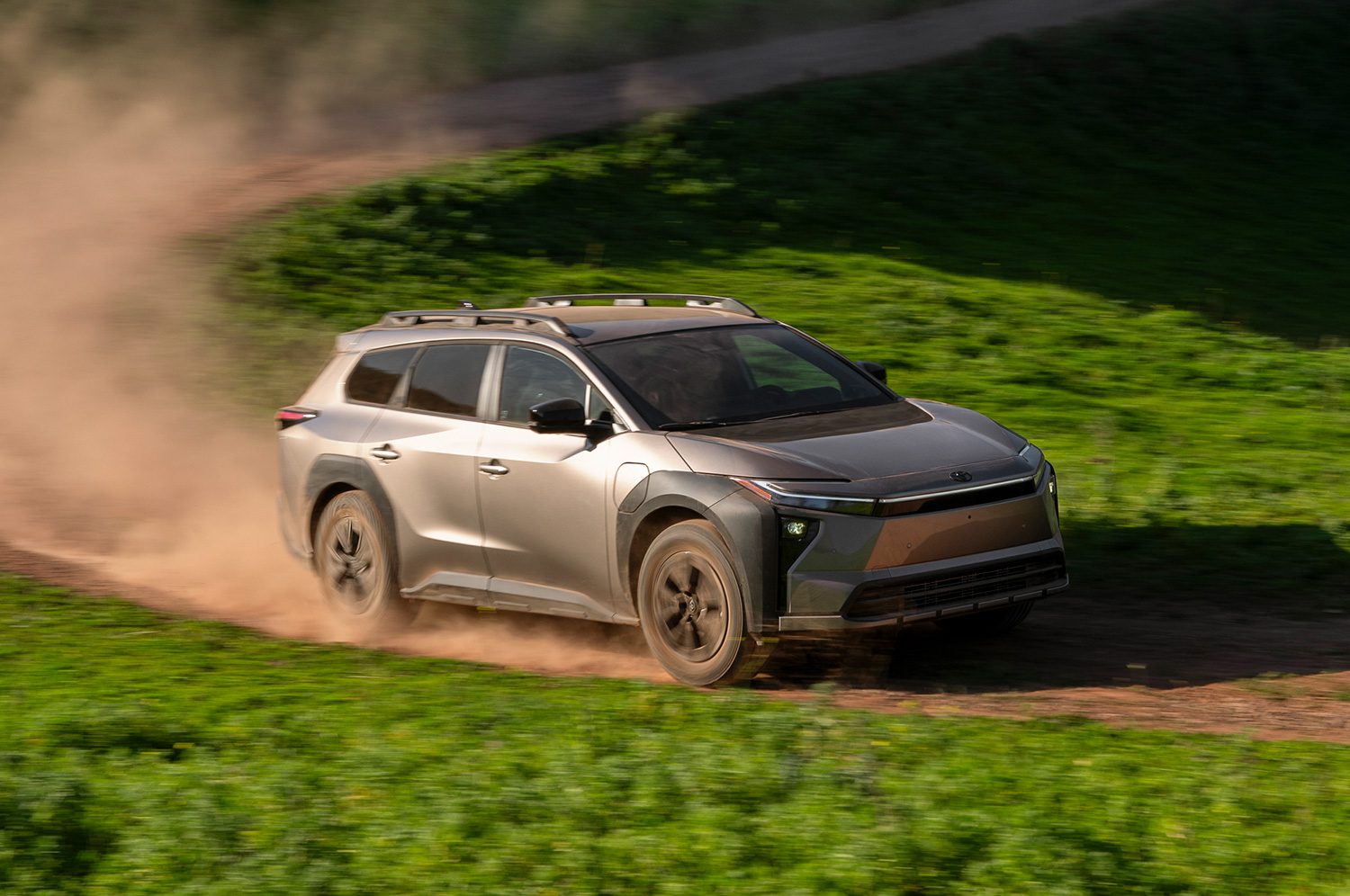
Subaru Trailseeker and Toyota bZ Woodland.
3. Subaru sales support Toyota’s US volume.
We’ve not seen a lot of “badge engineering” among big carmakers lately. (That’s the practice of two entirely different car brands selling identical vehicles.) But the strategy has returned with a vengeance, as tiny Subaru (a company that sells barely 1 million cars a year globally) will share each of those four EVs from Toyota (a company that sells 10 times as many units globally).
Toyota sold 45,000 of the bZ4X electric SUV over three model years—and Subaru added an additional 32,000 sales of the virtually identical Solterra. That’s a notable uptick in production volume that helps to spread costs.
In the US, Subaru buyers may be among the most likely to buy EVs. Environmentally conscious, practical and adventurous—that’s the right combination for a first-time EV buyer. But Subaru just didn’t have the cash to build its own EVs—or even hybrids, for that matter. Enter Toyota, which owns 20 percent of Subaru, and now sells it hybrid systems for multiple gasoline models. The two companies have collaborated on more recent EV models, though to our eyes, the 2026 Subaru Trailseeker is the only one that really “looks like a Subaru.”
How much can Subaru add to sales of Toyota EVs in the US? For their one shared vehicle to date, the Toyota bZ4X / Subaru Solterra electric SUV, Toyota sold 45,000 over three model years—and Subaru added an additional 32,000 sales to that total. The cars are virtually identical, but that’s a notable uptick in production volume that helps to spread costs. At least in North America. Subaru now sells a startling 76 percent of its total global production here, so its sales outside North America won’t help Toyota’s EV volume. But here, it matters.
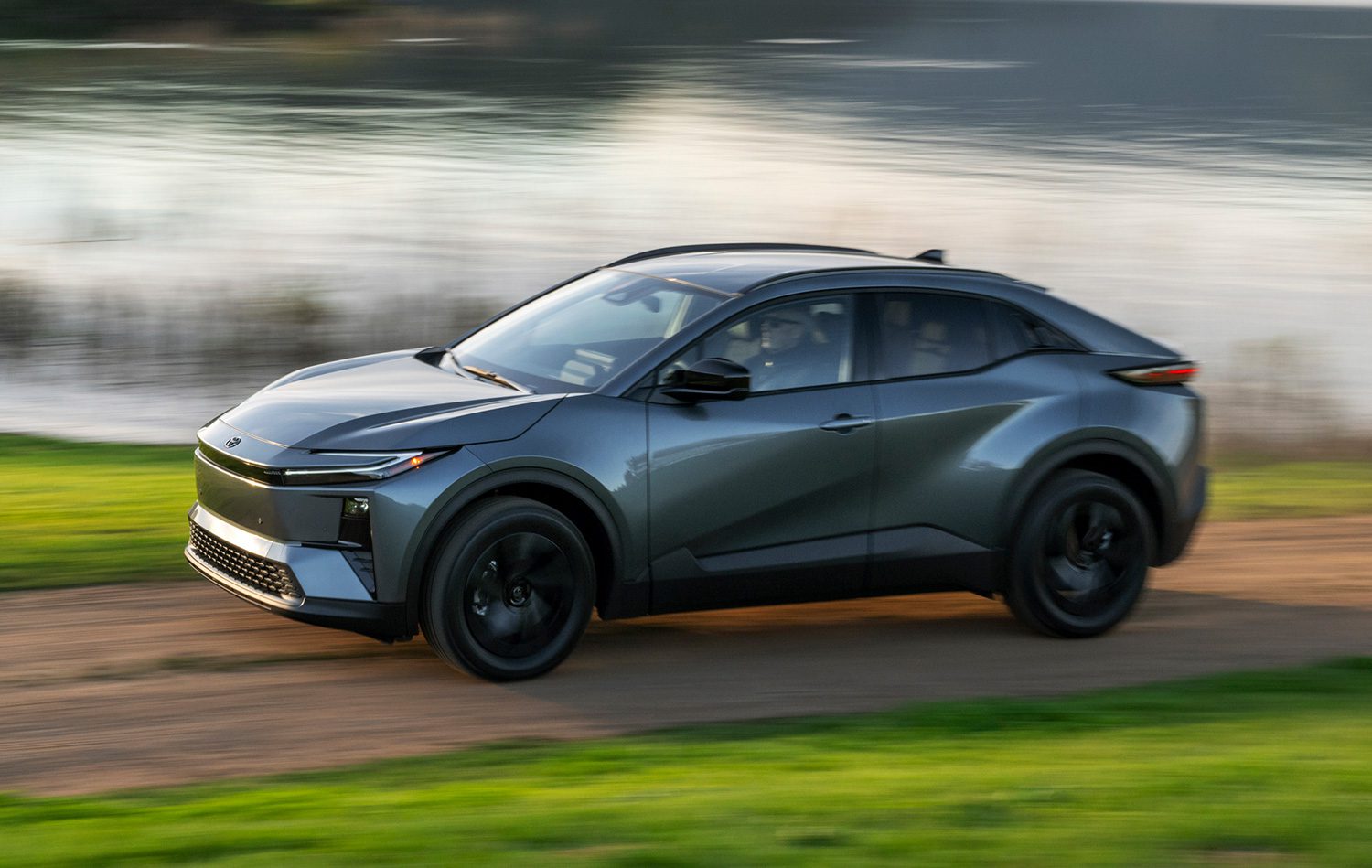
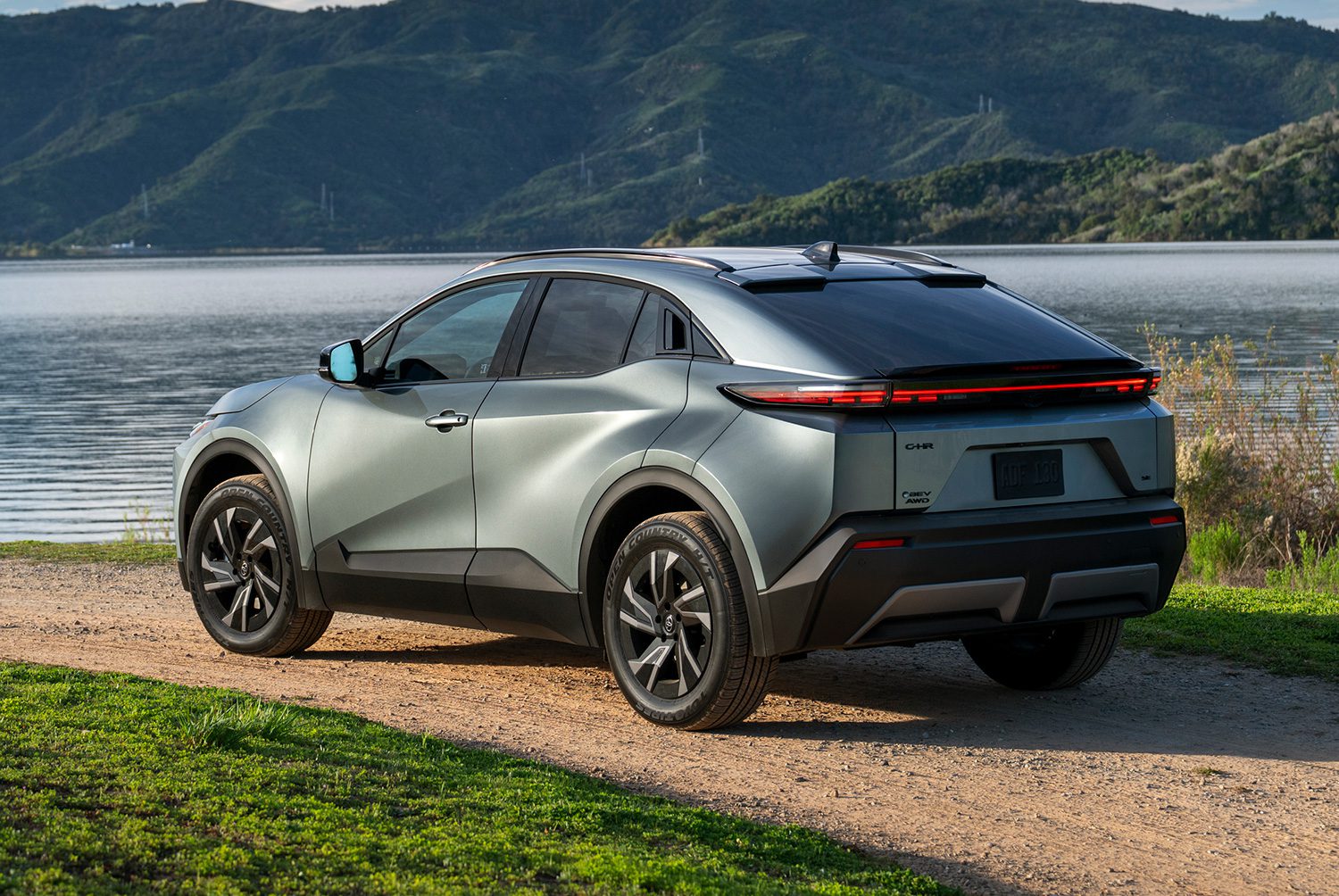
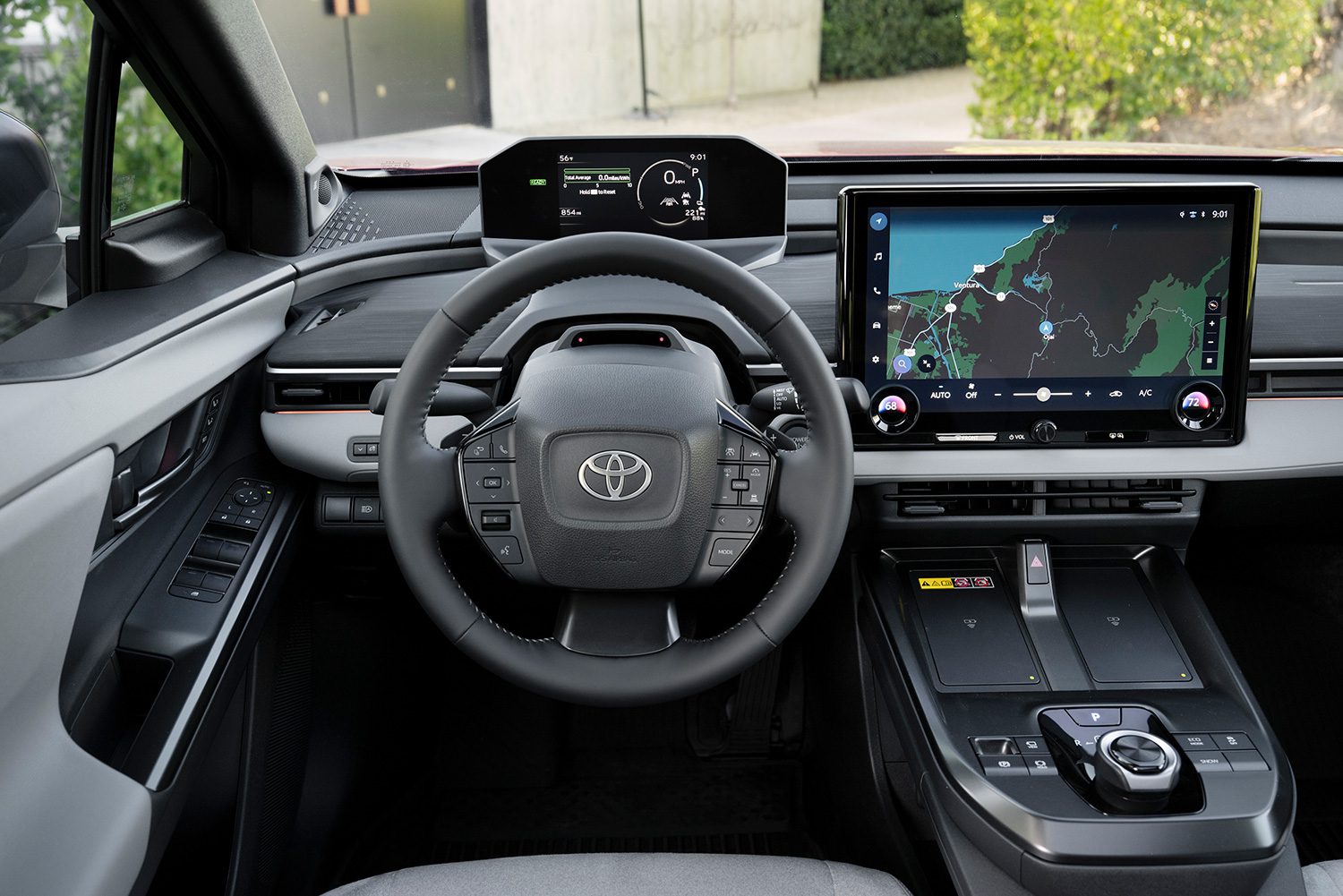
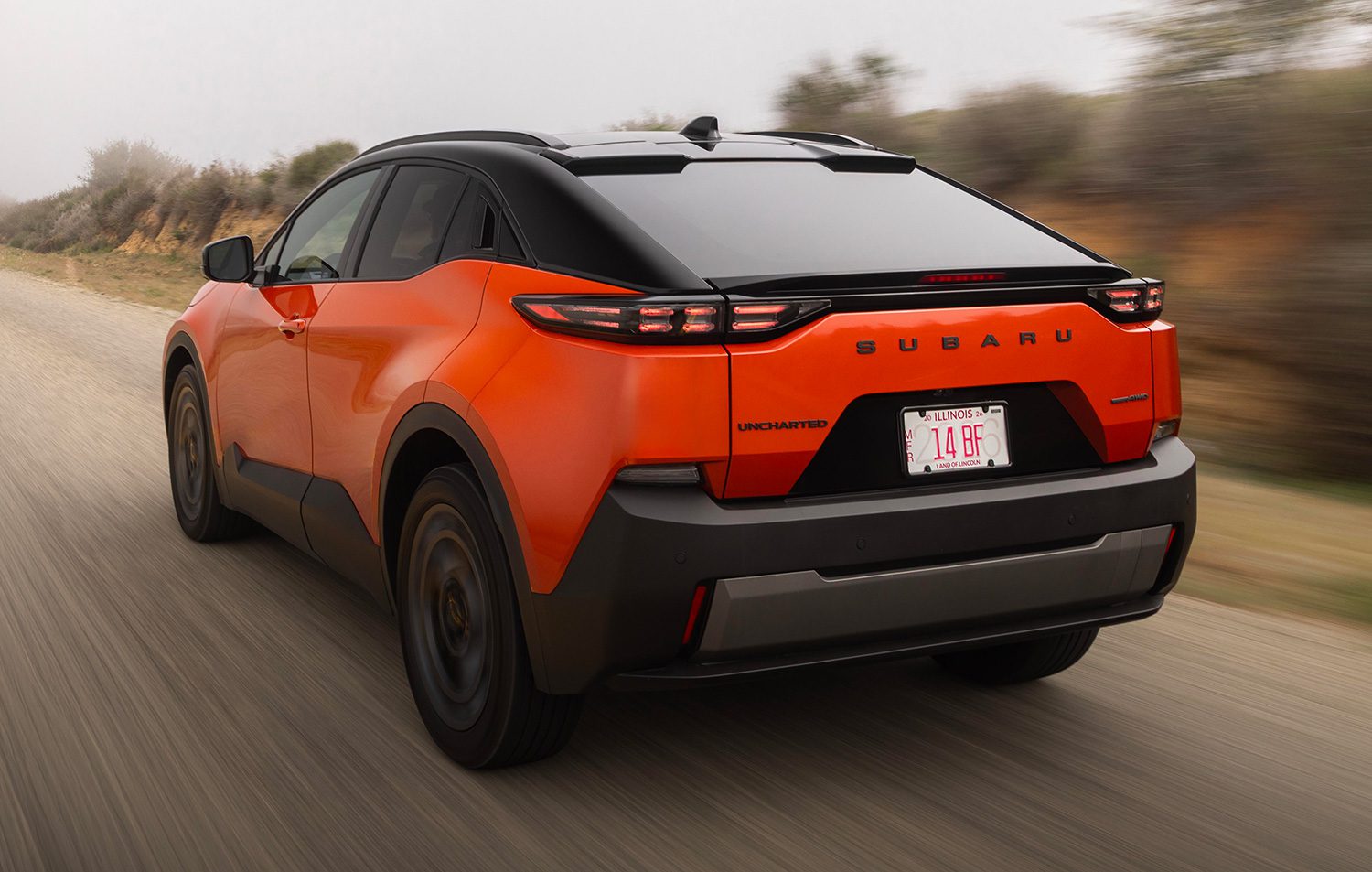
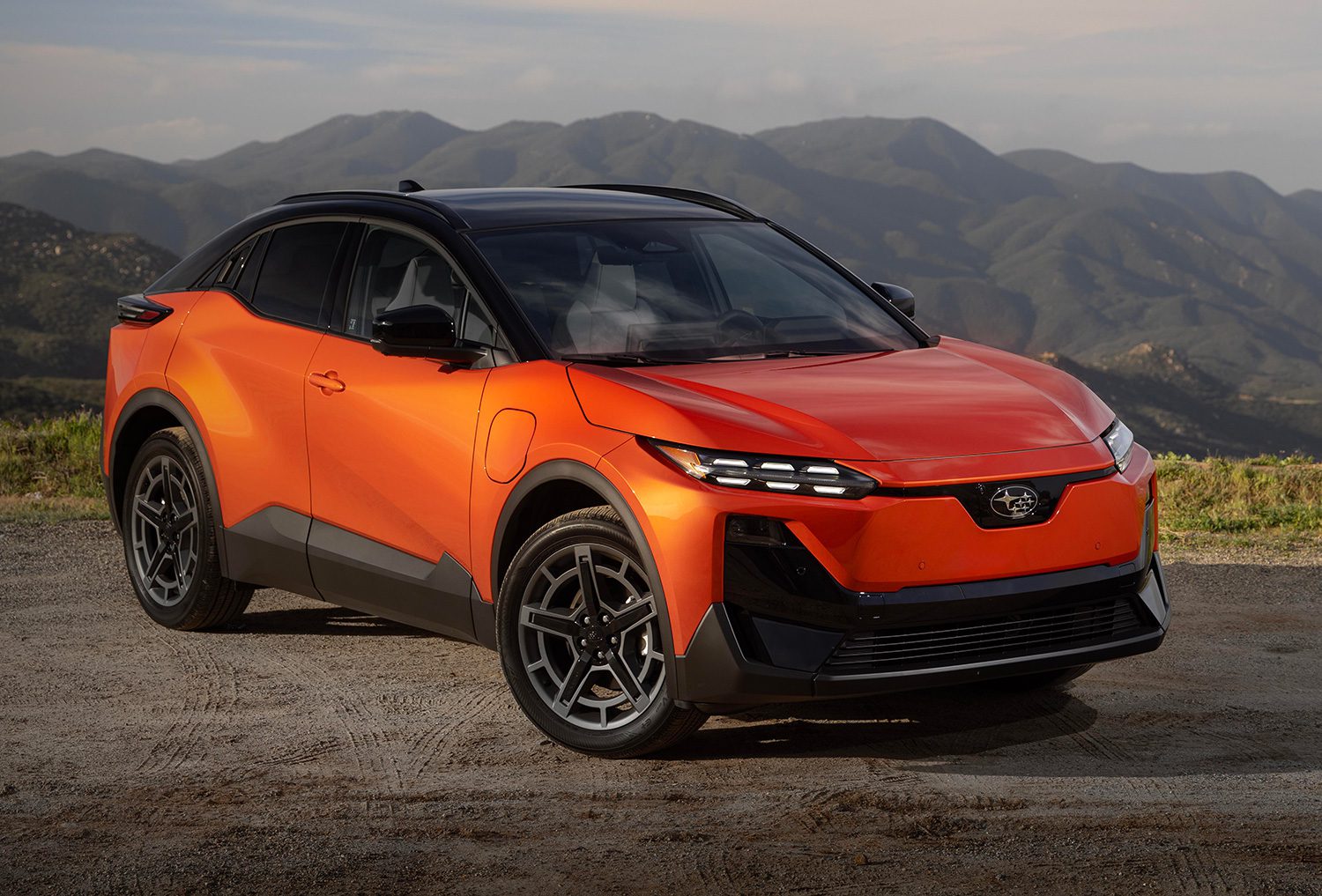
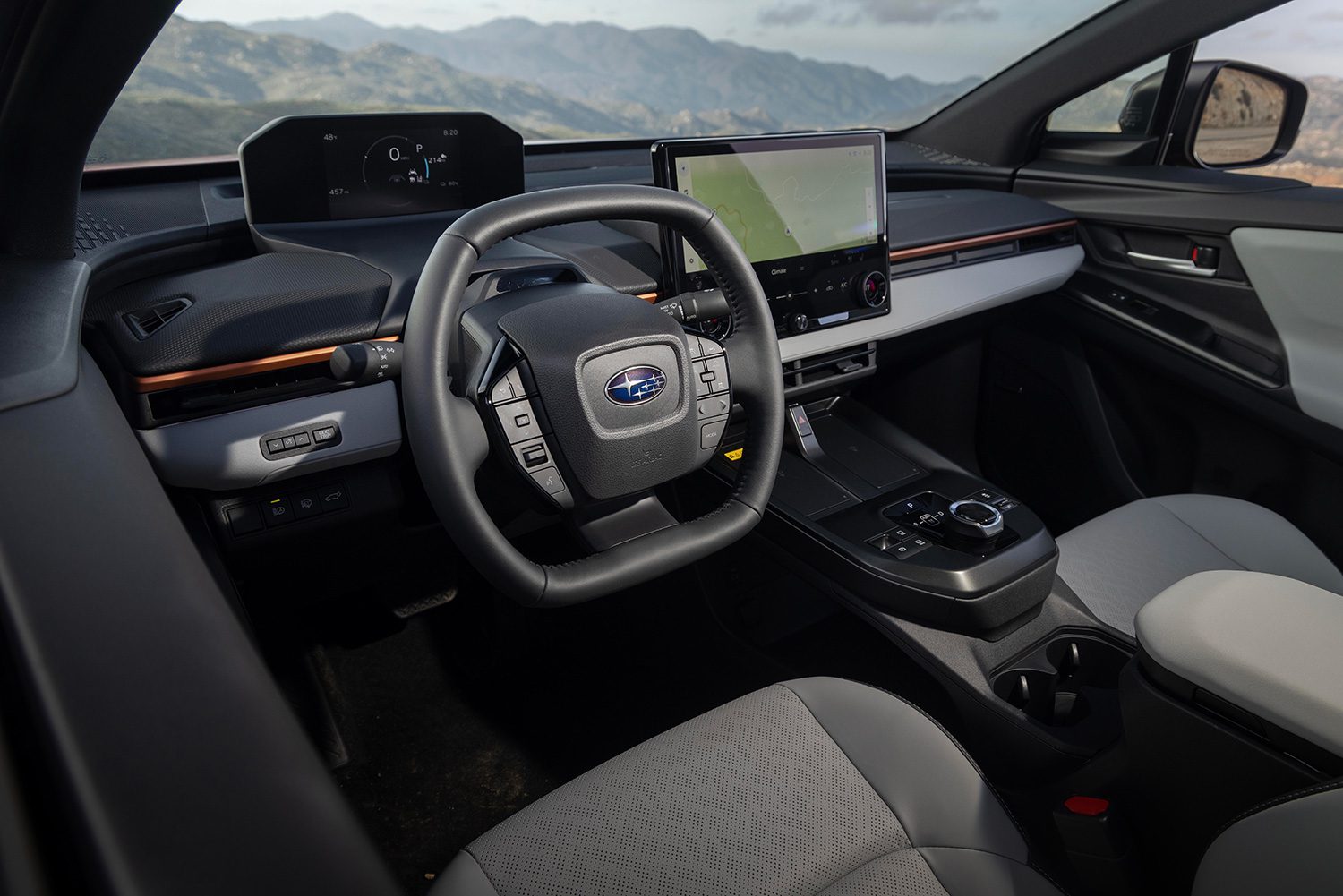
Toyota C-HR and Subaru Uncharted.
4. It’s not about the environment.
Auto executives have often viewed EVs not as good cars or desirable products in their own right, but as a regulatory necessity to meet environmental rules. (Note the opening statement that EVs are “not needed” due to the end of “CAFE penalties” and “ZEV mandate”—that’s purely an automaker point of view.) In the early days of the EV transition, some automakers sold electric “compliance cars,” some of them not very good. Many were simply discounted until they sold in adequate volume to stay on the right side of regulators. Makers saw it as just an annoying cost of doing business.
Polarized US politics may paint them with a green brush, but EVs sell because owners find they’re simply better vehicles.
But environmental concerns are not why most consumers buy EVs. Polarized US politics may paint them with a green brush, but EVs sell because—once a buyer comes to understand how they work and how to recharge them—owners find they’re simply better vehicles. The fact that they’re far cheaper to operate is an added bonus that only hits home after purchase. Survey after survey shows that once they’ve made the switch, the vast majority of EV buyers never want to go back to gasoline.
That message gets passed along over time via friends, relatives, neighbors and coworkers—just as it did for hybrids, starting 20 years ago. For EVs, we don’t know how long it will take for that message to sink in more widely. What’s the slope of the sales-increase curve? That will be the really interesting question for the next 10 years or so.
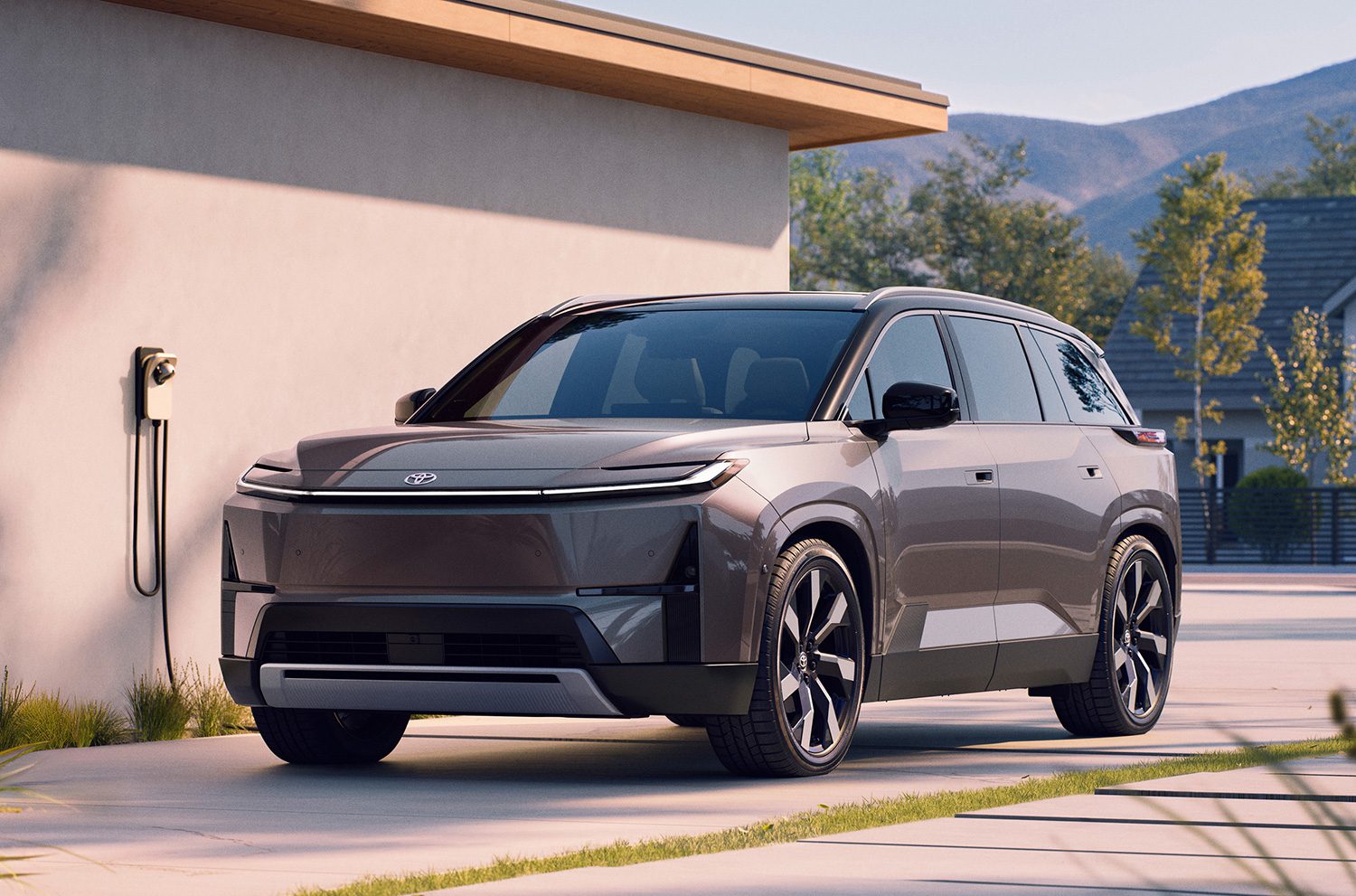
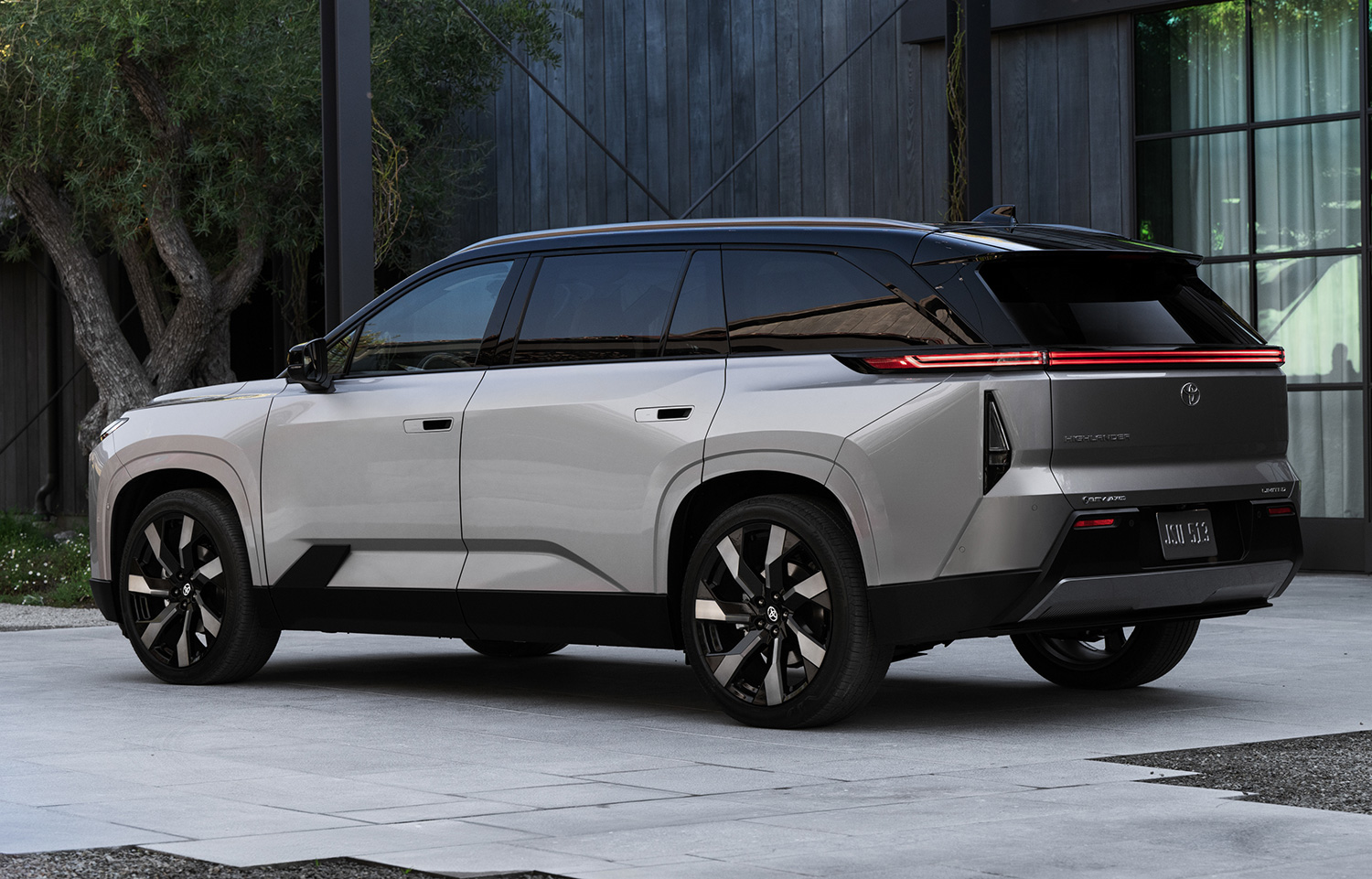
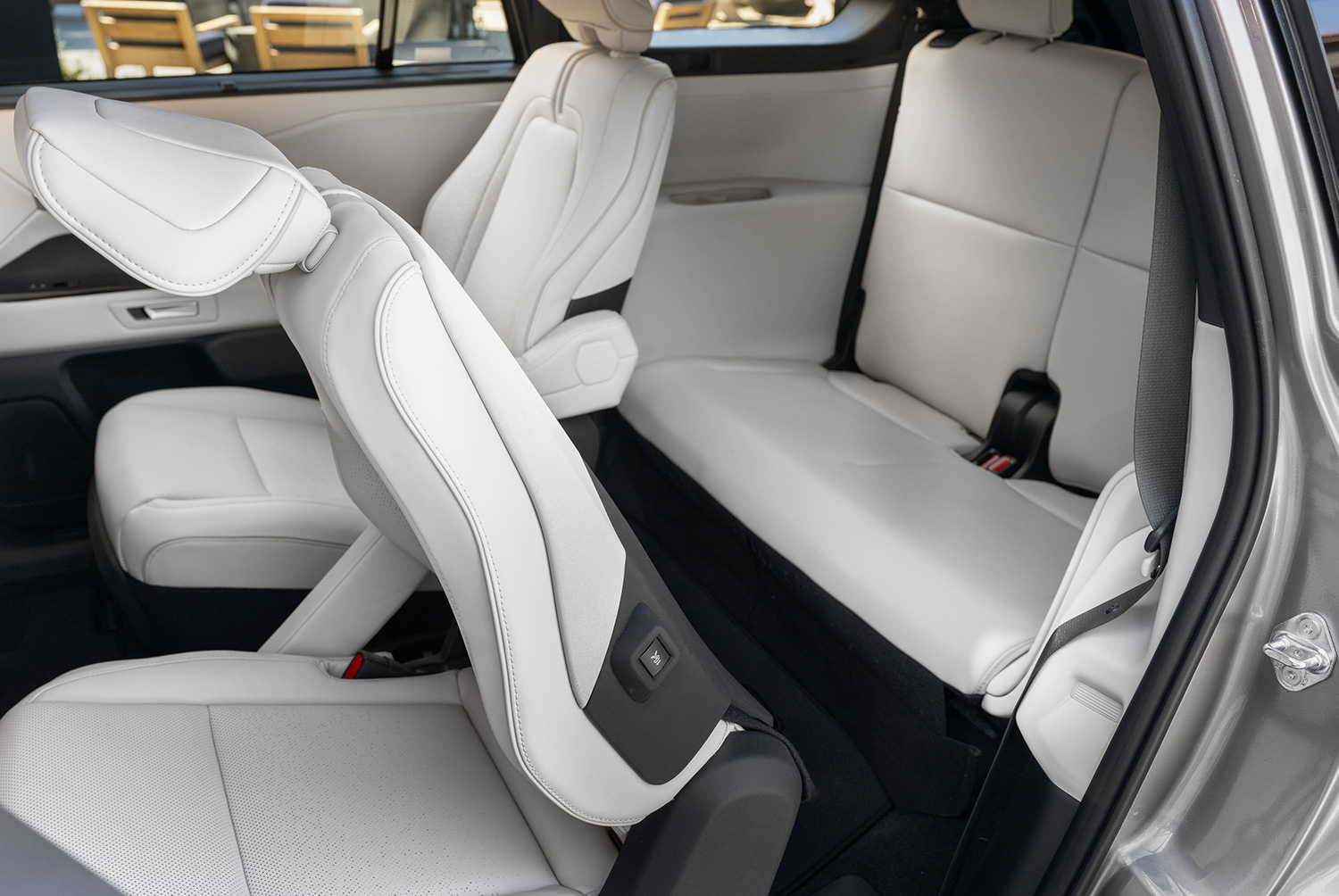
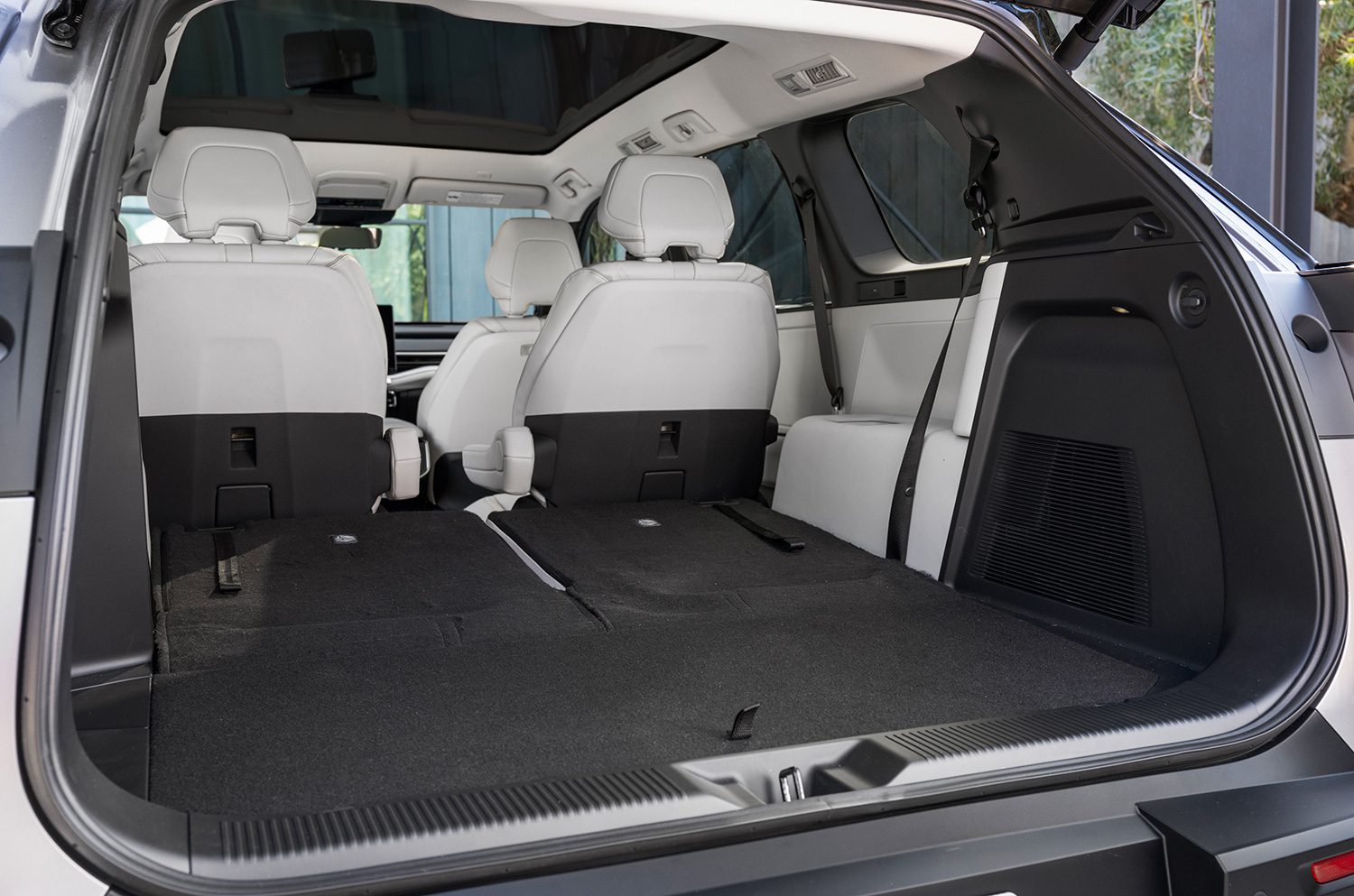
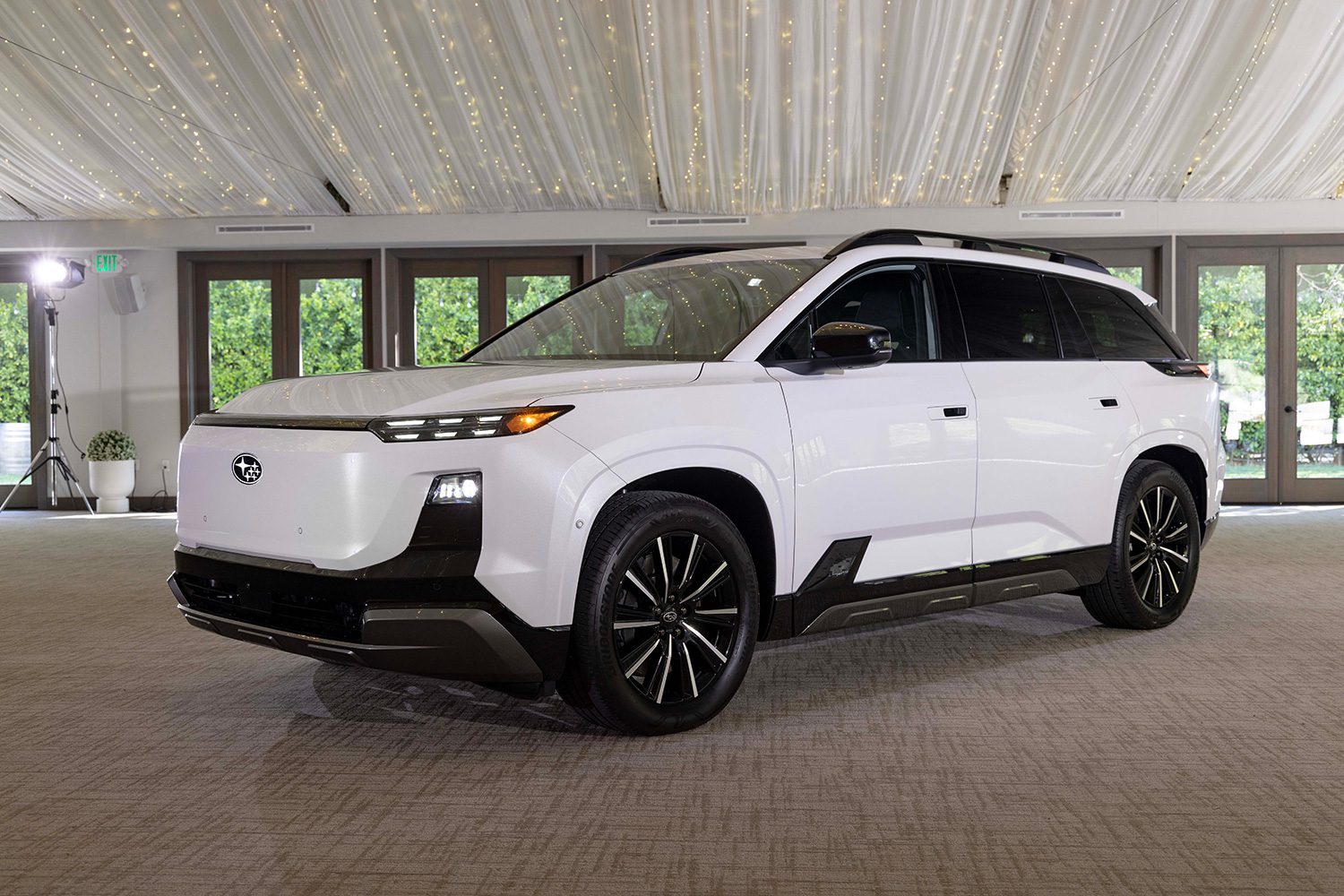
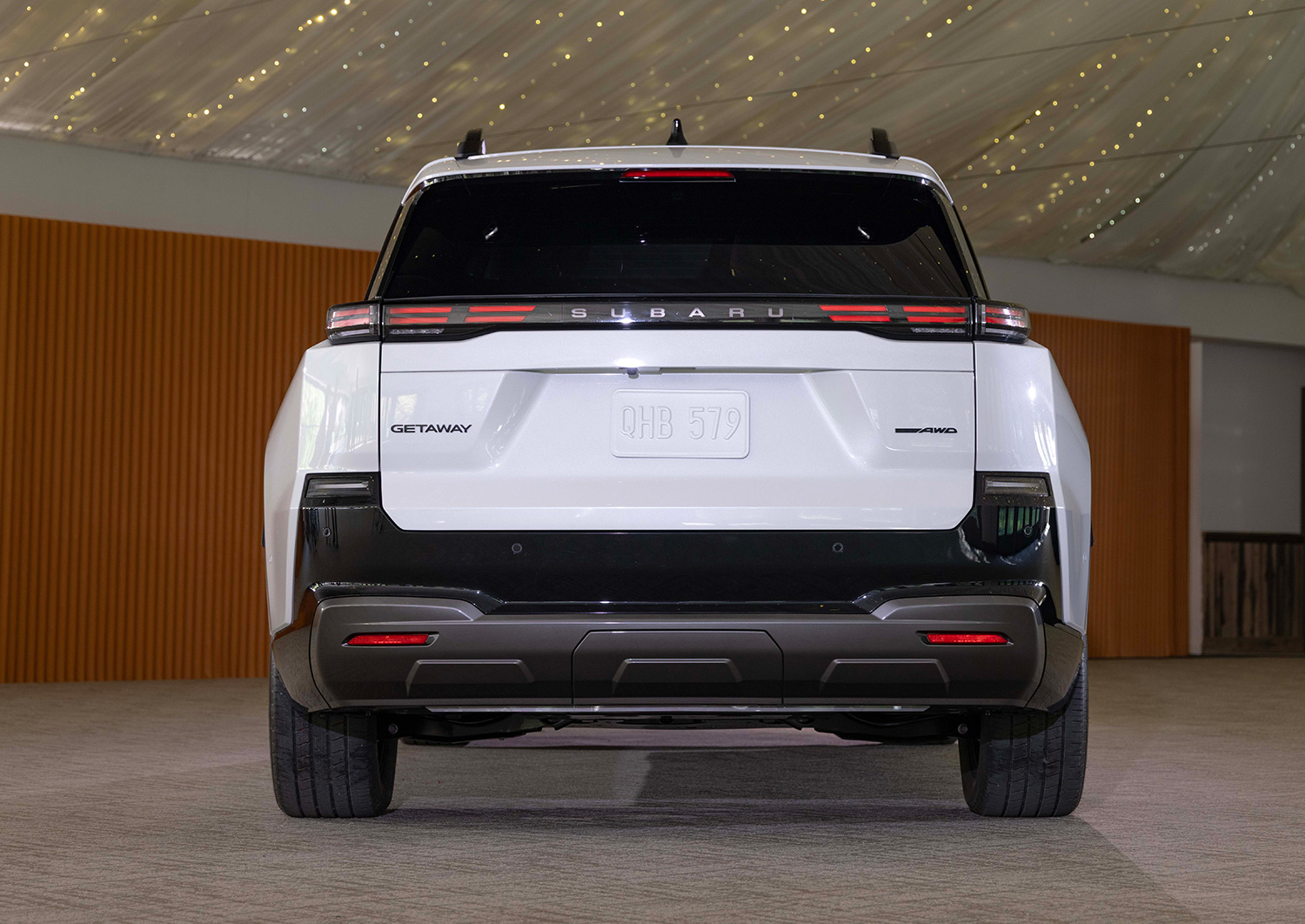
Toyota Highlander and Subaru Getaway.
5. EVs aren’t going away.
It bears repeating that electric vehicles are here to stay, globally and even in North America. In the US, we’re presently suffering through a regrettable period of dumb headlines, with context-free sales comparisons, proclaiming that US consumers are no longer interested in buying EVs. That’s nonsense.
We’re presently suffering through a regrettable period of dumb headlines, with context-free sales comparisons, proclaiming that US consumers are no longer interested in buying EVs. That’s nonsense.
Yes, year-over-year EV sales fell by 36 percent in Q4 2025 and by 27 percent in Q1 2026, per data from Kelley Blue Book. “EV sales in Q1 2026 were lower by 7.8 percent compared to the previous quarter, an improvement [that suggests] the sales drop after government incentives were terminated has slowed. EVs accounted for 5.8 percent of total new-vehicle sales in Q1, unchanged from Q4 2025 and well below the peak of 10.6 percent in Q3 2025.”
But analyst Loren McDonald of Chargenomics estimates that 125,000 or more EV sales were pulled forward to Q2 and Q3 last year, anticipating the end of purchase incentives last September 30. We’re now working through that deficit.
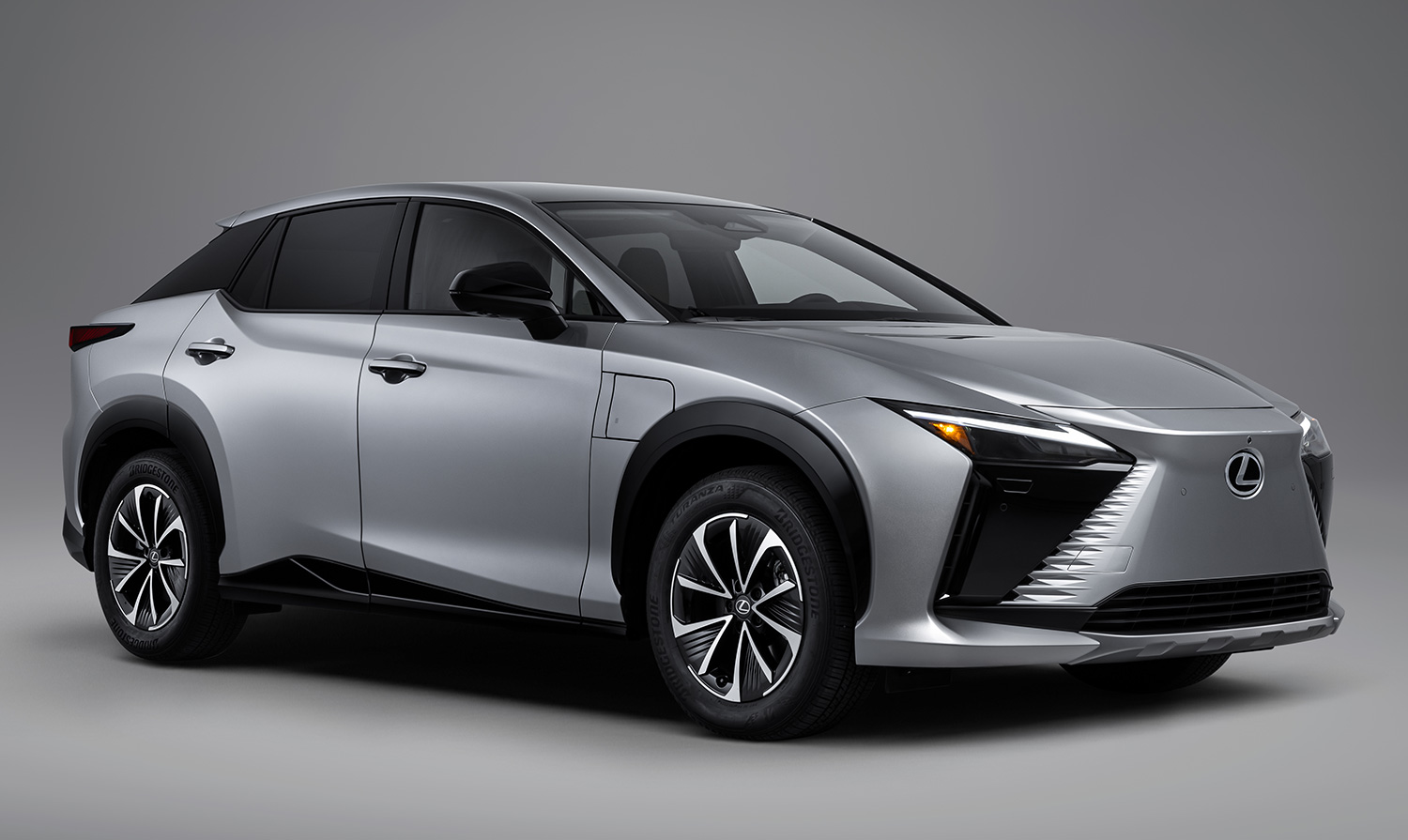
Lexus RZ
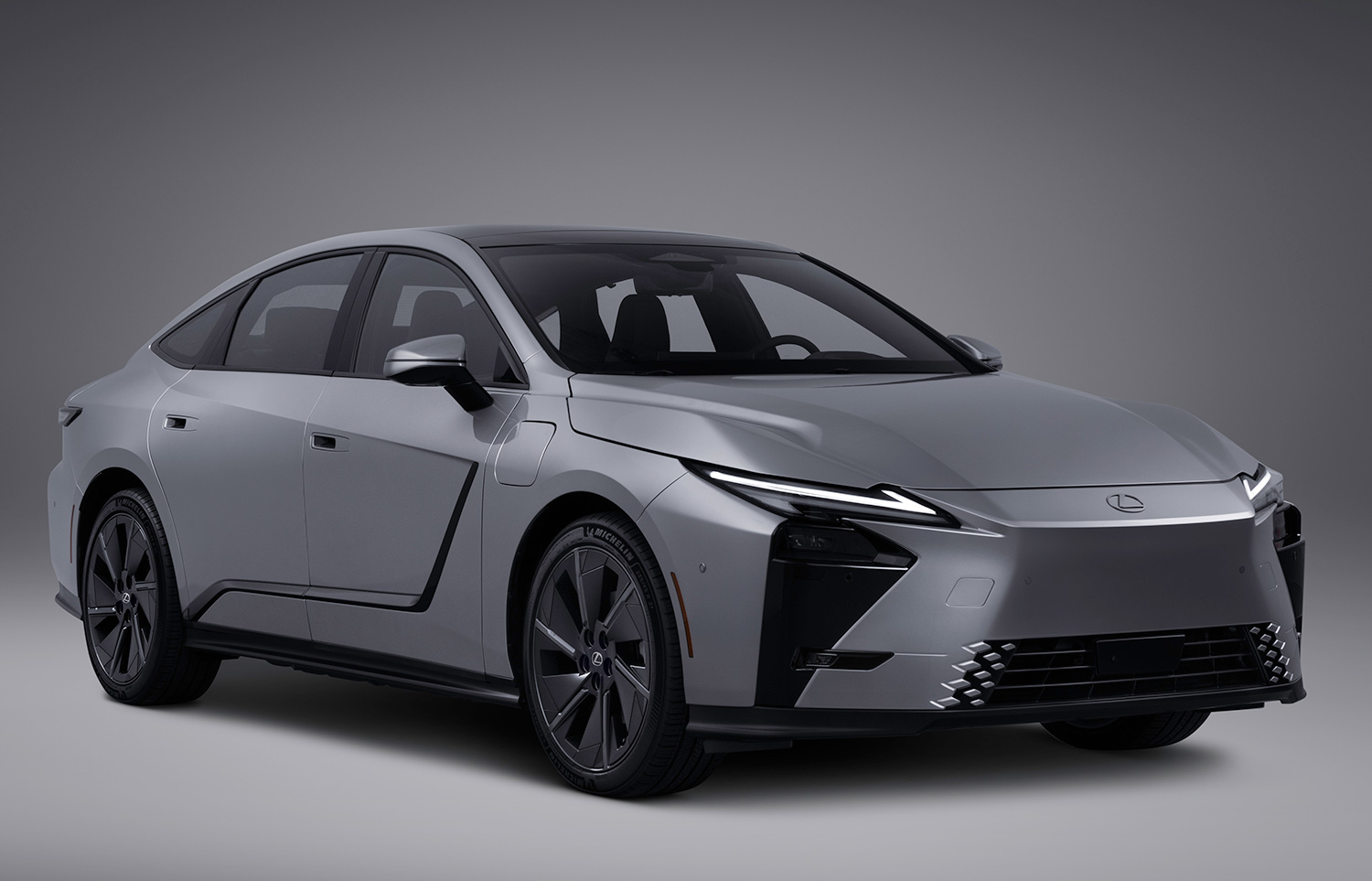
Lexus ES
We’ve learned that some types of EVs are more popular than others: electric compact SUVs do well, large and pricey electric pickup trucks pretty much don’t. Less expensive EVs to come are likely to work even better—shoppers are more willing to take a chance on a $30,000 EV than a $50,000-plus one. Those cheaper EVs are coming this year and next. Toyota may decide to launch some lower-priced EVs—on its own timeline, of course.
This article appeared in Issue 75: January-March 2026 – Subscribe now.


















 EV Engineering Webinars & Whitepapers



 EV Tech Explained