

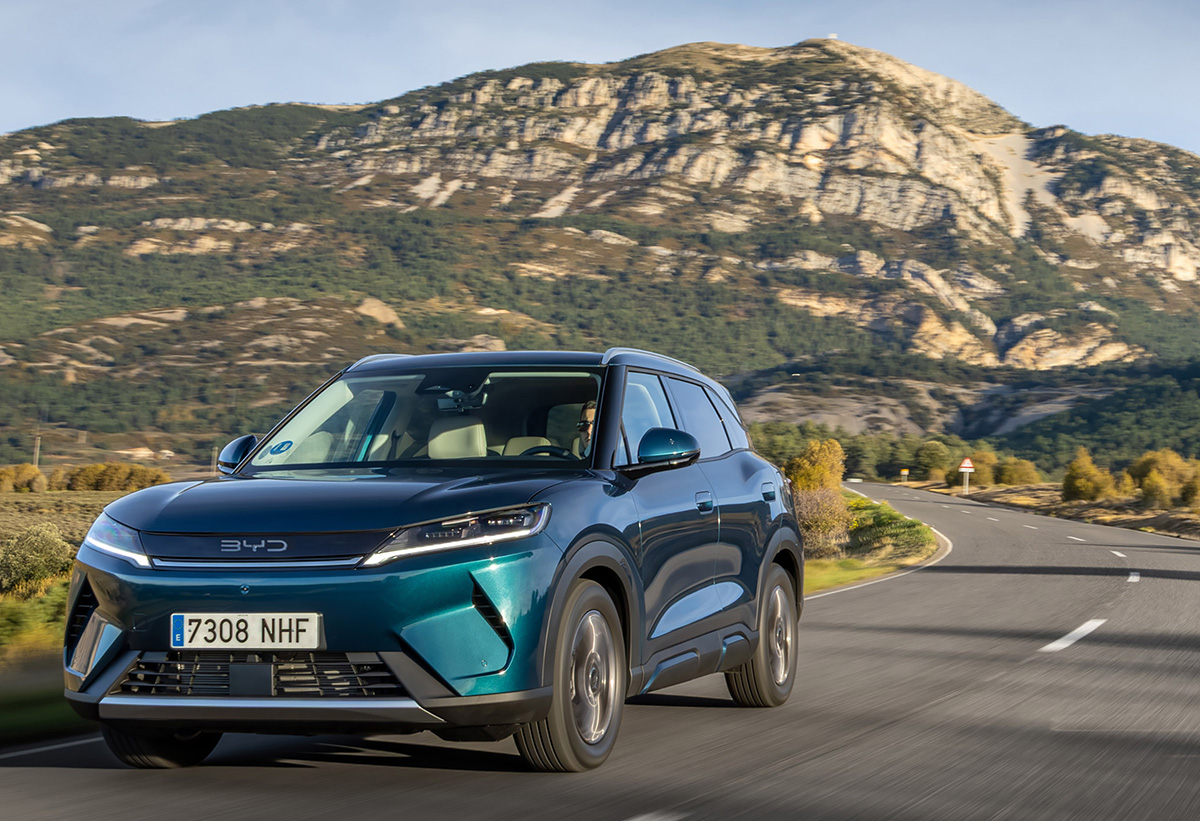
China is the world’s EV capital, and BYD is the world’s largest EV producer. But Chinese automakers are mostly excluded from the US, one of the world’s largest automotive markets, thanks to a combination of high tariffs and bans on certain foreign-made technologies. (There are workarounds for commercial vehicles—BYD builds electric buses in California, and Windrose just started selling its electric trucks in the US.)
Is BYD focusing on finding a way to break into the US passenger car market? Nope.
Speaking at the recent Beijing Auto Show, BYD Executive VP Stella Li, who is widely considered the public face of BYD’s push for global domination, said that the company’s growth does not depend on entering the US market.
“We survive and are successful without the US market today,” Ms. Li told the BBC. She added that the company’s main challenge at the moment is meeting soaring demand in other regions, including Brazil, the UK and Europe. “Actually, we are now suffering [insufficient] capacity. Our demand is much higher than what we can supply.”
Li also said that BYD is increasing its brand recognition in new markets, including the UK (and presumably Canada, where the company has plans to open up to 20 EV dealerships).
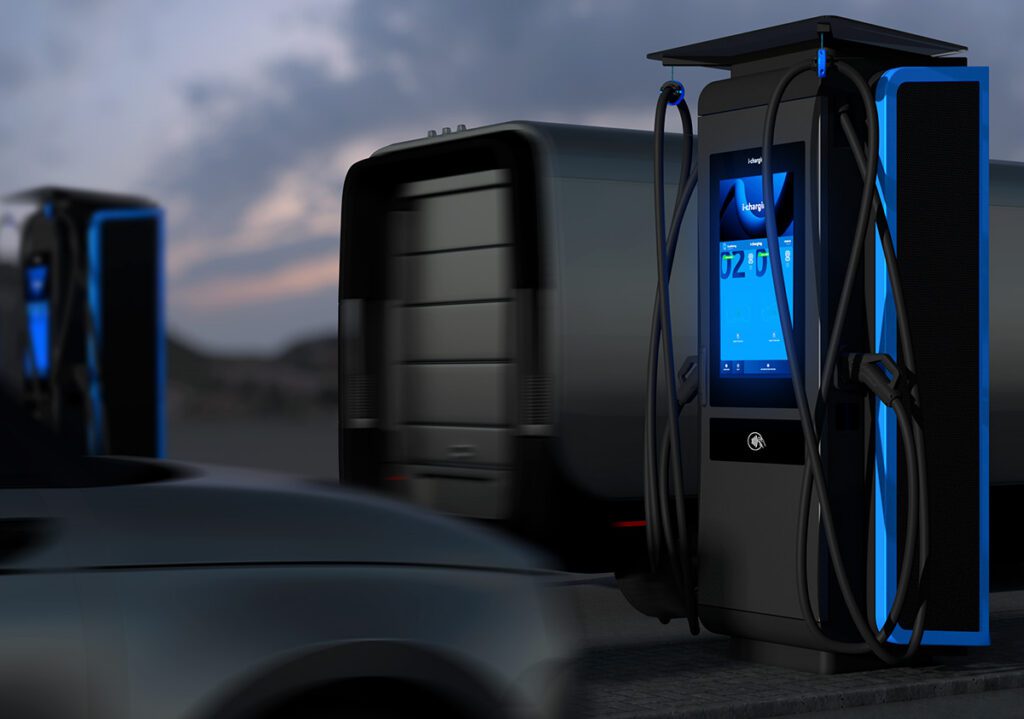
In March, BYD introduced its Blade Battery 2.0, which it says will deliver a range of over 1,000 km, and a new Flash charging system that can charge a Blade Battery from 10% to 70% in just five minutes. The Flash charging technology is already available in at least one EV destined for the European market.
In some of the smaller automotive markets that the media tends to lump together as “Rest of World,” EV adoption is soaring, and Chinese automakers—BYD at the forefront—already dominate the market.
Meanwhile, US automakers (and to a lesser extent, European ones) seem to be locked into a self-defeating spiral, cancelling or scaling back their EV programs just as the global EV market is kicking into high gear.
As EVinfo.net’s Bill Pierce puts it, “The United States is making a strategic error by slowing momentum on electric vehicles at the federal level, and the timing could not be worse.”
Sources: BBC, EVinfo.net



















 EV Engineering Webinars & Whitepapers





 EV Tech Explained