



As US and European automakers struggle to stall the EV transition, the countries described by the automotive media as “Rest of World” are increasingly choosing Chinese EVs. Electric vehicle sales in Latin America, Africa and much of Asia grew by 48 percent in 2025, according to Benchmark Mineral Intelligence.
The latest country to hit the headlines for its growing EV parc is Costa Rica. The New York Times reports that EVs accounted for 18 percent of new car sales in Costa Rica during Q1 2026, a market-share figure that’s second only to Uruguay in Latin America, and three times the number in the US.
In Costa Rica and other developing-world EV hot spots, electrification is not the politically divisive issue that it is in the US. Costa Rica’s president, Rodrigo Chaves, generally described as a right-wing populist, refused to ratify the 2018 Escazú environmental treaty, and has encouraged the expansion of his mining and oil drilling. However, he is expected to sign pending legislation to encourage the construction of EV charging stations.
Costa Rica, which is famous for its ecotourism industry, began encouraging adoption of EVs in 2018 by exempting them from taxes and fees. However, a recent poll by EV advocacy group Asomove found that 70 percent of respondents were driving electric to save money, not the environment.
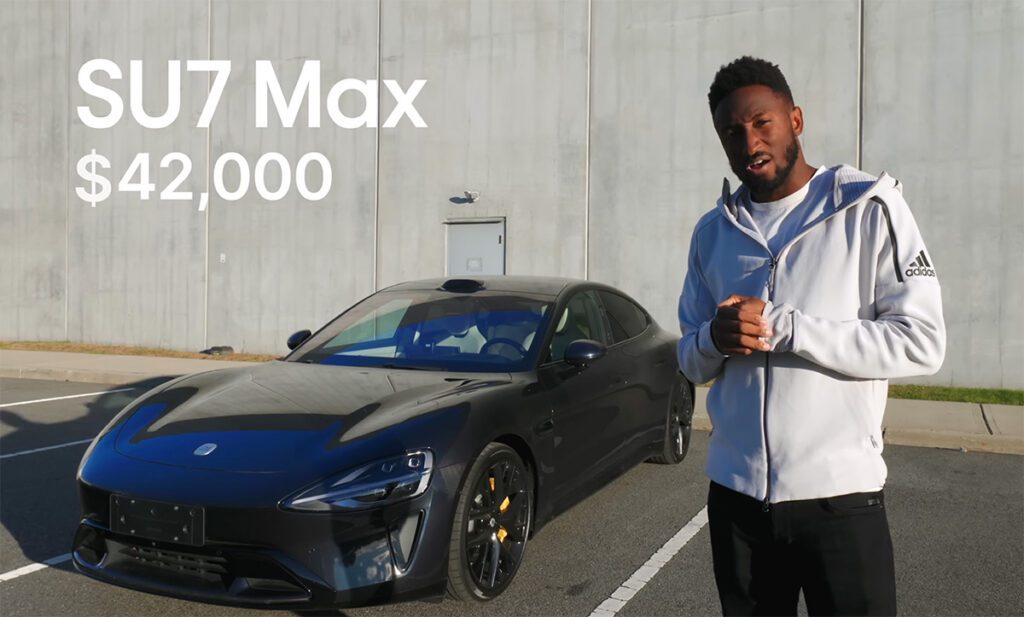
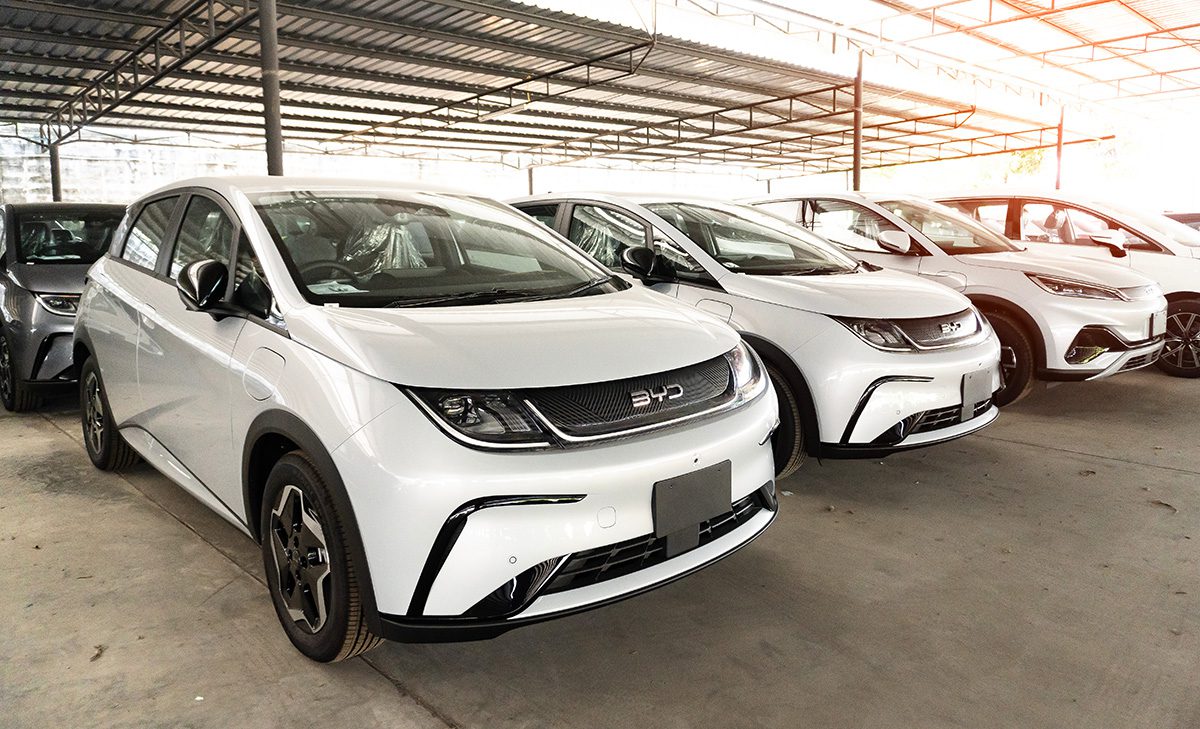
Costa Rican car buyers can choose from a huge selection of Chinese brands, including BYD, Geely, MG and dozens of others. At least three electric models are available for less than $20,000. Imported Chinese cars (including EVs, hybrids and fossil-burners) account for more than a third of the Costa Rican car market, according to car dealership chain Grupo Purdy. Toyota remains the most popular brand, but its market share is sliding. Teslas are scarcely to be seen.
Charger compatibility issues are emerging as a roadblock. Some Chinese EVs are shipped with Chinese-standard connectors that require adapters to work with the CCS chargers used in the US and Europe. One EV driver told the Times that he was happy to see multiple public EV chargers along a busy route that connects San José to the Pacific coast, but puzzled that the plugs were designed for European models that few Costa Ricans buy.
It’s not only passenger cars that are electrifying. Costa Rican grocery chain Auto Mercado told the Times that it has cut the cost of making deliveries by 5 to 10 percent since switching to electric vans from BYD and Maxus, a division of Chinese automaker SAIC.
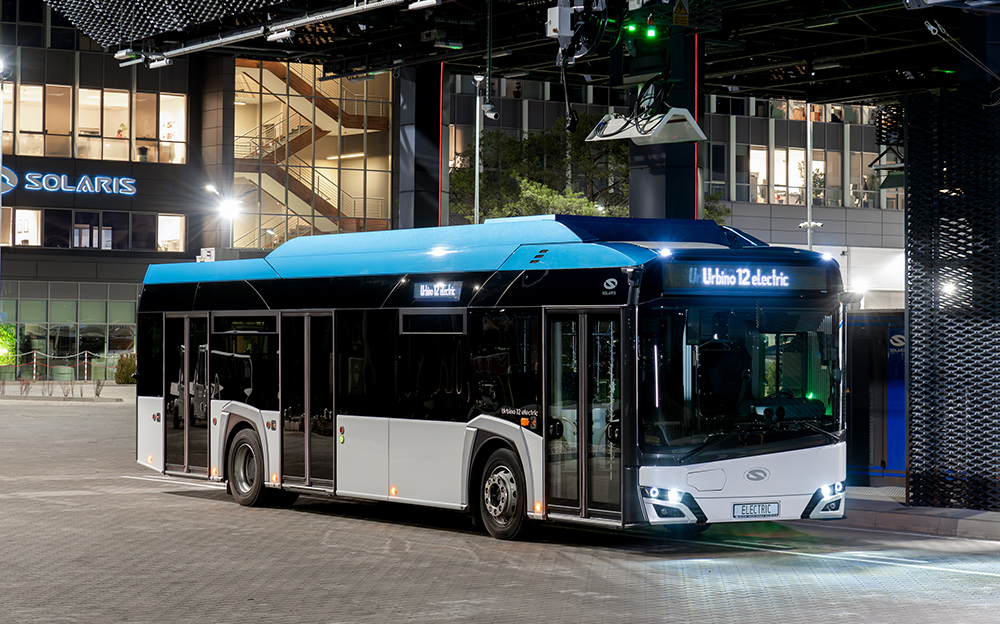
Biusa, a private bus company, is replacing its entire 60-bus fleet with battery-powered models made by King Long, a Chinese brand. The electric models cost $50,000 more than legacy diesels, but the company expects to quickly recoup the difference in fuel and maintenance savings. A Biusa executive told the Times that ridership has increased because passengers like the quiet ride and superior air-conditioning.
Source: New York Times
Image: TECHNOLOGY FACTORY – stock.adobe.com



















 EV Engineering Webinars & Whitepapers




 EV Tech Explained