


Electric city buses have reached critical mass in Europe, Transport and Environment reports. Sixty percent of new EU city buses ordered in 2025 were electric (56% battery-electric and 4% fuel cell). At the current rate of growth in sales, all new city buses are expected to be electric by 2028.
A variety of OEMs from European and Asian countries (including Daimler, Scania, Vinfast, Yutong, Temsa, Irizar, Solaris and more) are delivering city buses and motorcoaches.
Austrian carrier Blaguss deploys 12 Yutong electric coaches
Austrian transport operator Blaguss introduced 12 battery-electric coaches from Chinese OEM Yutong. The company recently conducted a six-month pilot of vehicle-mounted solar systems, and estimated the payback period at around 18 months.
Blaguss has been gradually introducing electric buses into its operations starting in 2024. In 2025, the company added electric hop-on/hop-off buses for tourist services in Vienna.
Temsa delivers 15 electric buses in Kaunas, Lithuania
Turkish commercial vehicle manufacturer Temsa has delivered 15 MD9 electriCITY electric buses to public transport operator UAB Kautra in Kaunas, Lithuania. Further scheduled deliveries will bring Temsa’s Lithuanian e-bus fleet to 321 units.
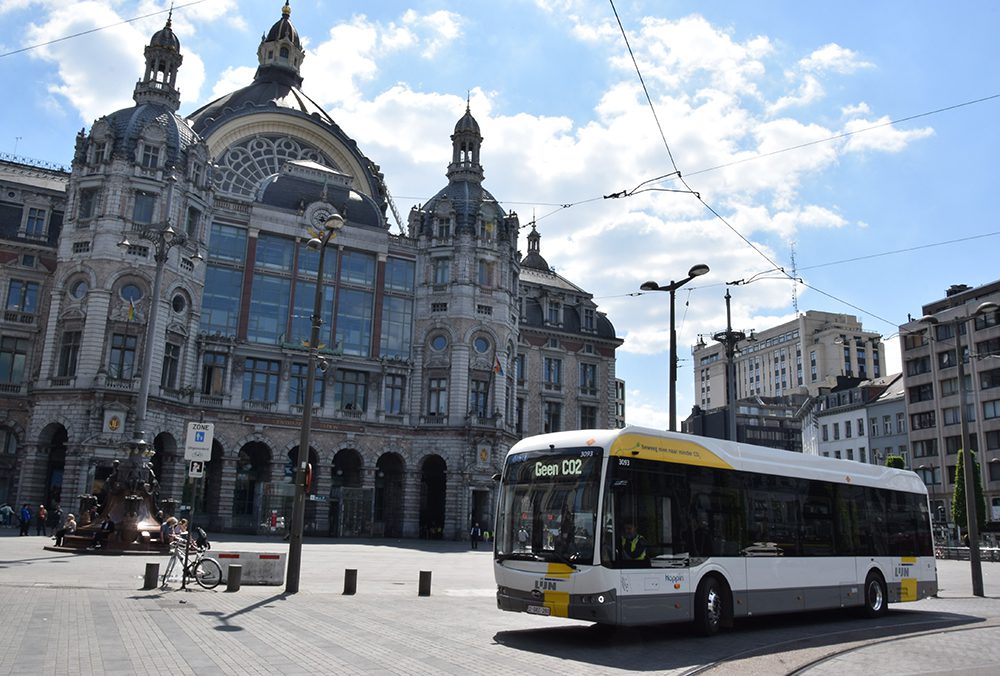
Flemish transport agency deploys its 1,000th electric bus
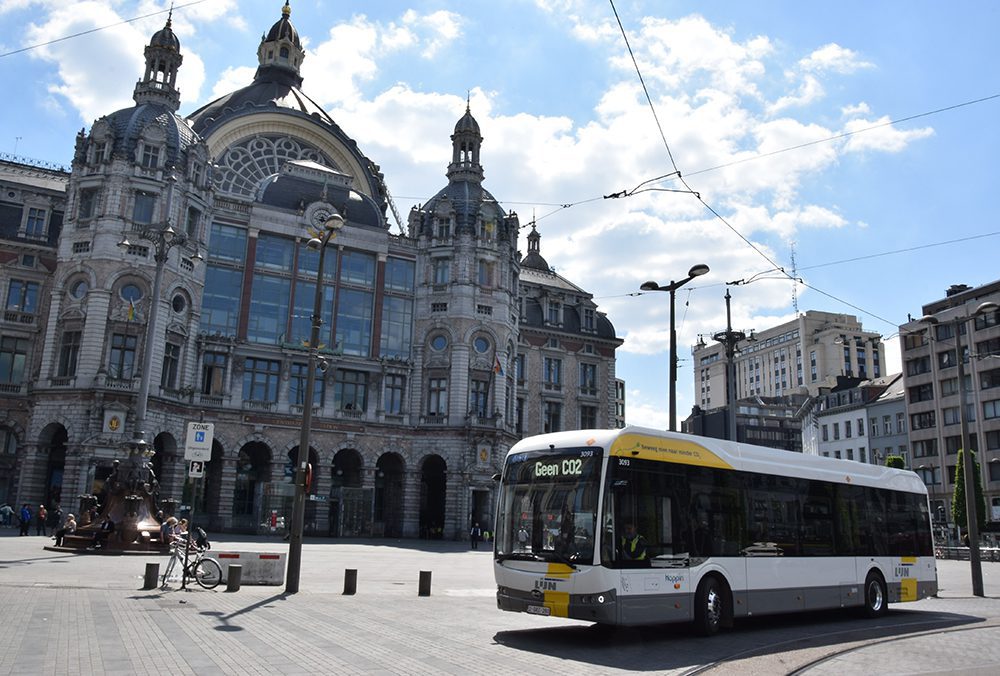
Transport agency De Lijn, which serves the Flanders region of Belgium, has commissioned its 1,000th electric bus, and is steadily ordering more. In 2025, De Lijn ordered more than 650 new e-buses, which will be deployed in phases in the coming years.
By 2035, the company plans to phase out diesel buses entirely. This will require a fleet of 3,800 e-buses, representing major investments not only in new vehicles, but also in charging infrastructure, energy supply, software, training and maintenance.
Three hydrogen buses join 203 battery-electric buses in Sardinia’s capital
Cagliari, the capital of the Italian island of Sardinia, has deployed 3 Solaris Urbino 12 Hydrogen buses. Transport agency CTM Cagliari now operates 236 electrified vehicles, including 203 battery-electric buses, 30 trolleybuses and the 3 new fuel cell buses, which will operate on longer suburban routes.
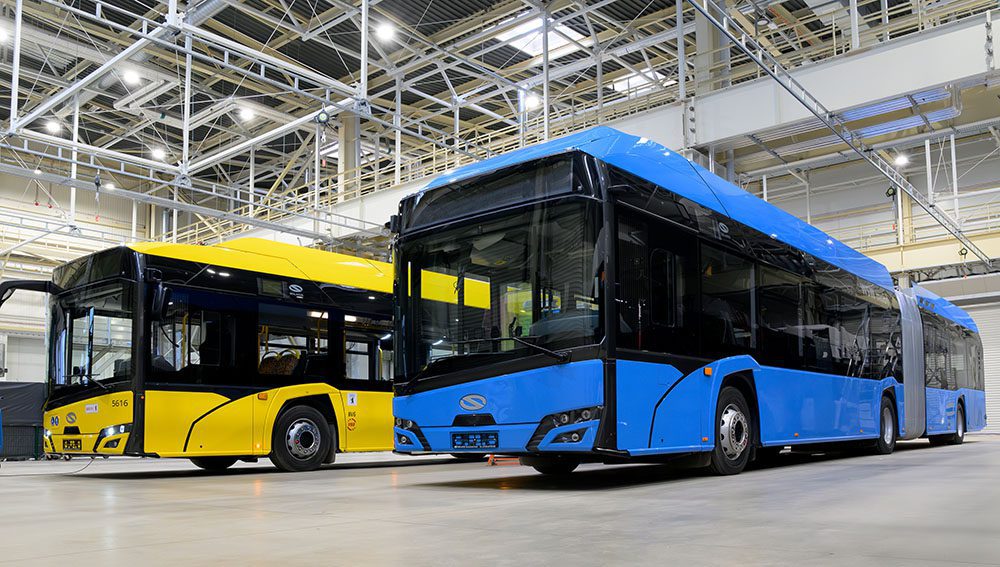
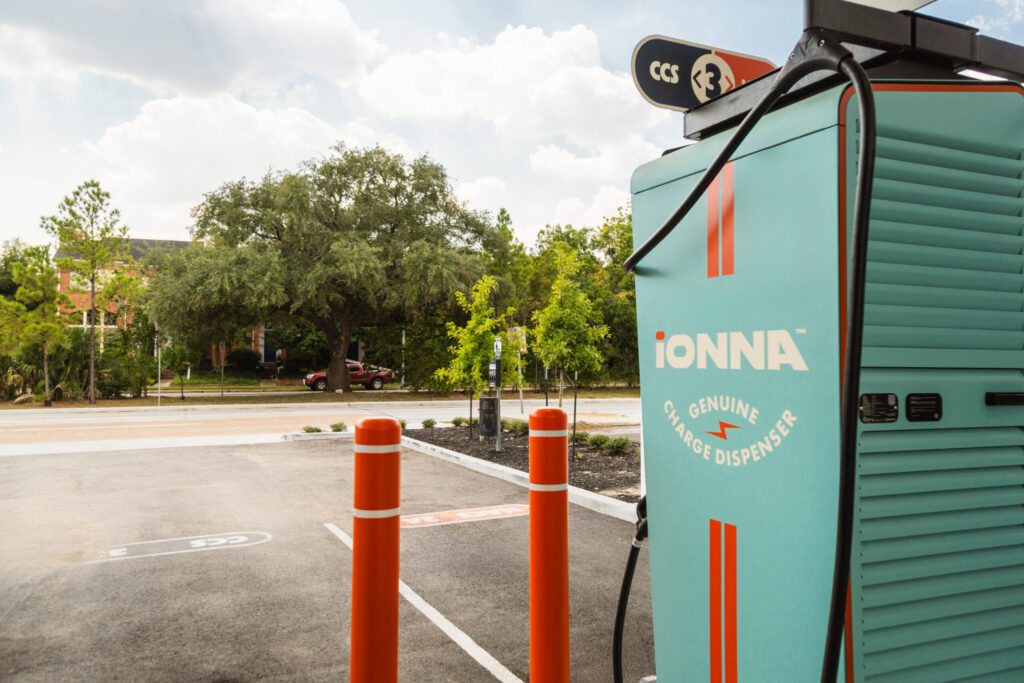
The fleet’s charging network includes 50 Level 2 charging systems and 22 DC fast charging systems. The agency aims to operate a fully zero-emission urban fleet by 2030.
England and Scotland fund hundreds of new electric buses
The UK government, which has sometimes been criticized for directing the lion’s share of support to London and the Southeast, recently authorized a major funding package for electric buses to be deployed in several English districts.
The new funding includes £73.2 million from the UK government and £94 million from operators and local authorities, bringing total investment to over £167 million. The dosh will be used to procure some 484 zero-emission buses, as well as charging infrastructure.
Not to be outdone, Scotland approved £45 million in new funding to support the deployment of 334 zero-emission vehicles (227 buses and 107 coaches) along with associated charging infrastructure. Fleet operators will collectively contribute over £163 million, and public funding complemented by private investment contributions will come to over £118 million.
Aurora grid connections enable Stagecoach to charge over 1,300 electric buses in the UK
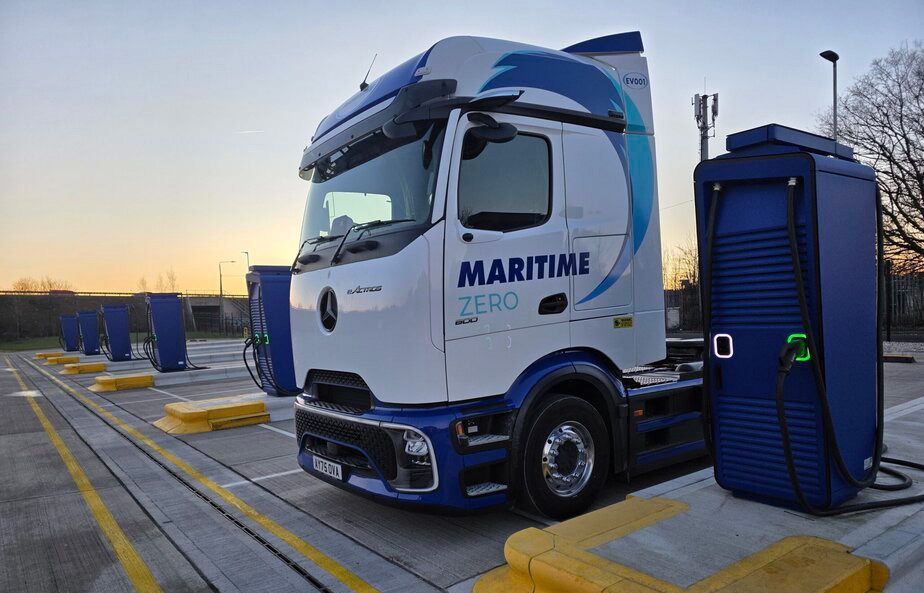
Aurora Utilities has electrified some 17 bus depots belonging to bus operator Stagecoach across England and Scotland. Aurora, acting as an independent distribution network operator, will operate the grid connections required to supply high-capacity bus charging infrastructure at the depots.
The company says the upgraded energy capacity now supports around 1,330 electric buses, equal to around 16 percent of Stagecoach’s total UK fleet.
Sources: Transport and Environment, Sustainable Bus

















 Webinars & Whitepapers














 EV Tech Explained