
Several EV manufacturers have branched out into the stationary battery biz, including Tesla and BYD. Now that the data center bubble is puffing up at an impressive (or alarming) rate, beaucoup businesses are bounding onto the battery bandwagon.
Automakers are better qualified than most to address this market. The latest to jump onboard is Ford, which has created a new wholly owned subsidiary, Ford Energy, to provide battery energy storage systems (BESS) for utilities, data centers and large industrial and commercial customers in the US.
Ford has been preparing for the launch for “the better part of a year,” securing supply chains and repurposing manufacturing sites. The company plans to invest some $2 billion to develop the new business (presumably in addition to the billions of bucks that it invested through the BlueOval SK venture).
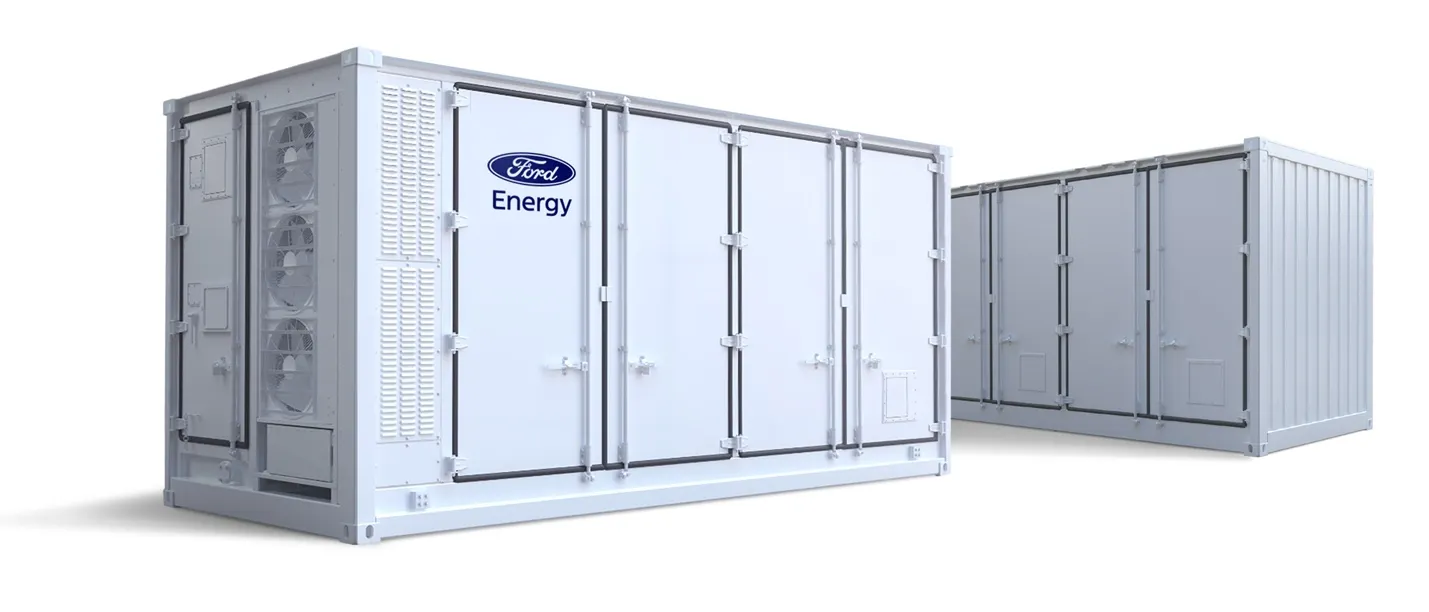
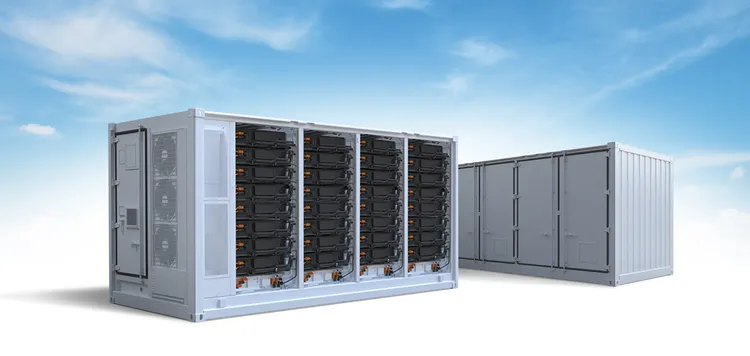
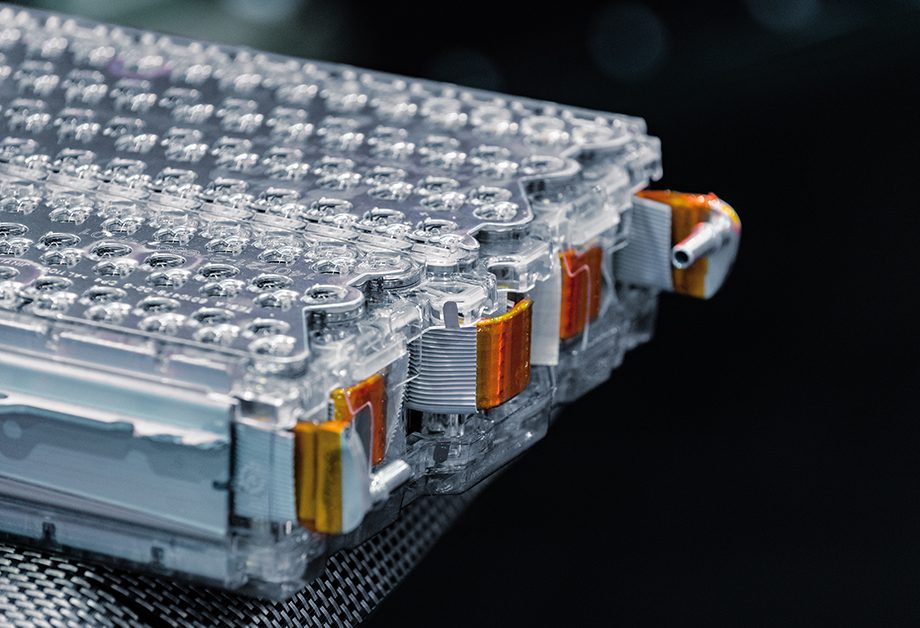
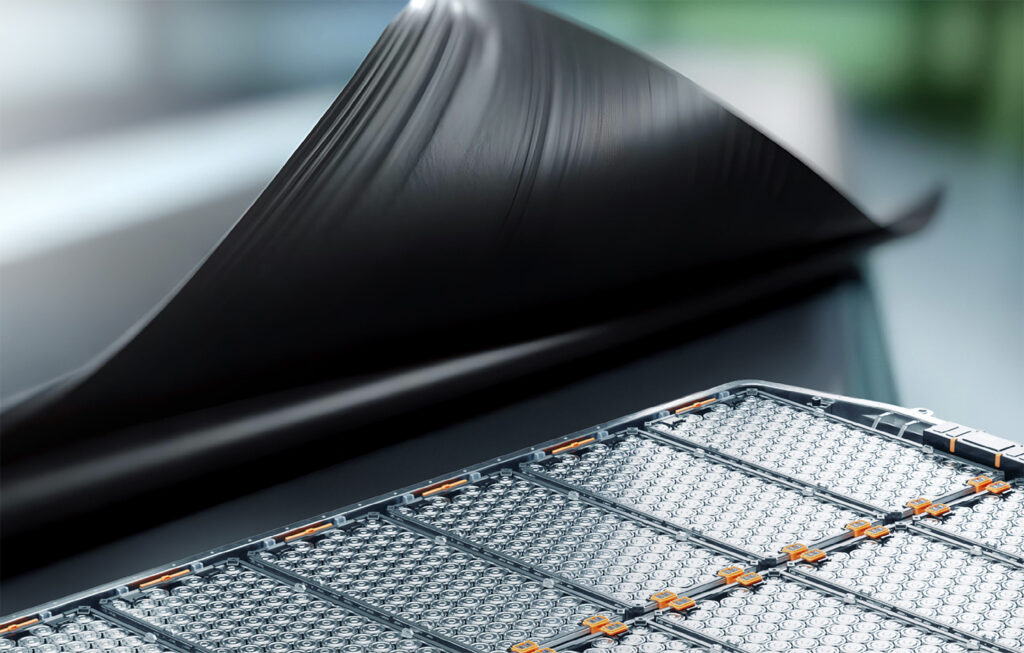
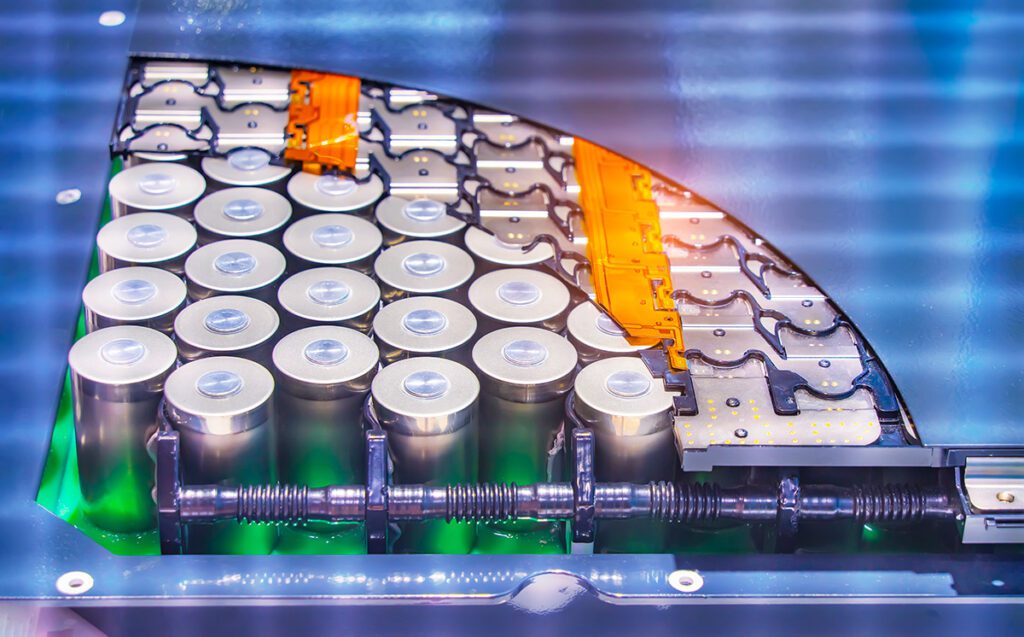
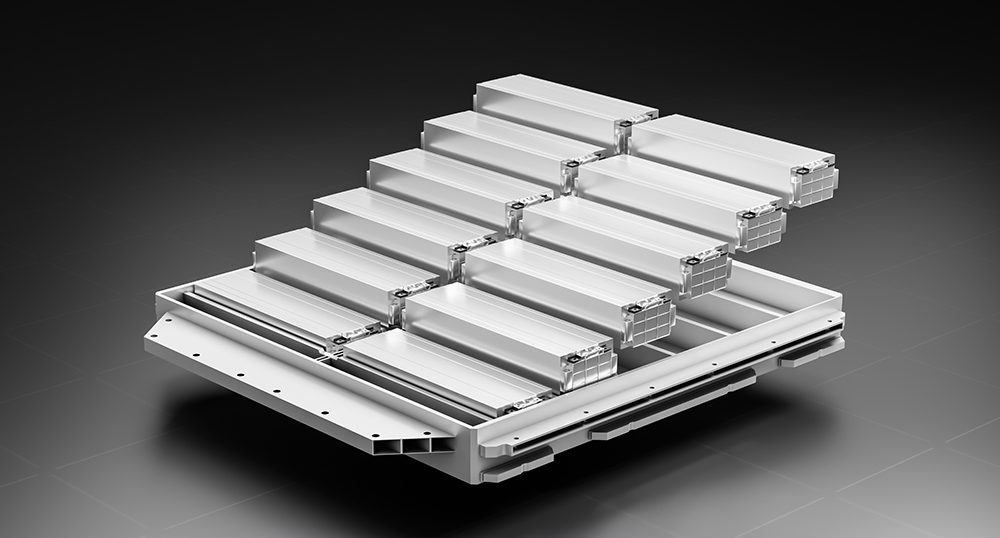
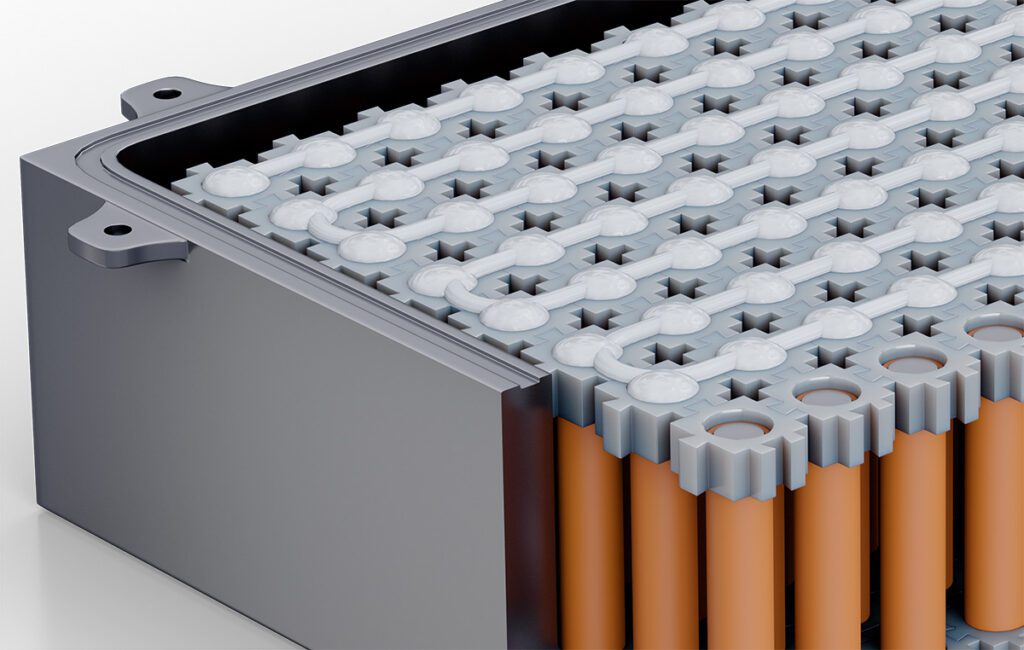
Ford Energy’s flagship product, the Ford Energy DC block, is a standardized 20-foot containerized battery energy storage system designed around 512 Ah LFP prismatic cells. Ford will offer two configurations: the FE-250 (a two-hour system) and the FE-450 (a four-hour system). Both integrate LFP prismatic battery technology, liquid-cooled thermal management and a battery management system.
Ford will repurpose its abandoned battery manufacturing plant in Glendale, Kentucky. Ford Energy plans to deploy at least 20 GWh annually (which, as Electrek notes, is about half of Tesla’s planned Megapack production), and aims to make its first customer deliveries in late 2027.
Ford certainly has industrial and corporate assets to bring to the BESS table. “Utilities and developers need storage systems they can finance, insure and depend on for decades. They need suppliers who will be there in year 10 to honor a warranty claim,” the company correctly points out. “Ford has manufactured at industrial scale for more than a century.”
The data center boom is terrible news for the global climate and for local communities. If it proves to be a bubble, it will be a disaster for the US economy, but if it lasts, it could be good news for Ford and other legacy auto OEMs. As the ICE vehicle market dwindles, US brands may increasingly abandon global auto markets to China. For Ford and other automakers that have chosen not to compete in the EV market, building batteries for data centers could be a way for them to repurpose their massive factories, and someday to pivot to a new product mix if and when their automotive business fizzles.
Source: Ford Energy
















 EV Engineering Webinars & Whitepapers


 EV Tech Explained