



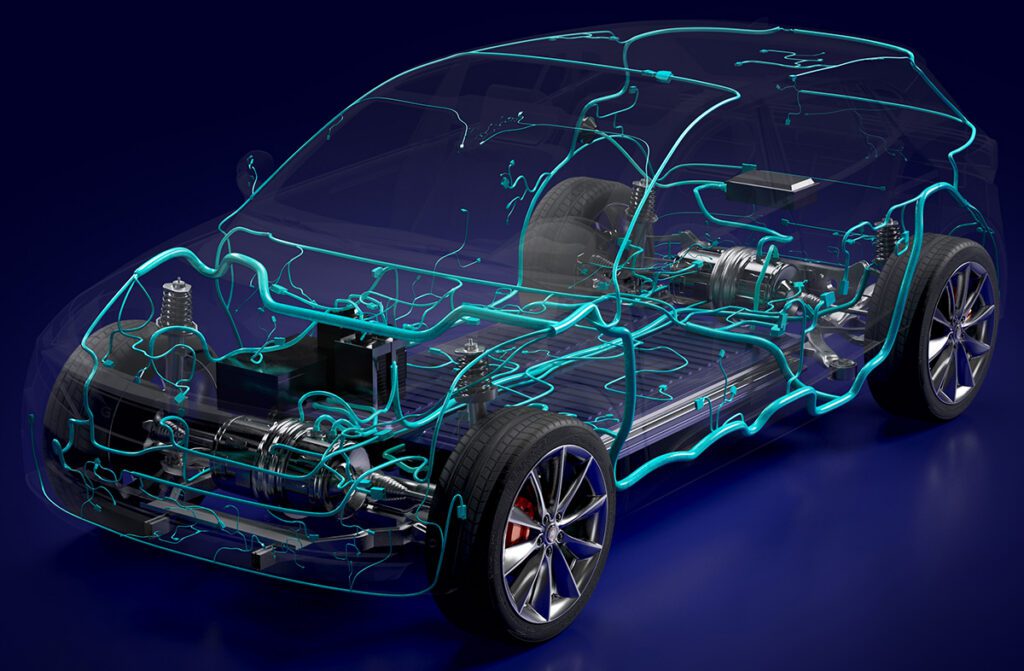
As EV battery systems evolve towards higher voltages, greater energy density, and more demanding safety requirements, traditional isolation approaches are increasingly challenged during severe fault events. When short circuits, crashes or control system failures occur, protection systems must respond in milliseconds to prevent escalating risks.
In this webinar, Sensata will explore how active and passive isolation strategies can be combined to create more robust battery protection architectures. We’ll examine the trade-offs between active, passive and hybrid approaches. This includes their impact on safety, redundancy, validation effort and system resilience.
Attendees will also gain practical insights into emerging EV battery safety design principles and learn how layered isolation strategies can strengthen protection across a broader range of real-world fault scenarios.
Key takeaways from this webinar include:
- Understand why next-generation EV architectures require faster, more autonomous battery isolation strategies
- Evaluate the strengths and limitations of active, passive, and hybrid isolation approaches under severe fault conditions
- Identify potential safety gaps that can emerge when protection systems rely on a single isolation method
- Explore emerging design principles for improving battery safety, redundancy, and system robustness
- Gain a system-level perspective on how layered isolation strategies can enhance protection across real-world fault scenarios.
Join us on Tuesday, July 14th at 10.30am EDT
Register now, it’s free



















 EV Engineering Webinars & Whitepapers








 EV Tech Explained