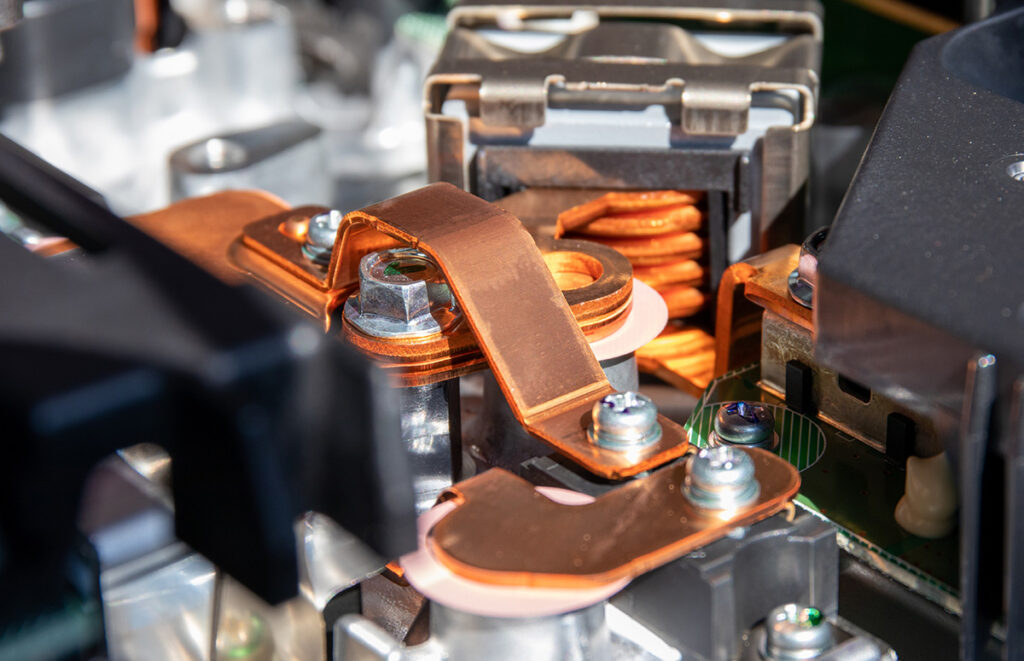





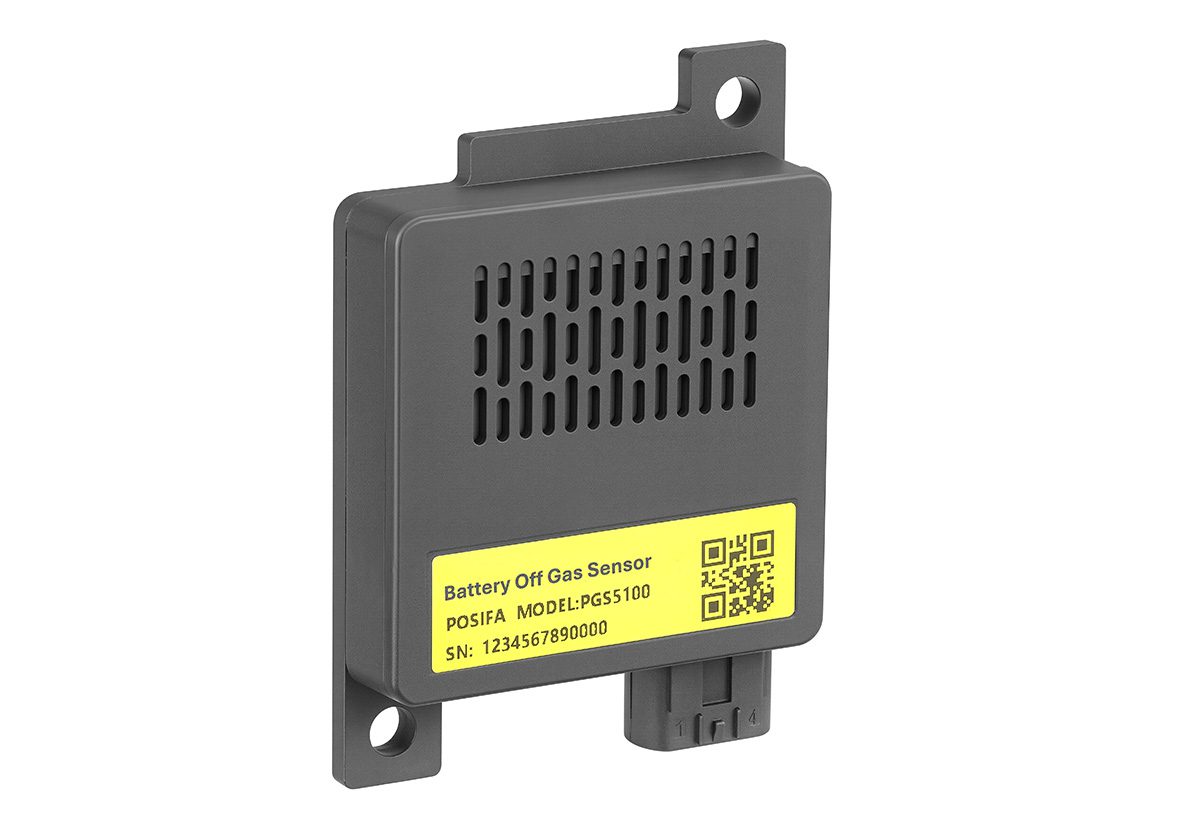
Posifa Technologies has introduced the PGS5100 Series, MEMS-based thermal conductivity hydrogen sensors designed for early-warning detection inside EV battery packs and fuel cell systems. The sensors are 10x faster than the previous PGS4100 series, cover a 0–25% hydrogen concentration range and are rated for more than 15 years of service life.
Hydrogen appears during the initial off-gas stage of a thermal event—before heat escalation and ignition—giving control systems time to trigger mitigation and occupants time to react. The PGS5100 measures hydrogen concentration by detecting changes in the thermal conductivity of the gas mixture. Integrated humidity and barometric pressure sensors compensate for environmental variation across temperature, altitude and humidity ranges. The sensors are condensation-resistant and non-reactive to contaminants—two common failure modes for catalytic hydrogen sensors in enclosed battery pack environments.
Specifications: 100 ms response time, 200 ms warm-up, 5 V supply, 50 mW typical average power. Communication is via MODBUS-RTU/RS-485, with CAN support planned. The IP6K9-rated housing uses an automotive-grade connector.
“Thermal runaway isn’t always instantaneous. In many EV battery events, hydrogen appears during the early venting phase—minutes before ignition,” said Peng Tu, President and CEO of Posifa. “The PGS5100 is built to detect that hydrogen signal reliably inside the pack, helping OEMs trigger mitigation and give occupants more time to react, without the lifetime limitations of catalytic sensors.”
Samples and production quantities are available now.
Source: Posifa Technologies




















 EV Engineering Webinars & Whitepapers







 EV Tech Explained