





Electric vehicles are becoming integrated more and more in a variety of settings, including in neighborhoods with low-speed vehicles. Unlike traditional golf carts, these EVs can be a sustainable way to improve operational efficiency and boost resident satisfaction while offering the same transportational convenience. On top of that, it’s a smart investment for Home Owner’s Associations (HOAs), as the units can recoup the funds relatively quickly.
The Payback of Electric Neighborhood Vehicles
Low-speed EVs for neighborhood transportation are viable because of the return on investment that you receive. A 2024 study found that 49% of EVs had a lower total cost of ownership over five years, with 19 of 41 EVs recouping their price premium within seven years.
In addition, eight of the EVs that recovered their price premium saw immediate payback because they had lower purchase prices than internal combustion engine (ICE) alternatives. Keeping this in mind makes neighborhood electric vehicles (NEVs) a worthwhile investment.
Other Benefits of Integrating Low-Speed Vehicles Into the Community
There are several other advantages to low-speed vehicles for HOAs, including reduced overall costs and improved neighborhood sustainability. It’s part of the reason why the NEV market earned $4 billion in 2025 and is expected to reach $7.4 billion in 2030. Here are several examples of the benefits.
Lowering Operational Costs
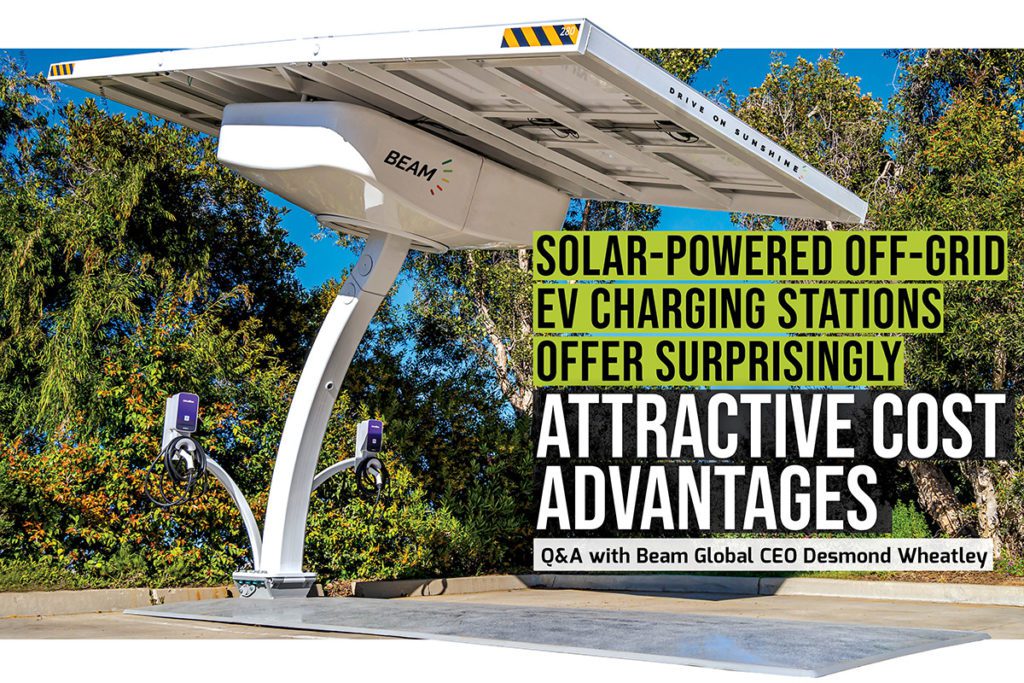
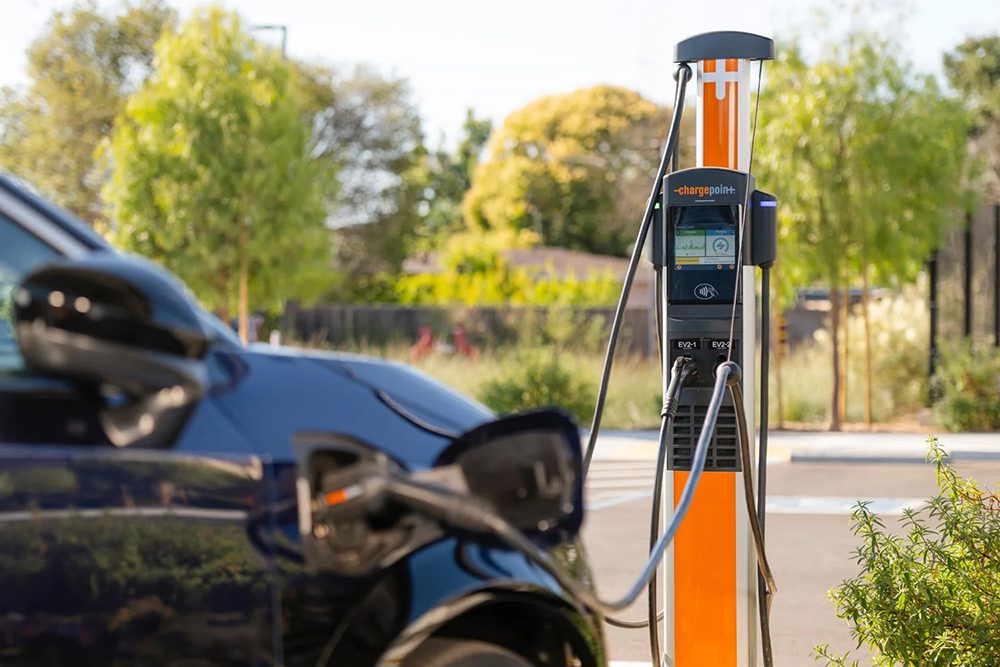
EVs can dramatically lower fuel costs and minimize maintenance expenses compared to traditional gas vehicles. There may be initial expenses, such as setting up a charging station and exploring other sustainable features, like solar-paneled roofing. However, in the long run, this kind of fleet will be more affordable to operate.
Meeting Sustainability Goals
Switching to electric power rather than gas is a key step toward improving sustainability and could appeal to modern residents in the neighborhood. HOAs can also see it as an opportunity to educate more traditional residents while continuing to serve the community.
Improving Vehicle Longevity
It’s a common misconception that EVs have a shorter and less reliable lifespan than their regular counterparts. A study found that battery-powered EVs can outlive the average ICE vehicle in the same segment. Technological developments have extended their limitations and hold the potential to exceed previous estimates.
Accessing Potential Incentives
NEVs are still a relatively new technology, but many organizations and government entities are encouraging their use due to their sustainability and financial benefits. HOAs exploring this solution can consider local or state incentives to adopt such vehicle units and charging infrastructure at more reasonable fees.
What Are the Best Low-Speed Vehicles for Community Use?
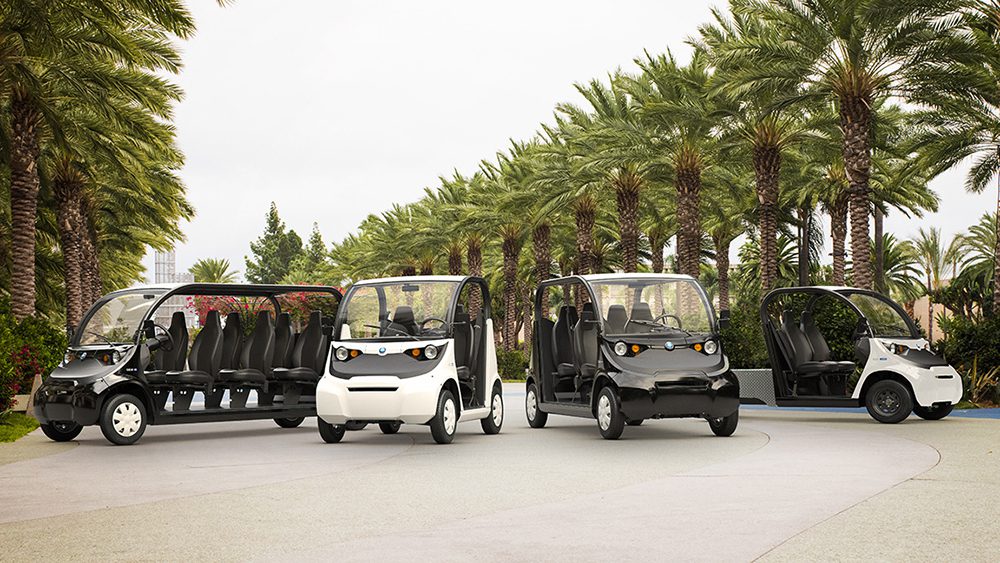
Burns Industrial Equipment has supplied small, medium and large businesses throughout western Pennsylvania, northeast Ohio and West Virginia for more than 50 years. It has all-electric GEM vehicles that offer comfort and reliability to its passengers.
HOAs can expect zero fuel costs and tailpipe emissions while transporting people around the neighborhood. Each unit is street-legal on 35 mph roads and can be configured in thousands of ways to meet your specific needs. Here are several models to choose from.
1. GEM E2
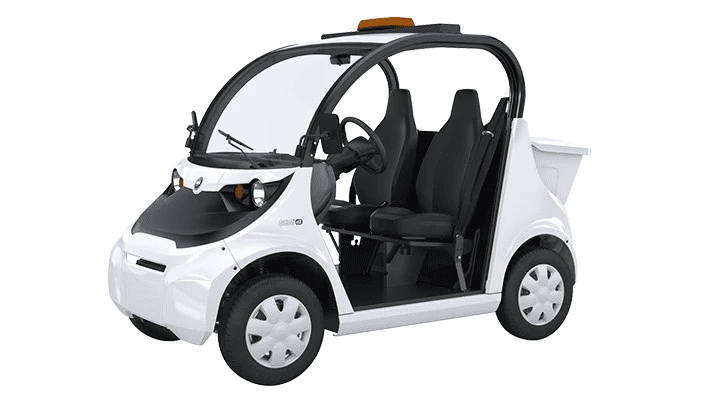
The GEM e2 operates like a premium golf cart thanks to its compact design and nimble handling. While it’s ideal for campuses and hotels, HOAs can also use it in neighborhoods with tighter turning radii and roads. It still features all low-speed vehicle requirements like running lights, headlights, brake lights, reflectors and more.
- Seating capacity: Two
- Payload: 800 pounds
- Top speed: 25 mph
2. GEM E4
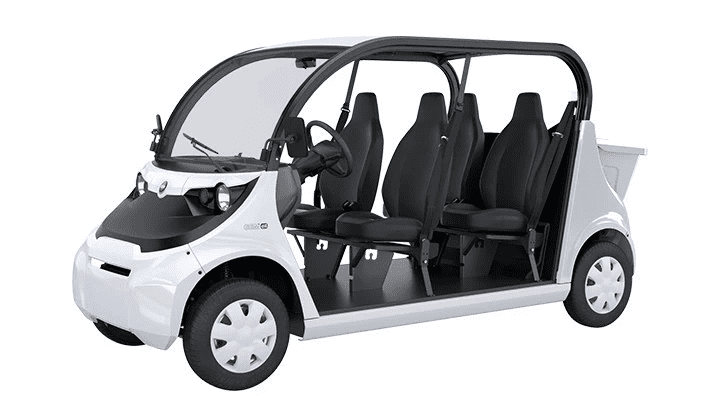
The GEM e4 is a more sophisticated model that offers more leg room, along with the superior comfort and security features of the e2 model. These are marketed for larger neighborhoods and parks. You can keep the spacious interior as is with an open-air option, or choose a more secure version with doors.
- Seating capacity: Four
- Payload: 1,150 pounds
- Top speed: 25 mph
3. GEM E6
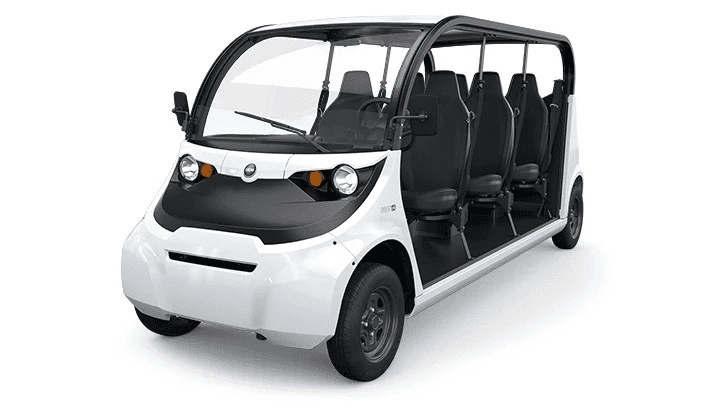
The GEM e6 is a more durable EV that can travel through rough terrain while maintaining comfort with its enhanced suspension system. It’s engineered for moving more people across a larger town or community. While it seats as many people as most cars and vans do, it has a lower cost of ownership.
- Seating capacity: Six
- Payload: 1,304 pounds
- Top speed: 25 mph
4. GEM EL XD
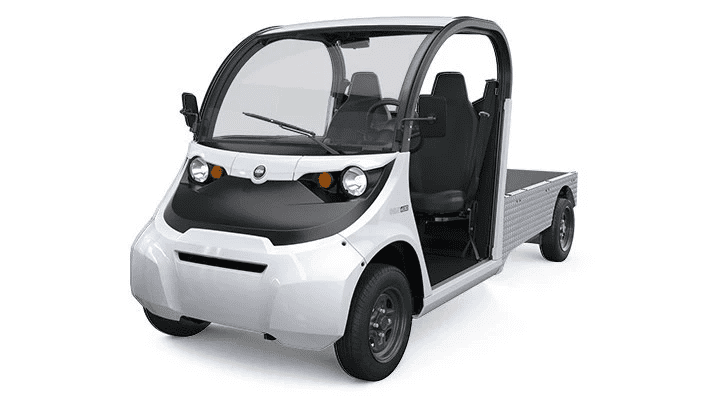
The GEM eL XD has the sturdiest build, capable of towing a variety of items with its 1,400-pound payload capacity. While it can only accommodate two people, HOAs can utilize this to collect garbage, distribute resources and much more. A variety of carrier and bed options are available for any application.
- Seating capacity: Two people
- Payload: 1,415 pounds
- Top speed: 25 mph
Frequently Asked Questions
Here are commonly asked questions to help understand logistics about adopting NEVs.
What Is the Highest Allowed Speed of an NEV?
It can depend from state to state, but most neighborhood roads allow 35 mph or less. It’s best to keep a speed of 25 mph to maximize safety and ensure compliance.
What Is the Difference Between an EV and an NEV?
NEV is just an EV variant designed for gated communities and neighborhoods. They will typically seat fewer people and have a lower top speed.
What Kind of Maintenance Do NEVs Need?
NEVs will require similar maintenance of their cooling systems and filters as regular EVs. HOAs should also ensure that these are charged properly to maintain battery health.
Can an HOA Restrict NEV Use To Certain Areas?
An HOA can impose rules on the frequency and distance that an NEV travels and parks. It just needs to meet state regulations.
Invest in Low-Speed EVs for the Neighborhood
NEVs offer an efficient and sustainable solution for moving people and cargo within neighborhoods. Burns Industrial Equipment provides a variety of low-speed GEM vehicles to safely meet the transportation needs of any community.










 Webinars & Whitepapers











 EV Tech Explained