




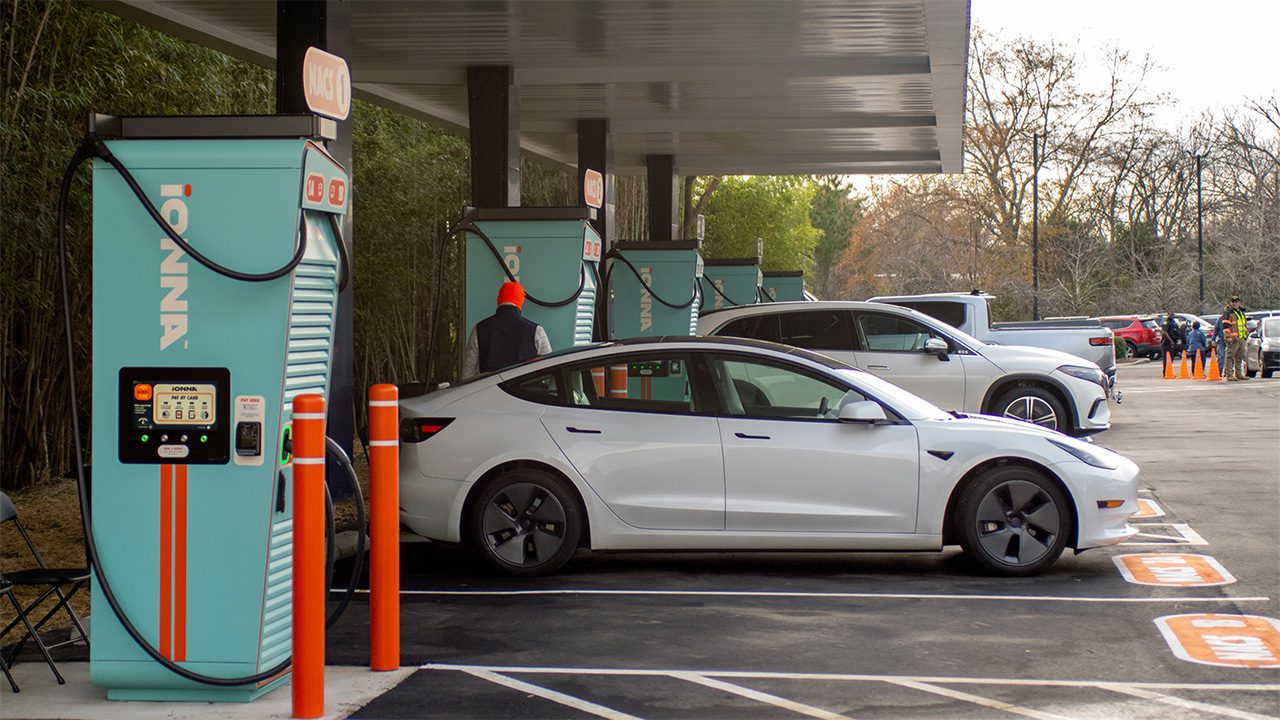
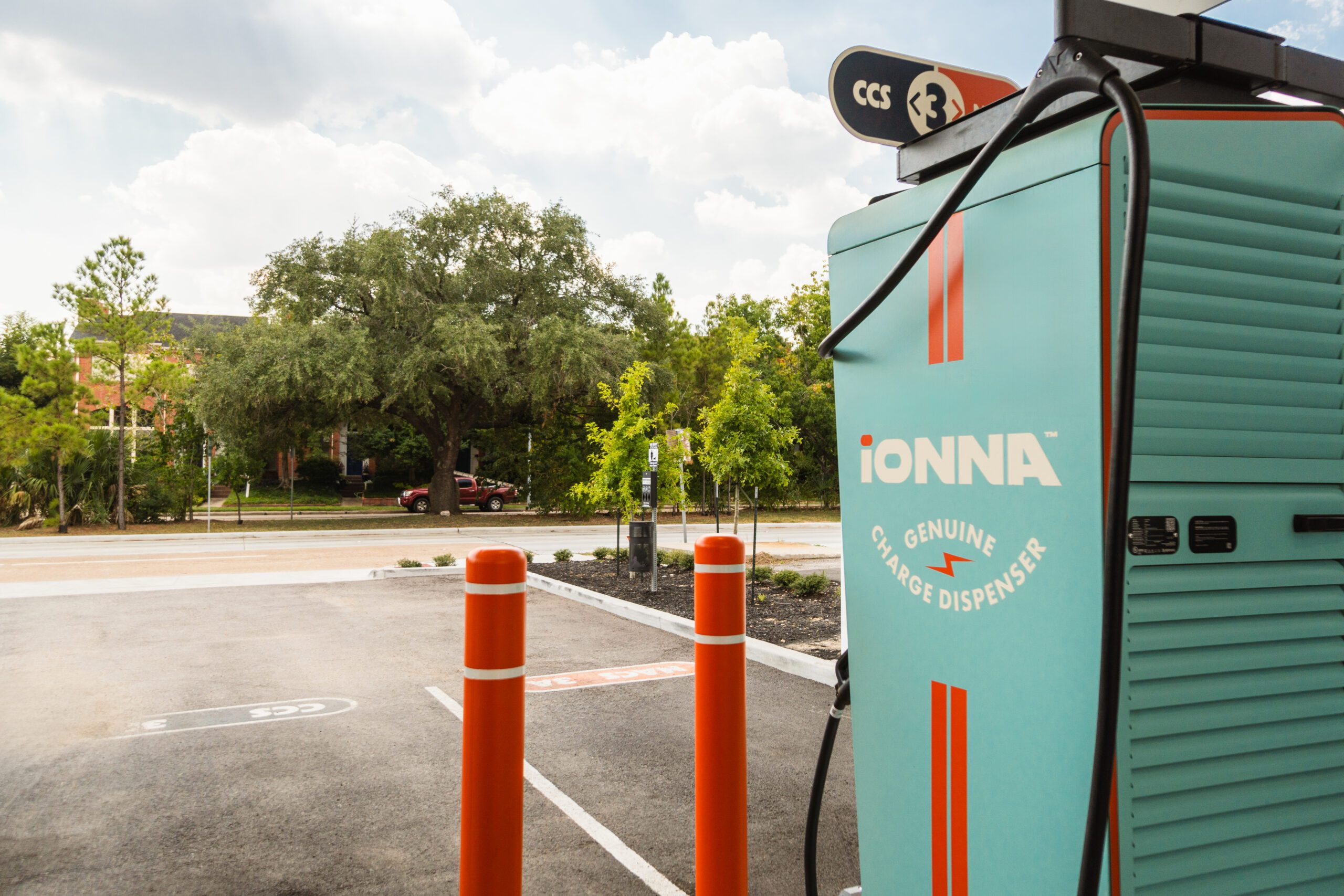
Over just a year, Ionna—the high-speed charging network backed by 8 automakers—has opened 100 sites that are reliable and pleasant. And it has 340 more in process.
Two years after the Ionna EV fast-charging network was announced, and 13 months after it officially opened its first handful of sites, it switched on its 100th site today—with another 340 already contracted and in process. Today it has just under 1,000 live charging bays, with 3,700 more in process.
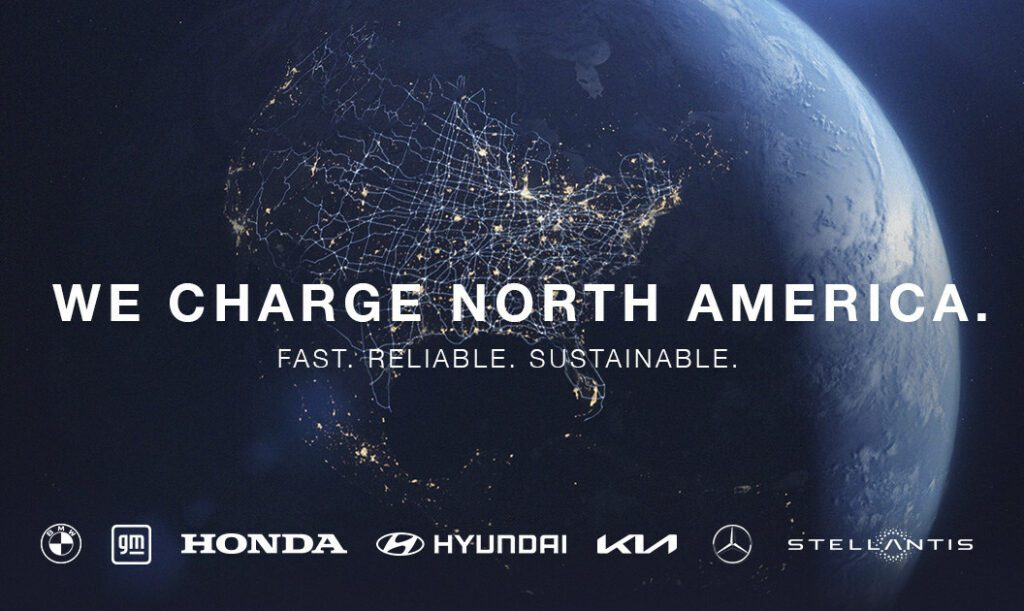
To mark that occasion, Ionna also launched new benefits that will roll out to drivers of EVs sold by the eight automakers that funded the network. Those makers are BMW, General Motors, Honda, Hyundai, Kia, Mercedes-Benz, Stellantis, and Toyota.
The first such benefit appeared two weeks ago for drivers of General Motors EVs: a 10-percent discount on all Ionna charging sessions initiated via either Plug & Charge or the appropriate app from Chevy, GMC, or Cadillac. Another founding maker will launch its own discount in March, said Ionna CEO Seth Cutler. That will be followed by a third maker in April, with the rest rolling out over the balance of the year.
Coming up: loyalty programs
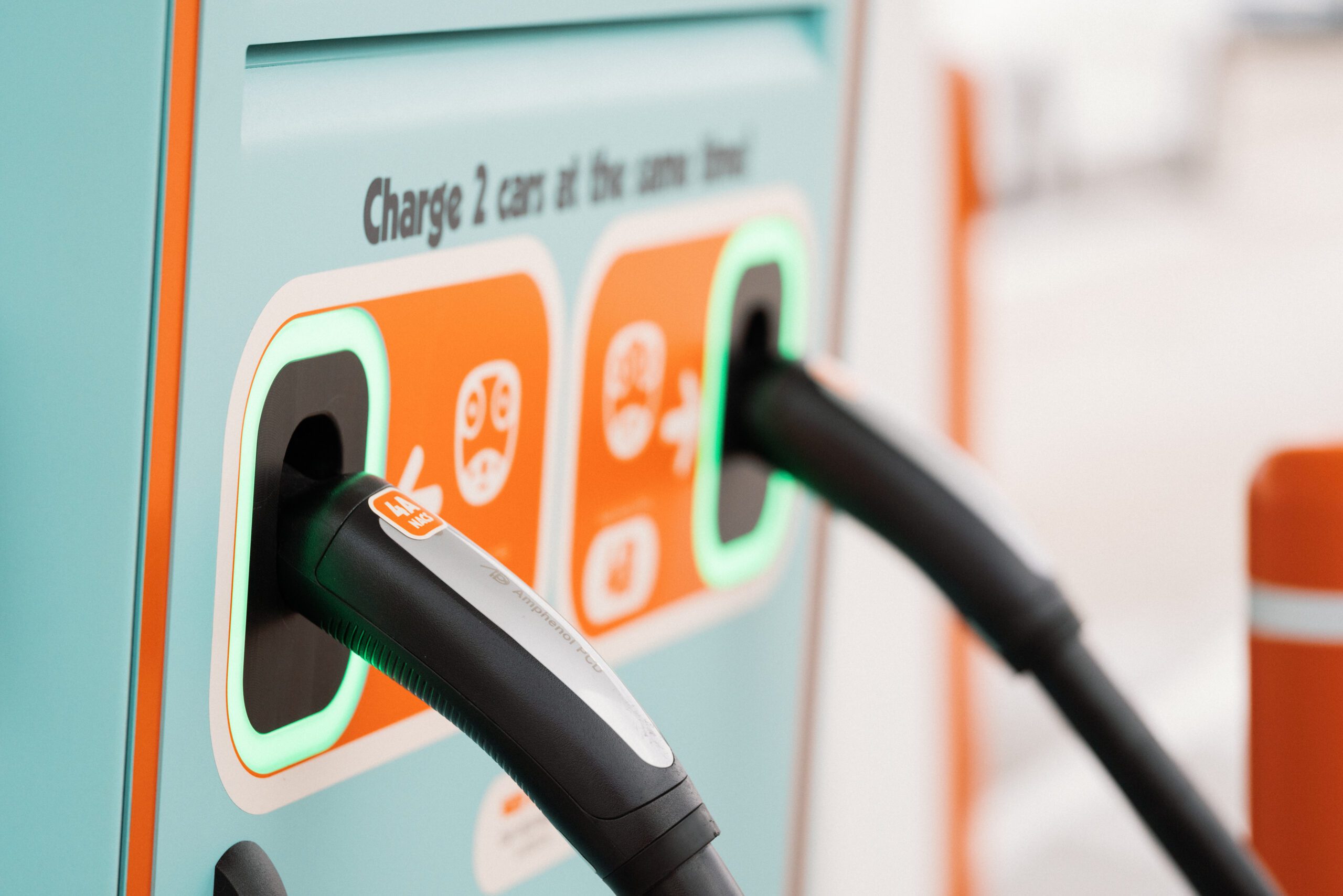
Speaking with Charged, Cutler laid out a further range of options its automaker backers can choose to provide to their EV buyers. They include charging credits for new buyers, maker-specific subscription programs, prepaid discount charging cards, and loyalty rewards for frequent use. Makers can mix and match benefits depending on which they feel best suit the needs of those customers.
While many other EV charging networks stress membership for users and offer different price tiers to members, those programs are usually limited to discounts on charging within that network. Automaker loyalty programs span a much wider range of products and services, from parts and maintenance at dealerships to discounts on vehicle purchases or leases, merchandise, and more.
Once Ionna’s eight makers have these features launched and available, Cutler said, Ionna can then assess whether its site partners—including convenience stores like Caseys, Sheetz, and Wawa—want to integrate EV charging into their own loyalty and rewards programs. Those programs can be powerful, with estimates of 40 to 60 percent of “C-Store” customers belonging to the programs, though adoption and results vary greatly,
Meanwhile, what would Cutler say to drivers of EVs from Audi, Ford, Lucid, Nissan, Rivian, Tesla, and Volkswagen—the makers who are not financial backers of Ionna? “Come and charge with us!” he responded, noting that the Plug & Charge protocol works for cars from several makers that are not its founding partners.
Reliable, pleasant experience
With a staff drawn from a variety of other charging networks and EV makers, Ionna’s goal from the start was to “right the wrongs of the past” and create an EV charging experience that was better than any competitor’s—because its automaker backers knew that was table stakes for success in selling EVs in the long term.
By and large, Ionna stations have garnered rave reviews (for instance, here and here). And anecdotally, this reporter has heard no notable complaints from EV drivers about failed charging sessions or unpleasant experiences at Ionna sites. Of course, part of that may be lack of awareness: The Ionna network is only a year old, and Cutler admits, “We don’t do a lot in marketing right now, because I’m more worried about delivering the best quality I can.”
That includes keeping stocks of spare parts around the country and, he said, occasionally putting parts in a suitcase and putting an employee on a plane to get to the site of a station to fix a problem as quickly as possible. Still, Cutler admits Ionna has been learning as it goes.
Customer complaints have included overflowing trash cans—“We’ve had a whole team focus on how to do better at trash”—and it’s had to understand local circumstances along the way. “Hey, guess what, you can’t use water-based Squeegee fluid in the middle of winter! In Minnesota, you have to use an alcohol blend, because otherwise it freezes.” Left unsaid is that most of Ionna’s competitors don’t offer squeegees, or windshield washer fluid, or air pumps, in the first place.
Canopies, another major user preference, are now in place at roughly one-third of Ionna sites, Cutler said. They generally require additional layers of permission from C-store operators, their landlords, and often local zoning authorities, whereas Ionna’s bias has been to get reliable stations up and running as fast as possible. Most of its competitors have few to zero canopies over their charging stations.
Shoutouts to utilities
In the release announcing its second anniversary and new benefits, it’s notable that Ionna lauded its electric-utility partnerships. To get its 100 locations to date up and running, it named nine utilities as “MVPs” for powering up multiple Ionna sites, some of them in multiple states. It listed a further 35 utilities that have energized single Ionna sites. With utilities often the unspoken and unmentioned partner in EV charging network publicity, it’s a move that’s both smart and gracious.
Today, Ionna’s sites are largely located in the “smile zone” along the West Coast, across the southern and central states below Interstate-80, and then up much of the East Coast. Notably Michigan and New York still lack sites, among several other larger states.
A full map of Ionna sites shows the states still lacking Rechargeries, as the company calls its sites. With 100 sites live but more than 300 to come, it’s reasonable to expect considerably more diverse locations within the year, certainly two years. Cutler told Charged the company is on track to achieve its goal of 30,000 EV charging bays by the end of 2030.
For further details of the different programs for EV drivers from each of Ionna’s backers, see:
- BMW: https://www.ionna.com/partner/bmw/
- General Motors: https://www.ionna.com/partner/general-motors/
- Honda: https://www.ionna.com/partner/honda/
- Hyundai: https://www.ionna.com/partner/hyundai/
- Kia: https://www.ionna.com/partner/kia/
- Mercedes-Benz: https://www.ionna.com/partner/mercedes-benz/
- Stellantis: https://www.ionna.com/partner/stellantis/
- Toyota: https://www.ionna.com/partner/toyota/


 Webinars & Whitepapers

 EV Tech Explained