




The most Subaru of all the brand’s EVs is visually identifiable, competent off-road and on—and lighter than competitors.
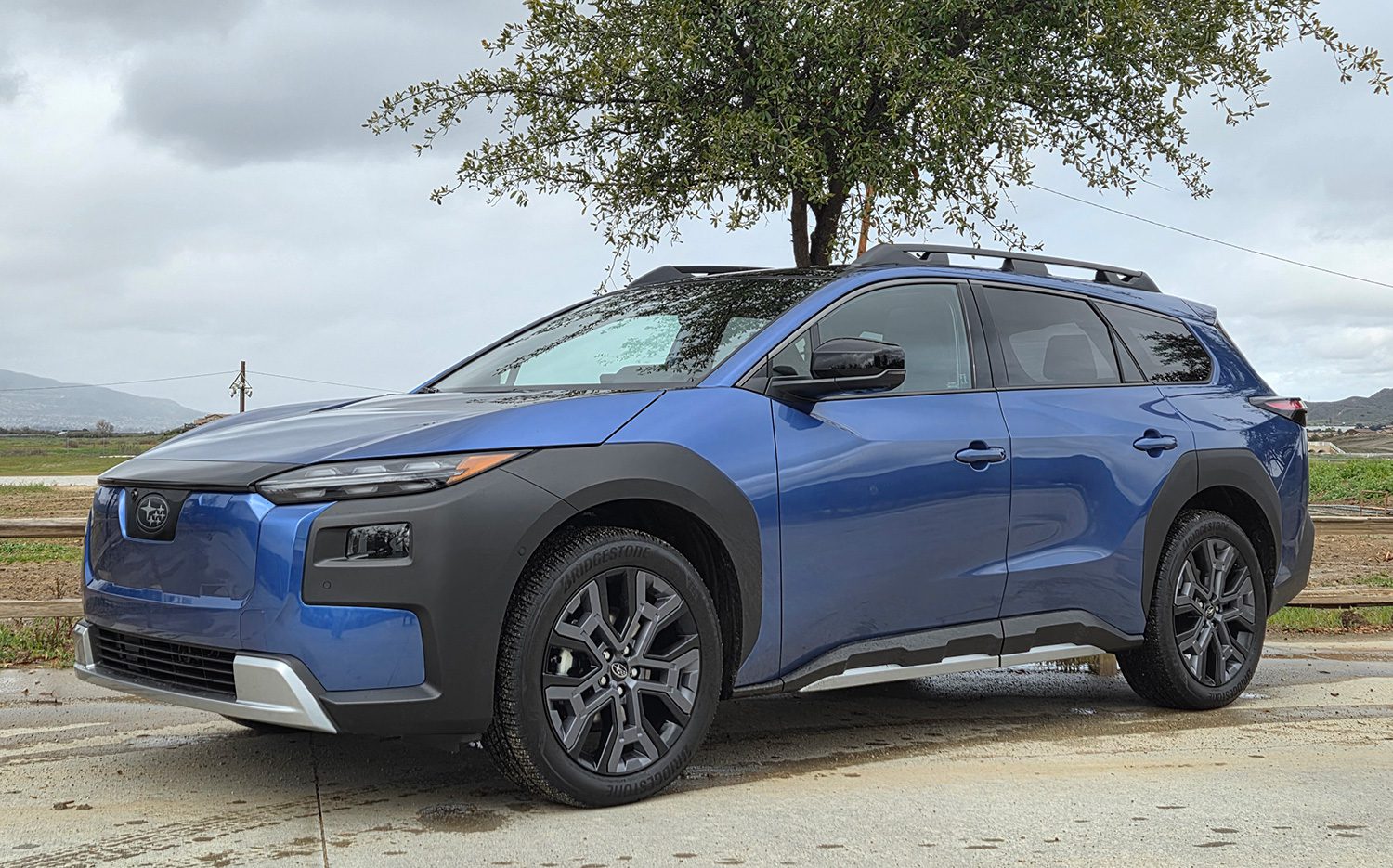
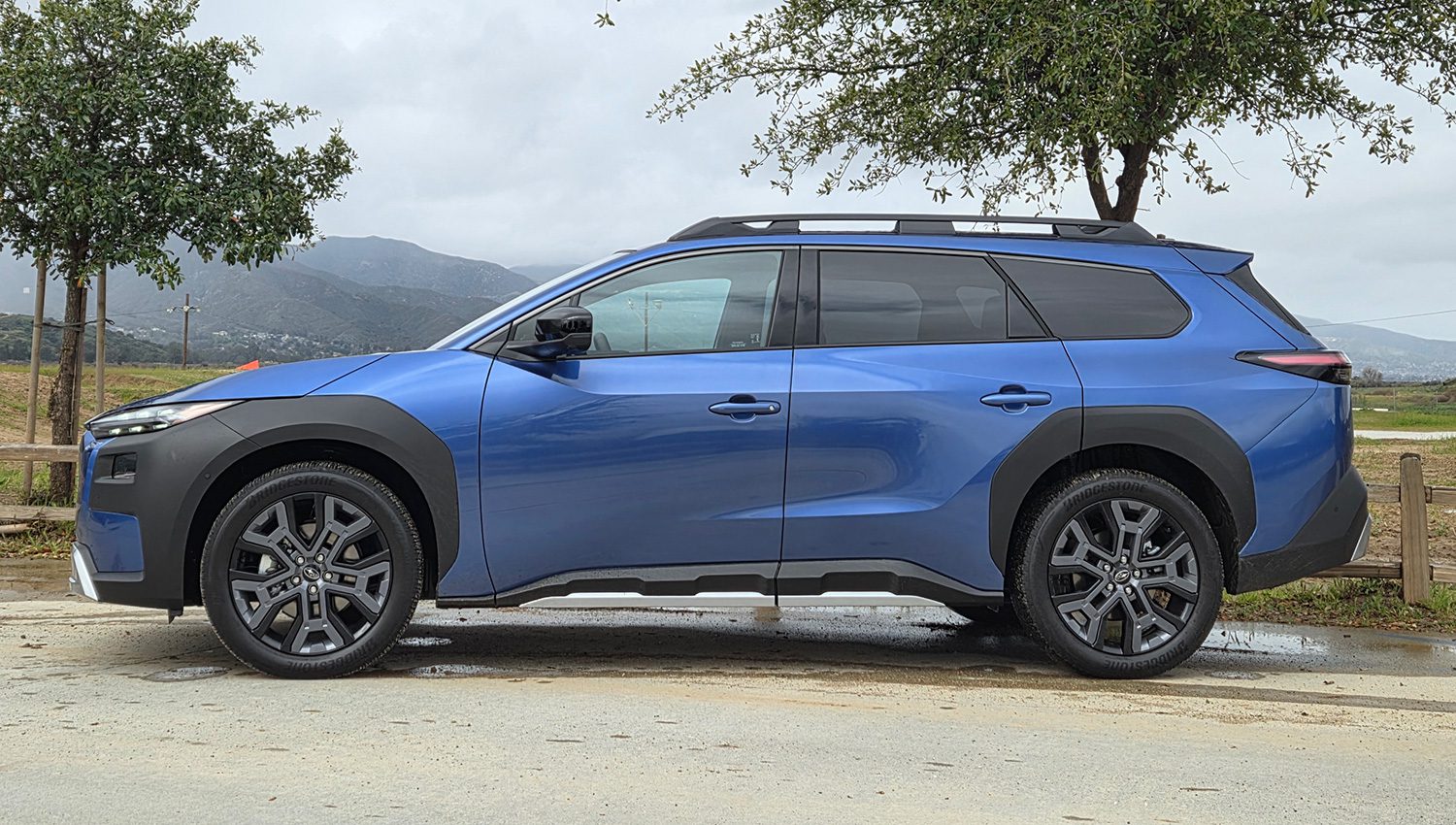
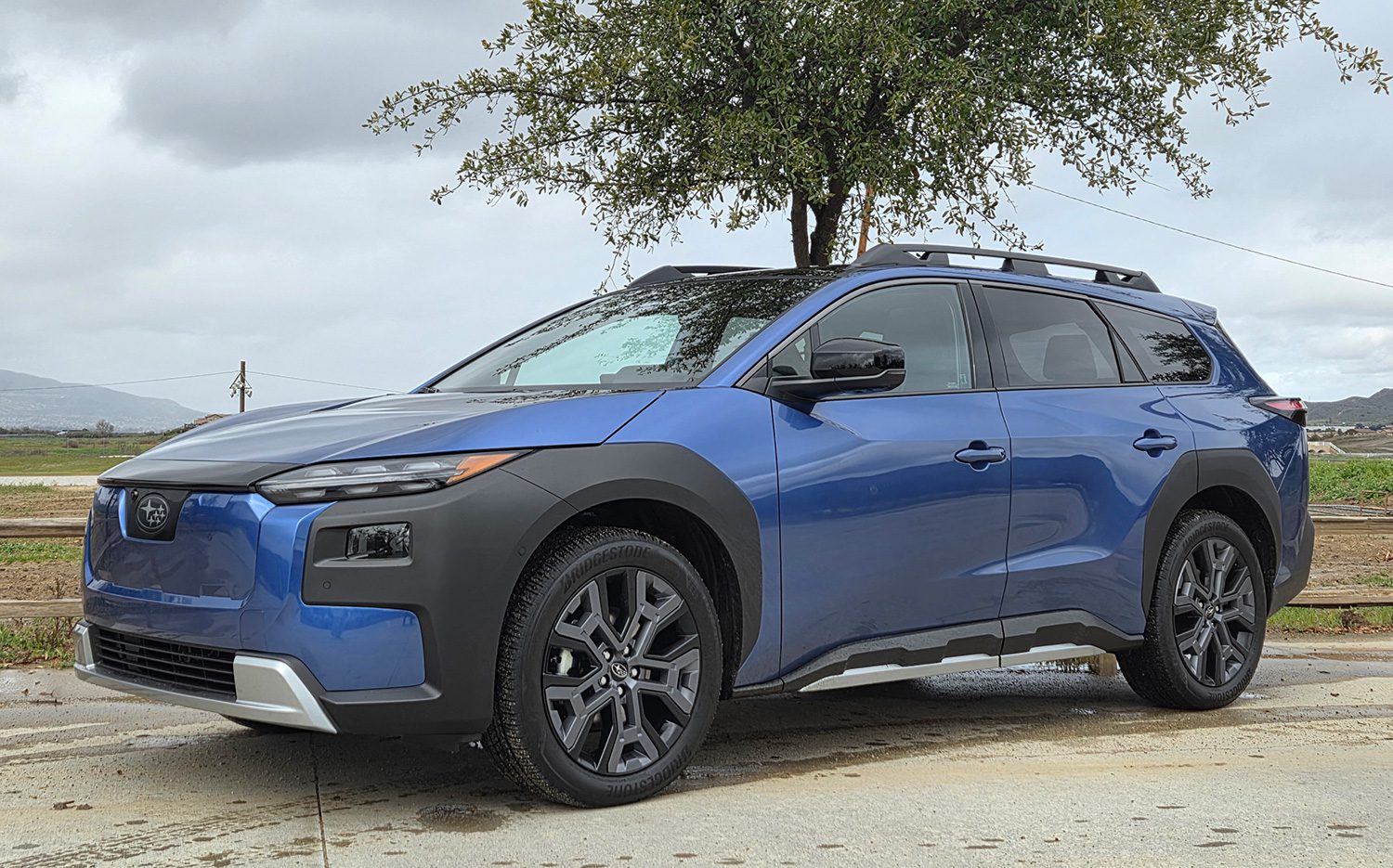
“When we showed them the side view, without any badges, and asked them what brand it was, everyone said, ‘It’s a Subaru!’,” said Garrick Goh. He’s the car line planning manager for the 2026 Subaru Trailseeker, the third of Subaru’s three battery-electric models. It’ll go on sale within several weeks as, he said, “the most Subaru of all our EVs.”
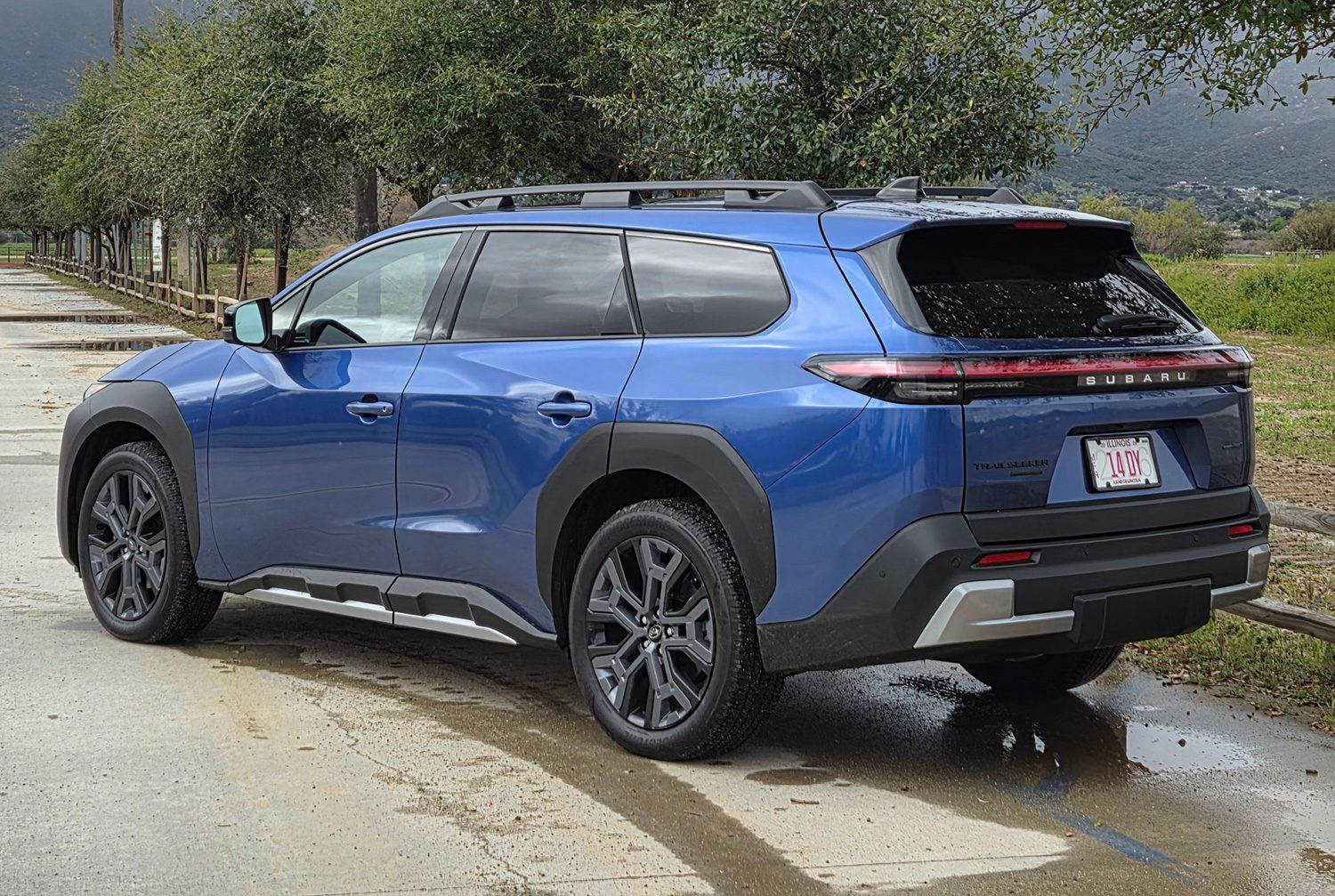
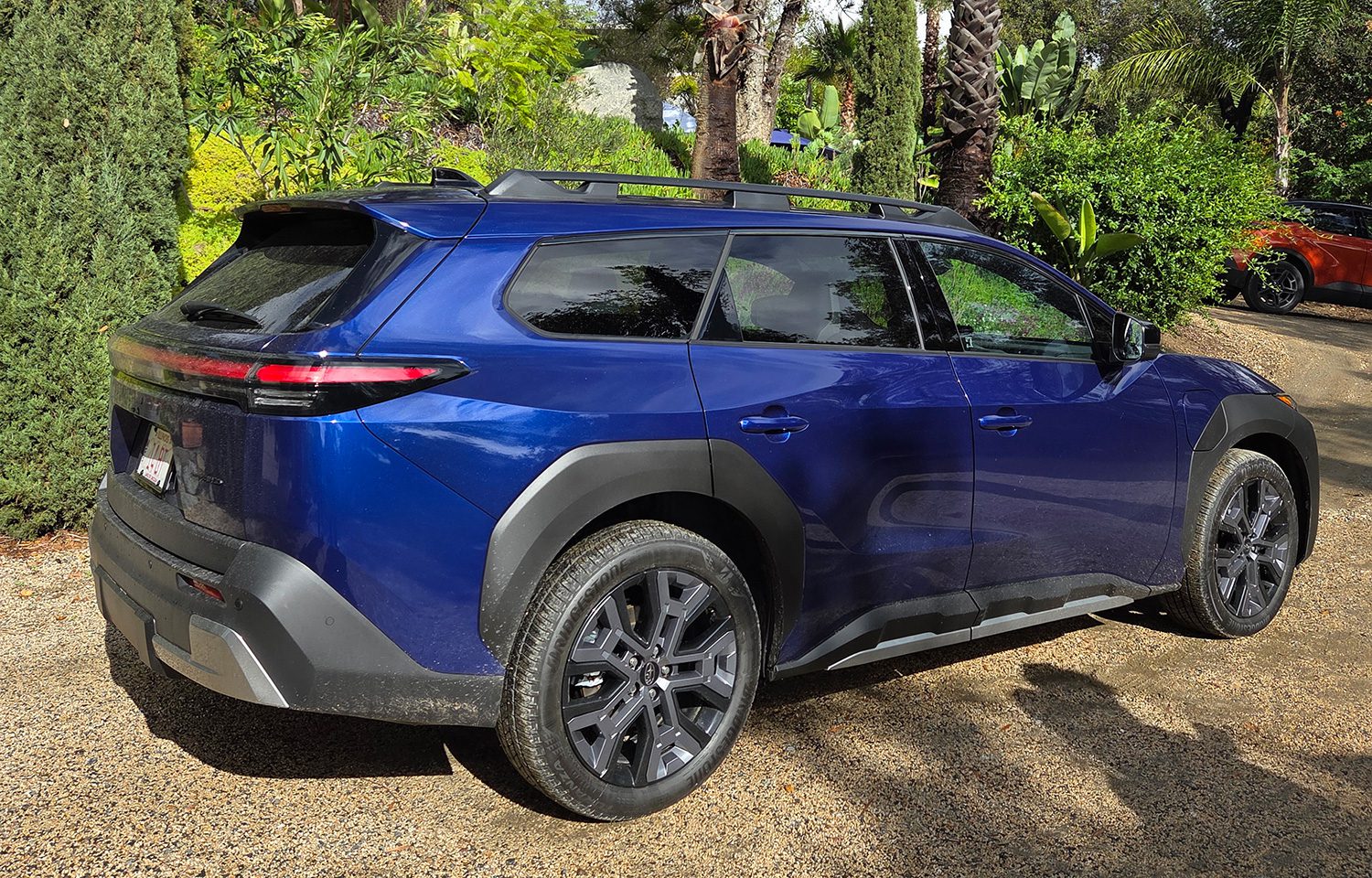
Why is the Trailseeker so identifiable as a Subaru? It’s a classic wagon shape, and it has roof rails for adding luggage bins, or ski, snowboard, or surfboard carriers. It’s the only electric SUV with ladder-type roof rails, for all the many Thule and other accessories the brand’s outdoorsy owners add to pursue their “active lifestyles”. It’s even got a standard rear wiper (terrible for aerodynamic drag) and standard headlamp washers.
In design clinics, shoppers said the new EV looked “spacious and versatile,” “rugged and adventurous,” with an “outdoorsy spirit.” But it still looked like “it could handle different terrains while still being comfortable.” Which is to say, the survey group described exactly the traits for which the mainstay Outback is known. In the same year that the Outback grew several inches taller, much squarer, and more SUV-like—causing great agita among auto reporters, if not necessarily actual Subaru shoppers—the new EV and its recognizable shape might just be the car existing Outback owners gravitate toward when it’s time for the next one.
A Solterra wagon, effectively
Jointly developed with Toyota, like all of Subaru’s EVs, the Trailseeker is effectively a wagon version of the Solterra that’s been on sale since 2023. In fact, it’s identical to that hatchback from the rear doors forward. Pretty much only the roofline, the rear windows, and the tailgate had to be changed. But while Toyota calls its version the bZ Woodland, simply an added version of its bZ (which is the Solterra with a different badge), Subaru chose to give its EV wagon a new model name and a sharply separate identity. Given its appearance, that’s probably smart.
Subaru’s designers developed the Trailseeker/Woodland wagon on the Solterra base car, and it’s built in the company’s Gunma Yajima plant. That makes it the first EV Subaru has built, at least since it sold a few hundred electric minicars 20 years ago, in contrast to the Solterra itself. That model is assembled alongside its bZ sibling at Toyota’s Motomachi plant in Japan.
The Trailseeker uses the same 74.7-kilowatt-hour battery pack as not only the Solterra but also its smaller 2026 Subaru Uncharted hatchback sibling, which will join the larger wagon-esque EV in showrooms at roughly the same time. The smaller car starts at $36,500 including delivery, though only if you get the front-wheel-drive model with an EPA-rated range of 307 miles; it’s the first FWD-only model Subaru has sold in the US in three decades.
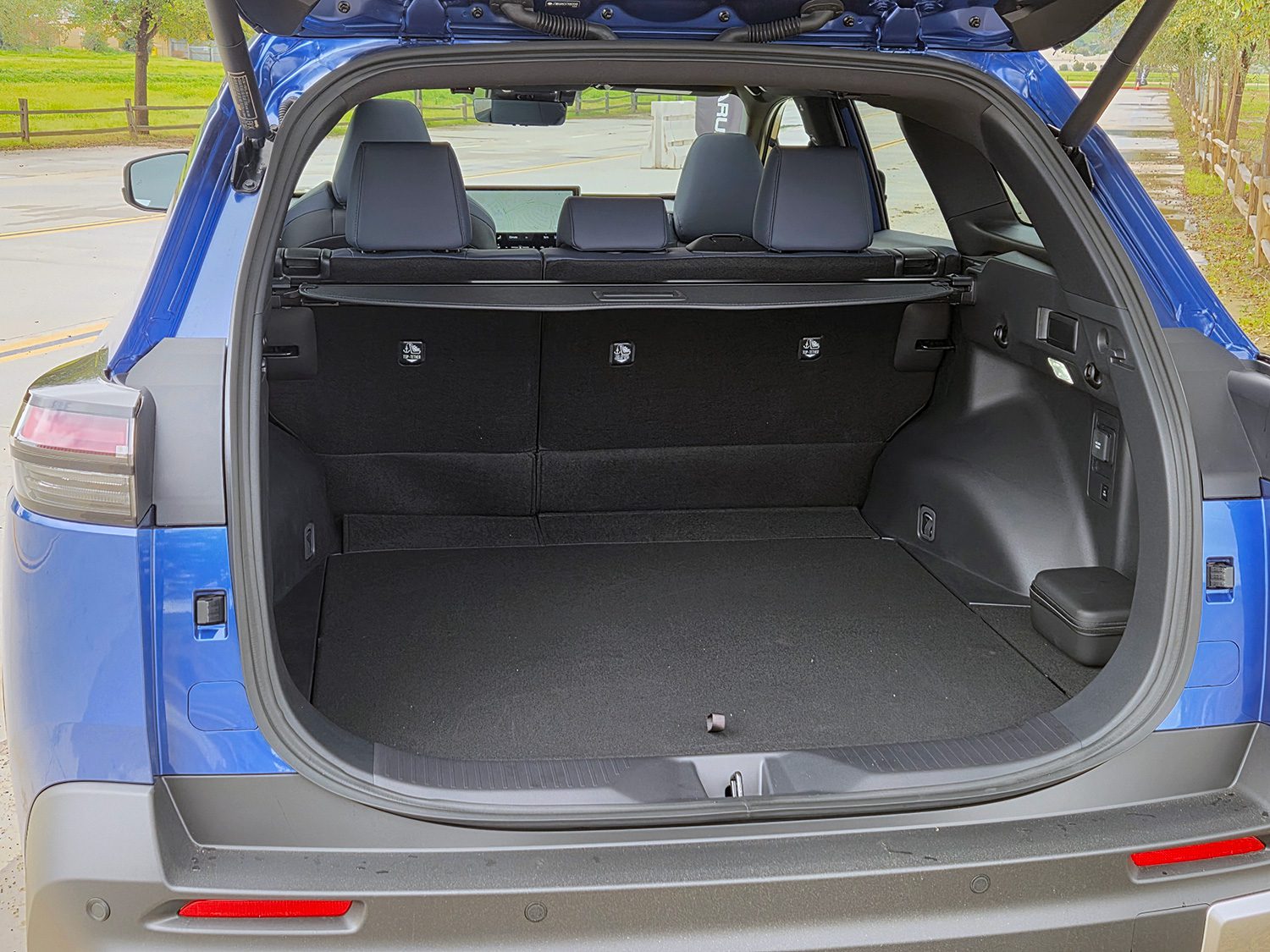
All Trailseekers have all-wheel drive standard, via a pair of electric motors with a combined power rating of 280 kilowatts (375 horsepower). Subaru quotes a 0-to-60-mph acceleration time of 4.4 seconds in Power mode; there are also Normal and Eco modes. Other stats of interest: The Trailseeker is rated for up to 3,500 pounds of towing, has a best-in-class 8.5 inches of ground clearance, and 31.3 cubic feet of cargo capacity with the rear seat folded up. In its presentation, Subaru included photos of golden retrievers and a great deal of data on how likely its owners were to have pets, especially dogs.
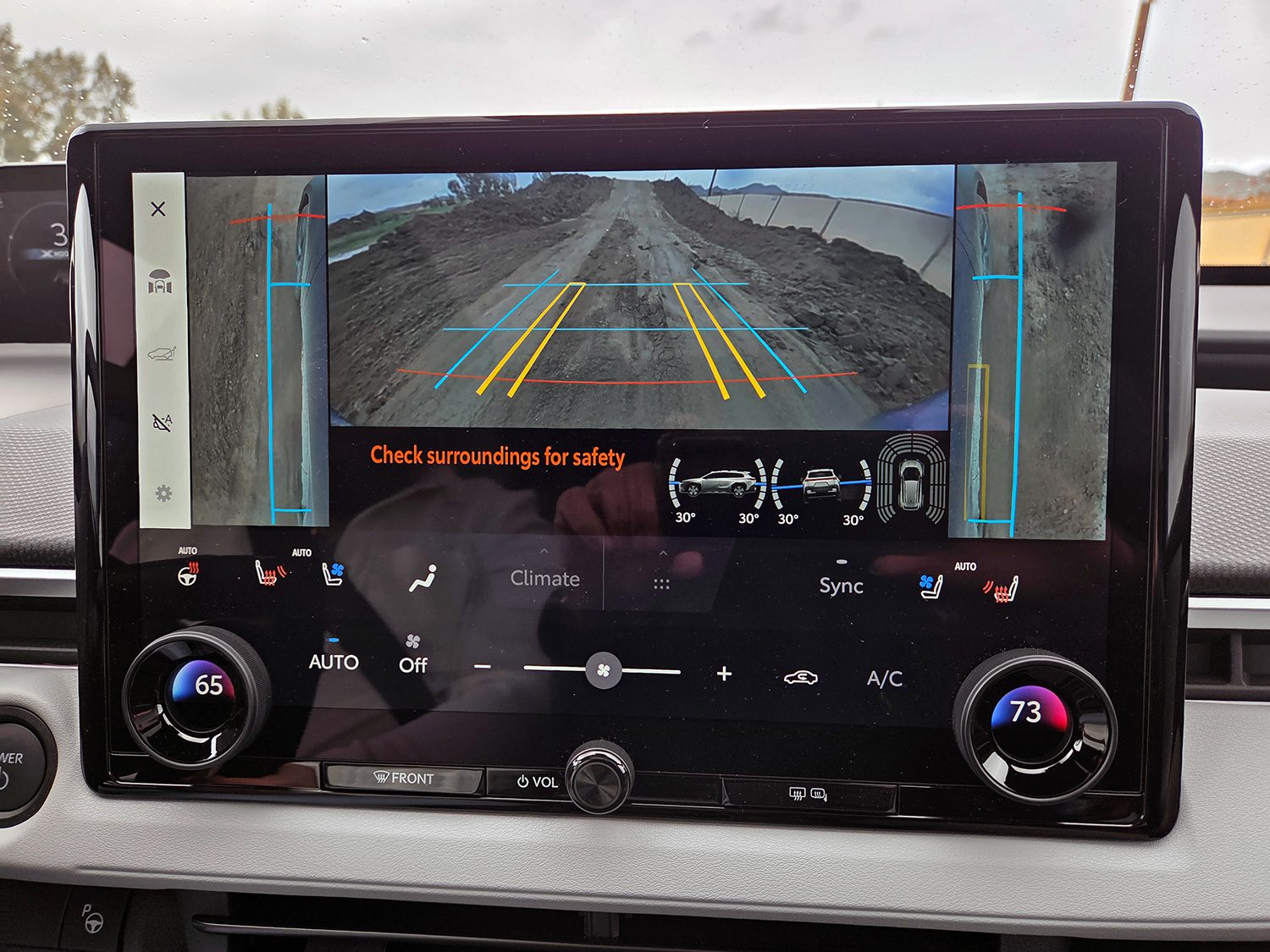
On the road: competent, unremarkable
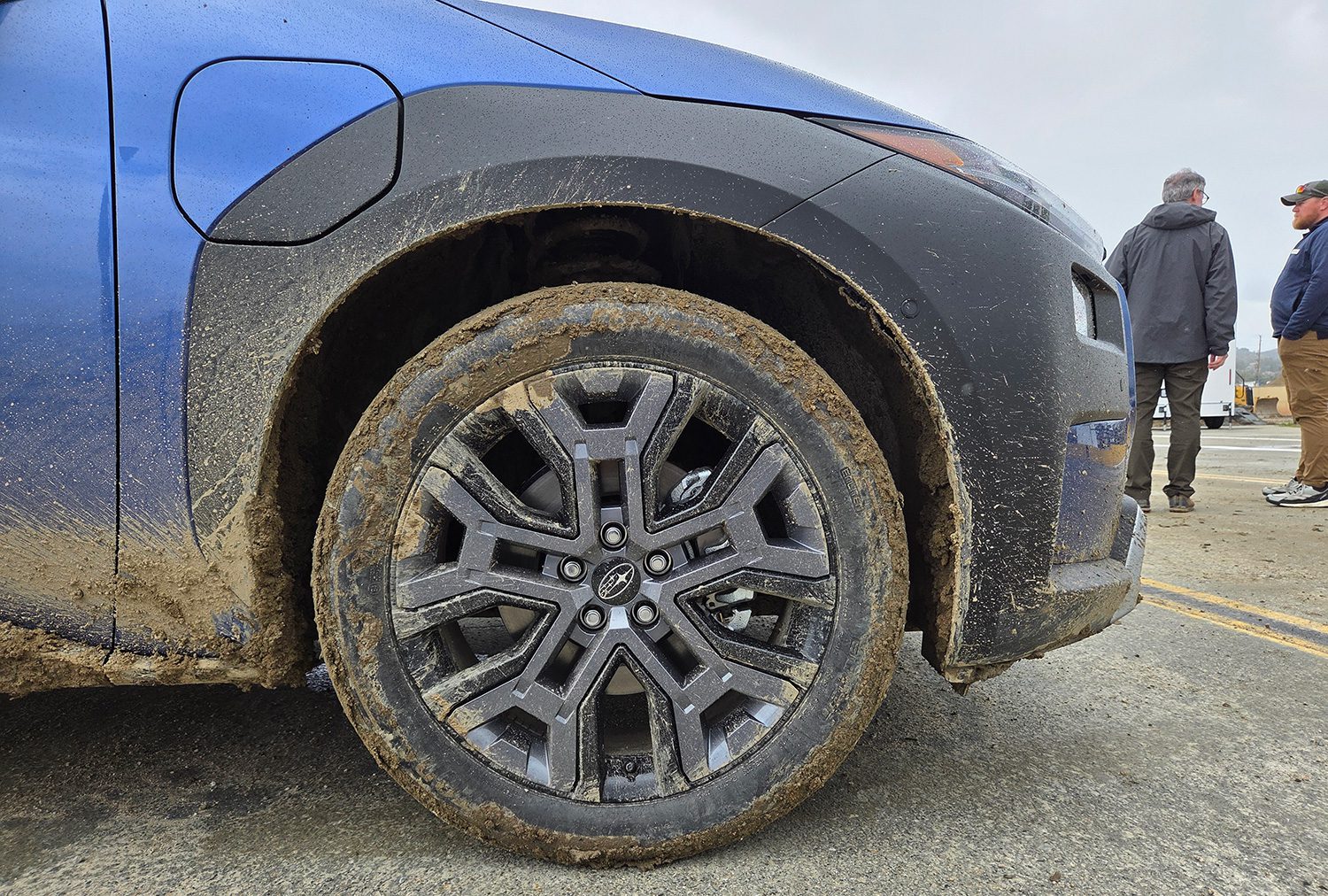
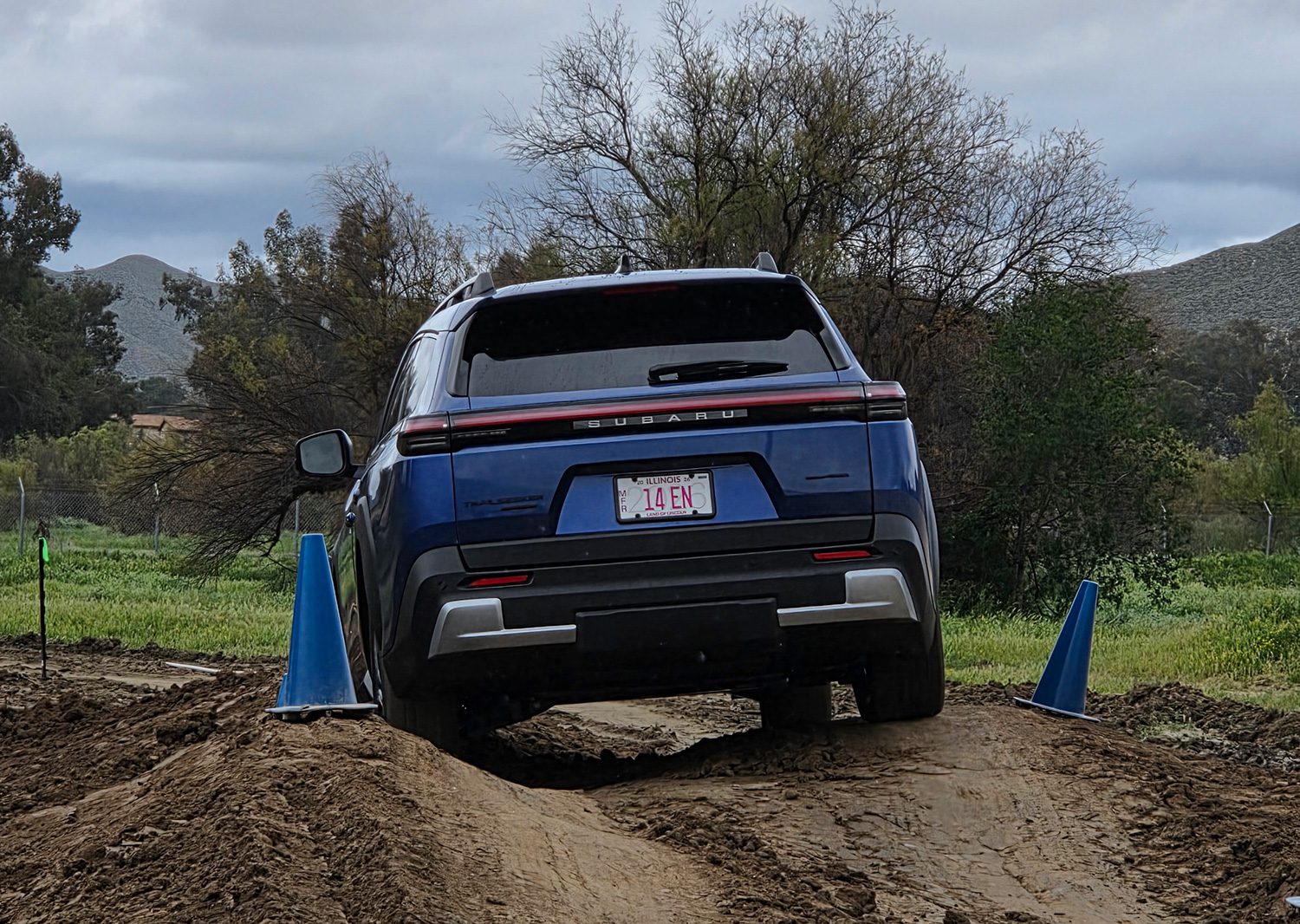
We drove a pre-production top-of-the-line Trailseeker Touring among the hills and freeways of Orange County, California. Subaru’s plans for elaborate off-road activities were scuppered by torrential rains, but a temporary off-road course with enough dips and rises let us lift one or two wheels off the ground, even at 8.5 inches of ground clearance.
The off-road X-Mode drive setting handled hills, ruts, gullies, and wheel-up situations with aplomb, as essentially any AWD Subaru does. That’s the brand’s special sauce, and it sometimes out-climbs and out-maneuvers far pricier, larger, and more luxurious SUVs with extroverted designs that scream “off road”. We’ll be curious to see whether Subaru will add a Trailseeker Wilderness model, with even more ground clearance and exaggerated off-road trim.
As with the smaller Uncharted, the wagon’s X-Mode Multi-Terrain monitor view offered a front-facing camera. That proved incredibly useful in seeing past steep downhill breakover angles atop the muddy hillocks of the course. But in both cars, that view disappeared above 6 mph—apparently a Toyota safety measure—meaning we had to stop and then go through the multiple steps off re-selecting it before the next hill. Annoying, and borderline unsafe.
Once we returned to pavement, the Trailseeker proved itself predictable, competent, and quiet. As an EV, of course, it lacked the characteristic Subaru thrum from the horizontally opposed four-cylinder engine that’s been the brand’s defining feature, along with AWD, since the 1970s. But frontal visibility was good over a relatively low cowl, and the upright shape made over-the-shoulder visibility better than the Solterra hatch with its thick, angled roof pillars.
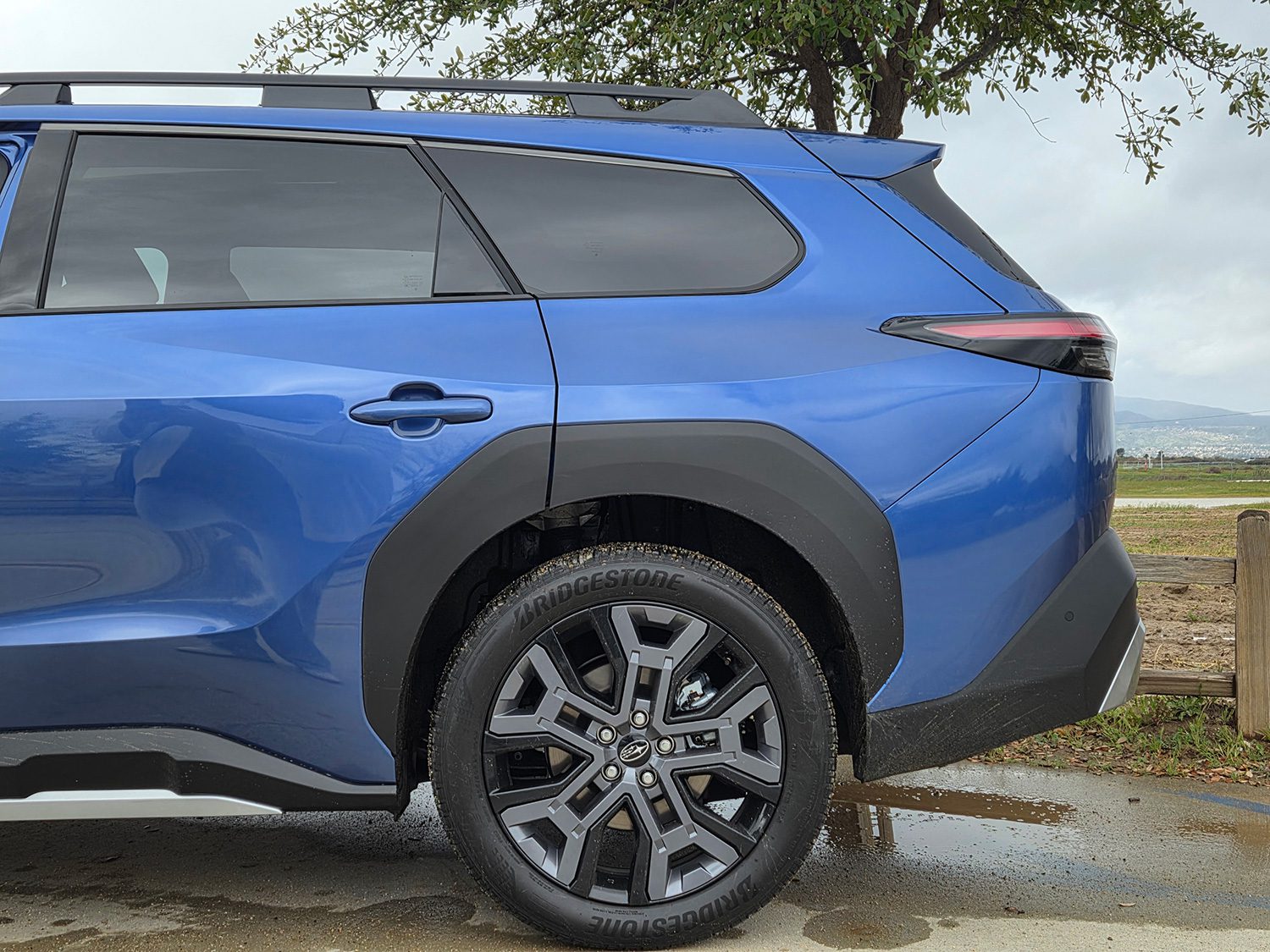
The regenerative braking is far from the strongest in the class. It was learnable, but we would each have liked the option of a stronger setting. Arguably Toyota’s powertrain engineers decided battery life would benefit from limiting regen, just as they limited power delivery. Steering feel is predictable, if numb. And the tires had decently tall sidewalls, which kept the Trailseeker’s ride smoother than the “rubber-band tires” with low sidewalls on big wheels found on competitors’ top-trim models.
Lighter than competitors
One crucial data point: At just below 4,400 pounds, the Trailseeker Premium is more than 300 pounds lighter than the next-lightest competitor. The weight difference ranges all the way up to the Honda Prologue Touring AWD, which is more than 800 pounds heavier—and has a larger battery as a result. The joint efforts of Toyota and Subaru engineers have created a lighter EV, one that doesn’t have the neck-snapping acceleration of some competitors, that manages to eke out acceptable range from a somewhat smaller battery—which lowers costs—despite the aerodynamic penalties of the roof rails, rear wiper, and high ground clearance.
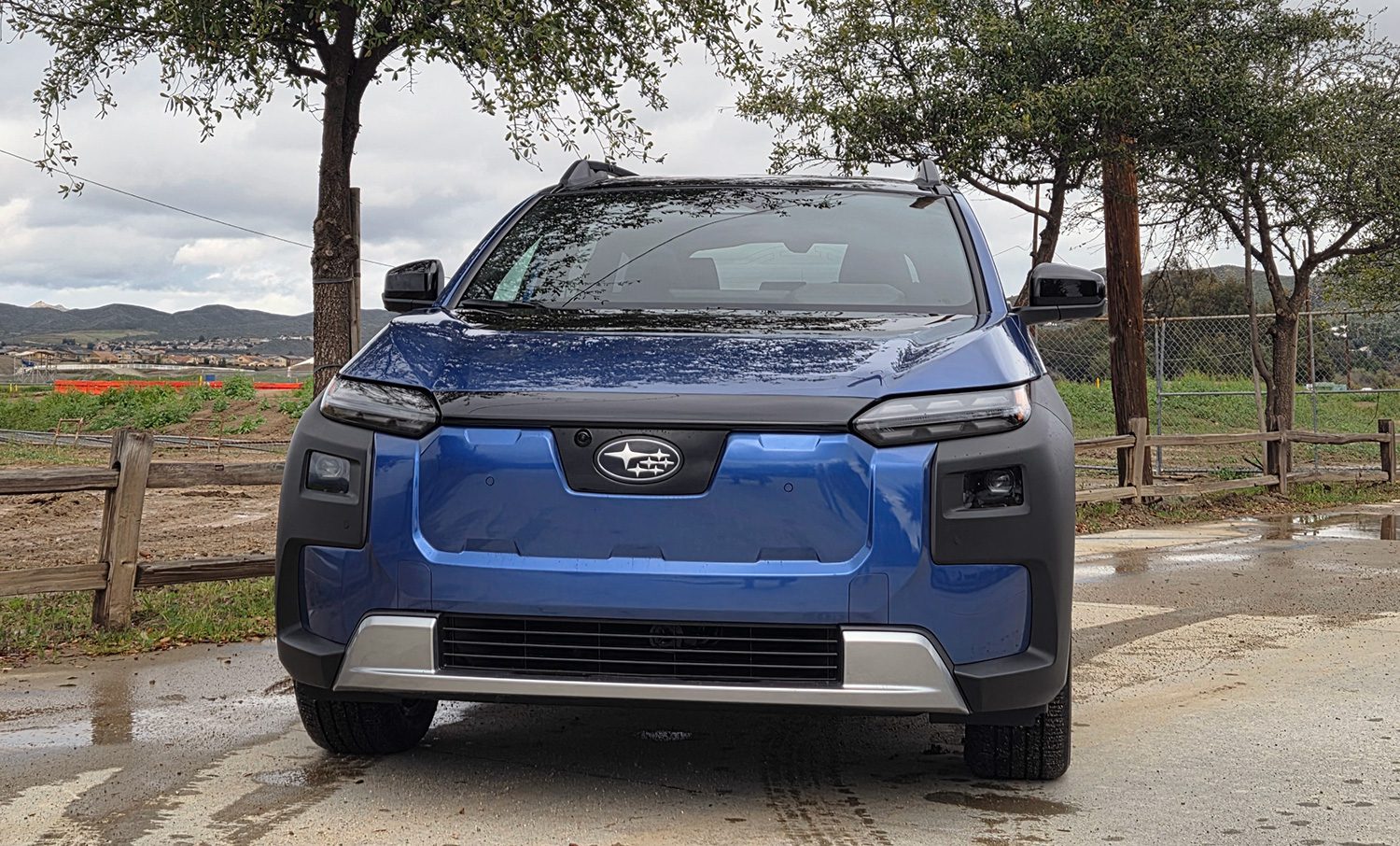
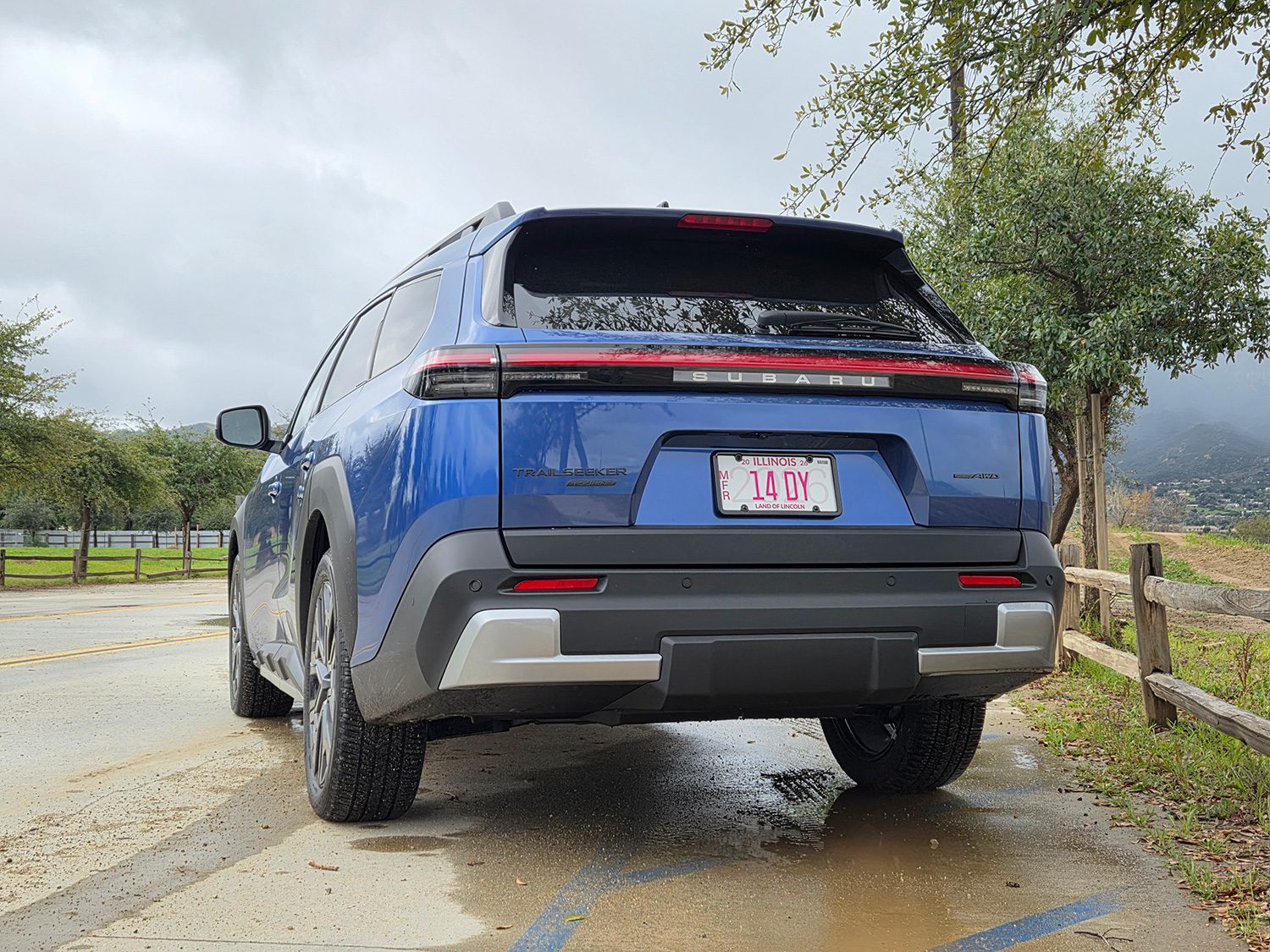
The design is a mix of Toyota and Subaru cues. The slab-sided wagon shape is all Subaru, though there’s no Subaru star logo on the tailgate. Instead, individual letters spell out Subaru, with lights behind them illuminating the brand at night on top trims.
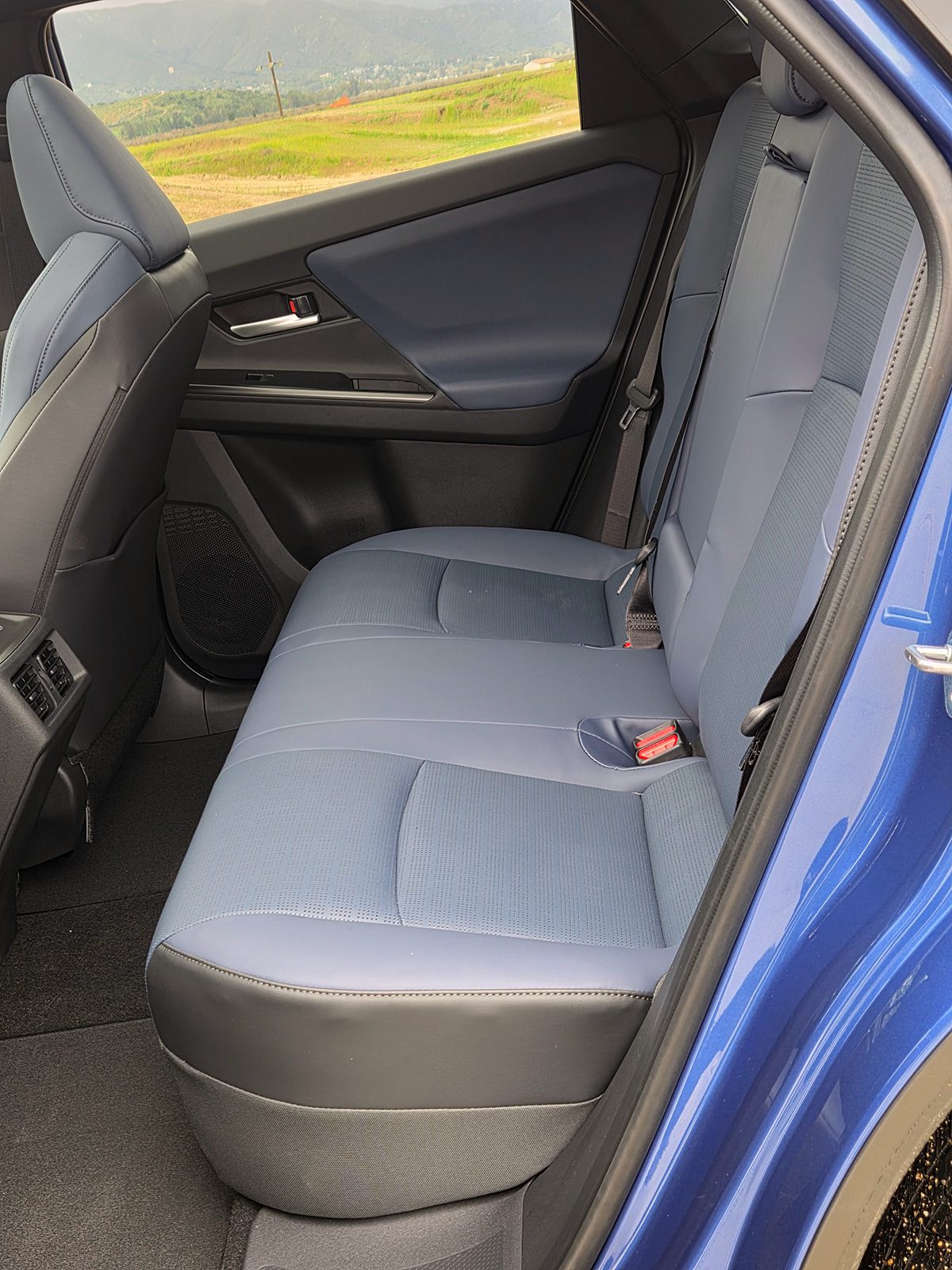
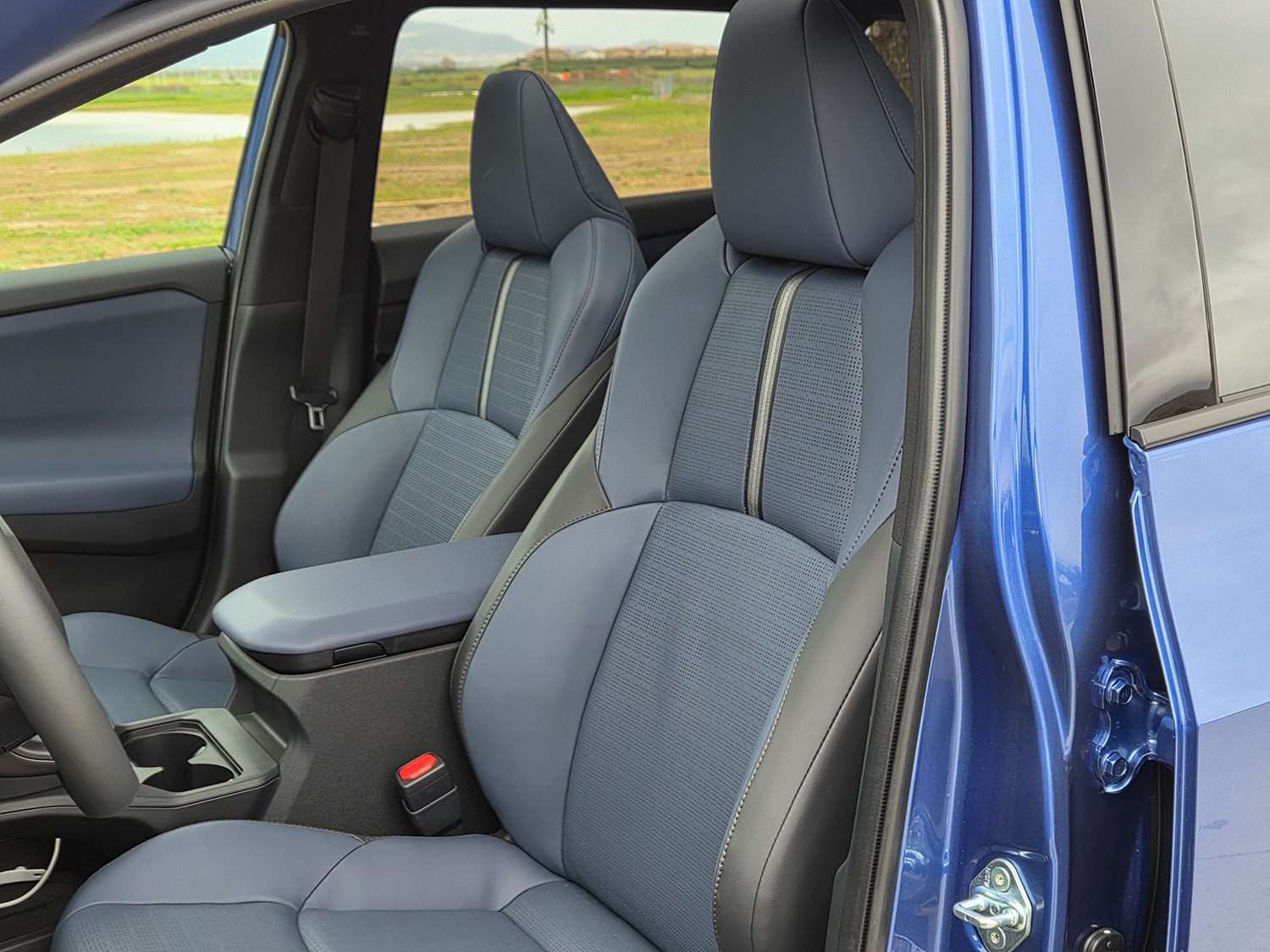
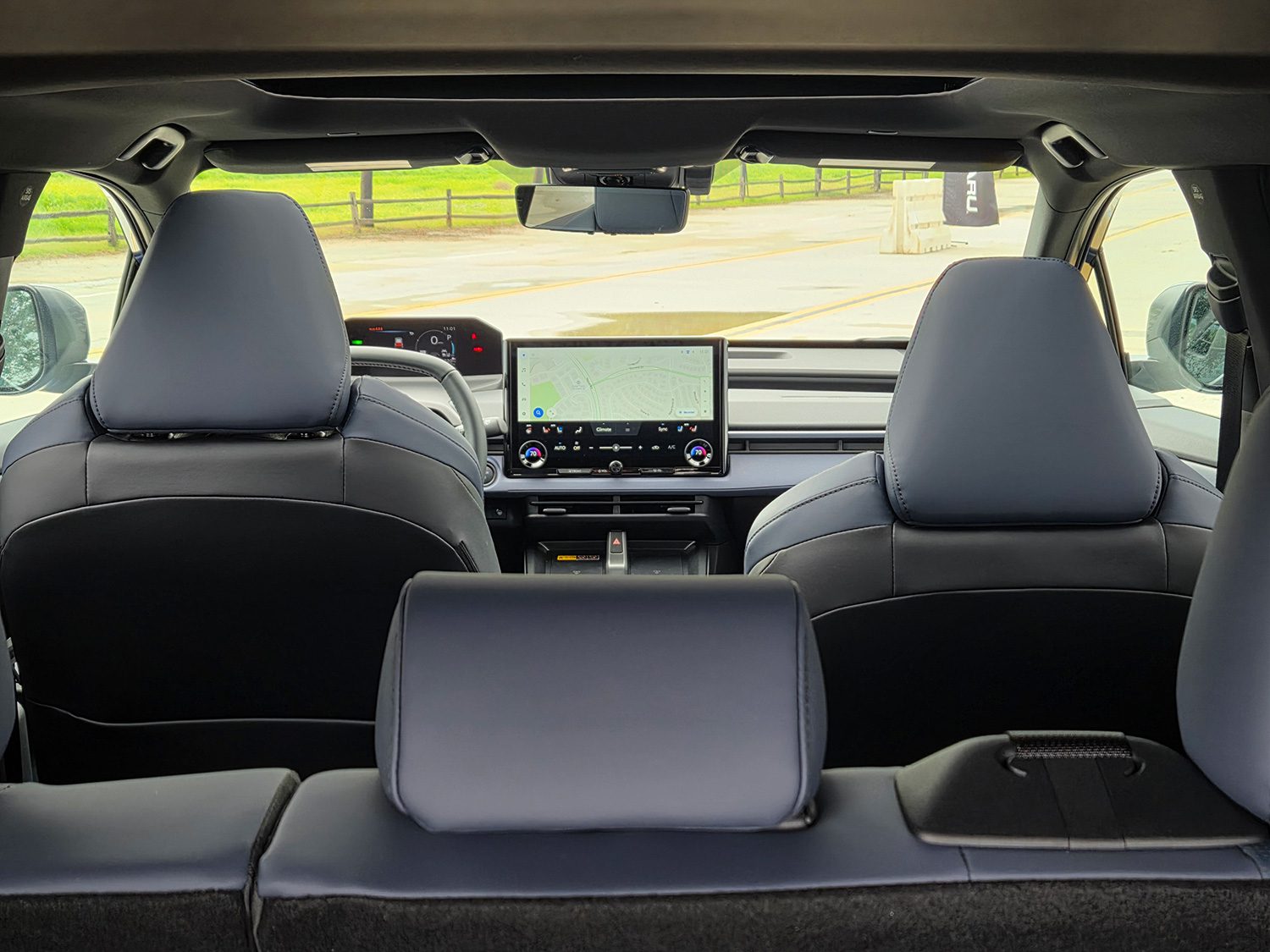
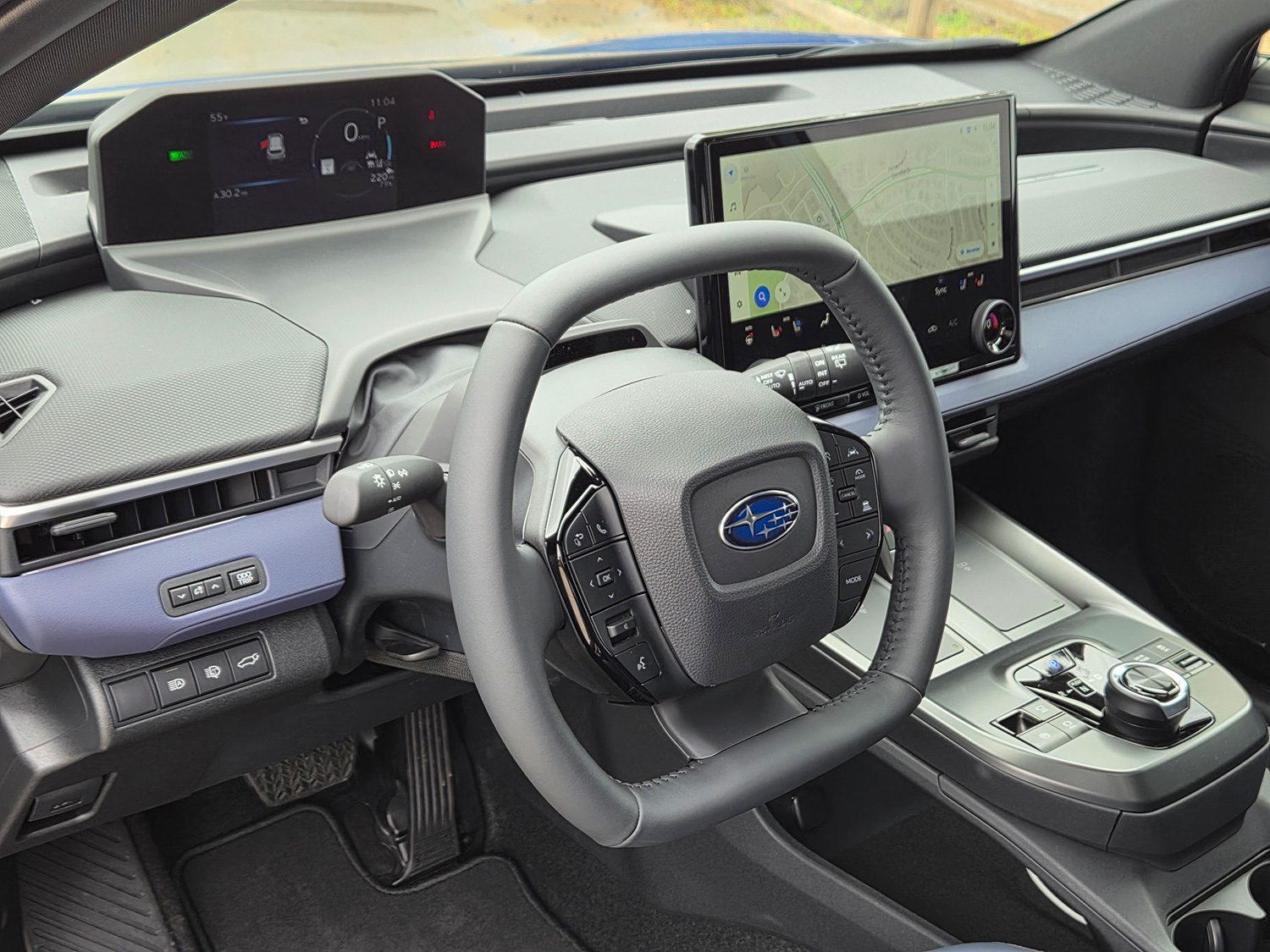
Inside, the available two-tone blue leather upholstery inserts were a pleasant relief from the usual all-black cabin. Grey two-tone is also available. Much of the rest of the interior was made up of hard plastic surfaces. Instruments are all Toyota, with a digital gauge cluster at the base of the windshield and a vertical center touchscreen. To ensure the cluster remains visible, the steering wheel is a rectangle with rounded corners—a different brand calls it a “squircle”—which we found easy to adapt to. A startling annoyance was the lack of a glove box; why?
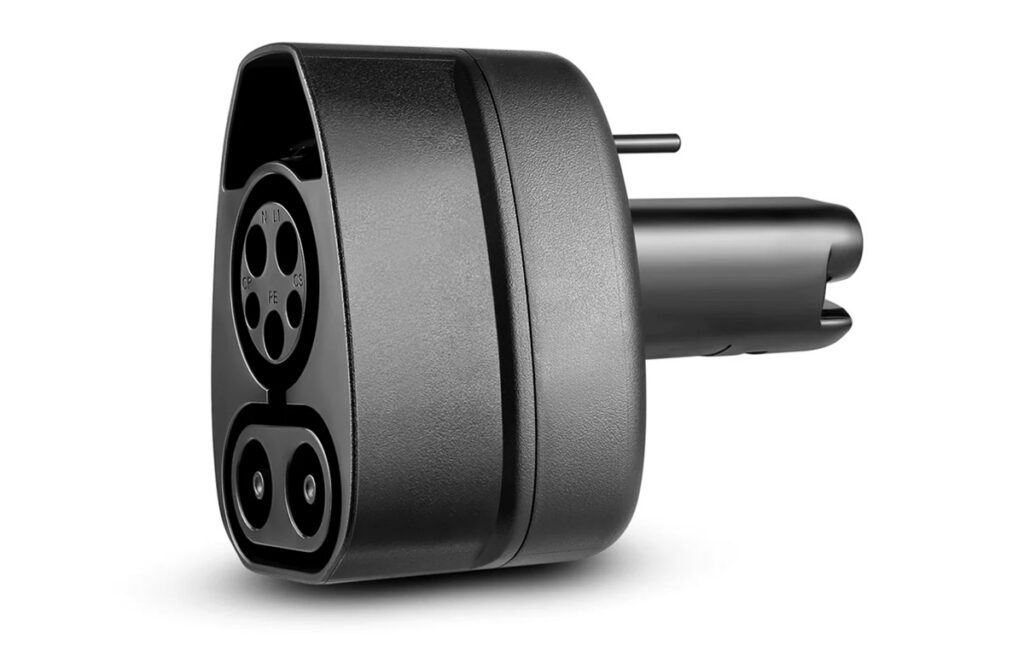
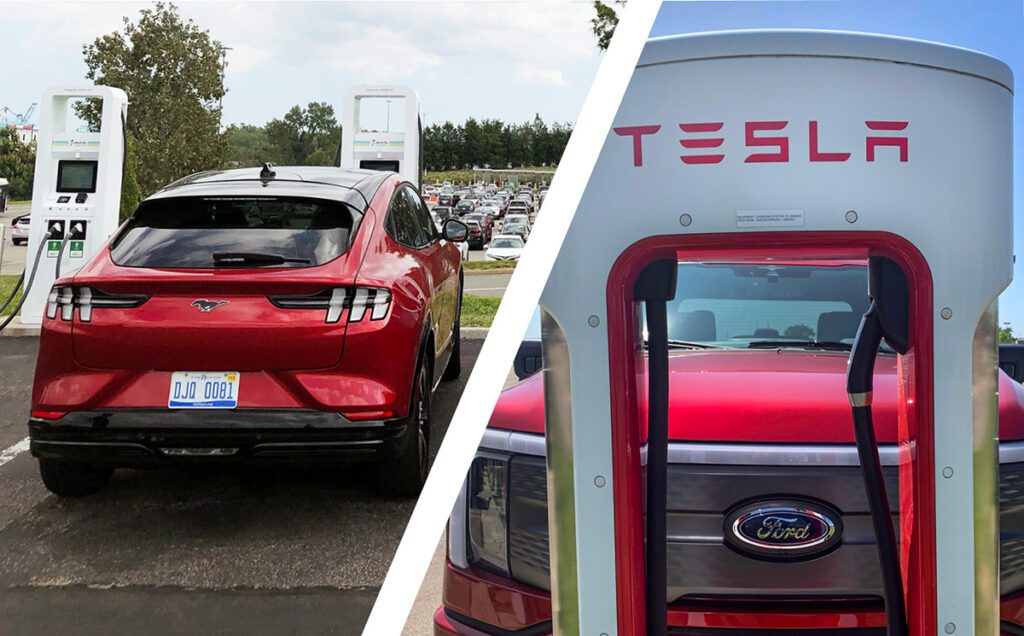
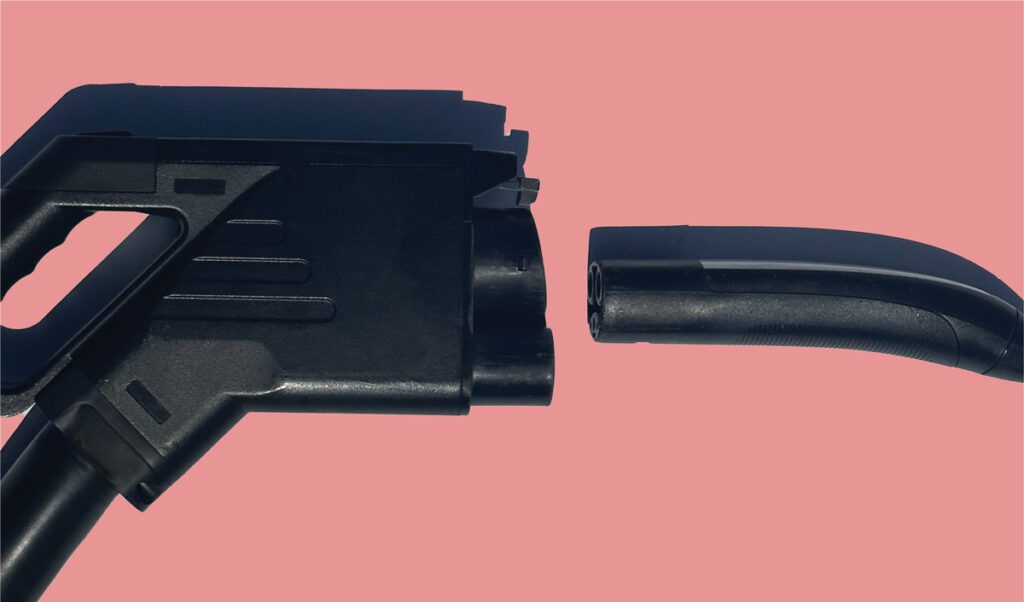
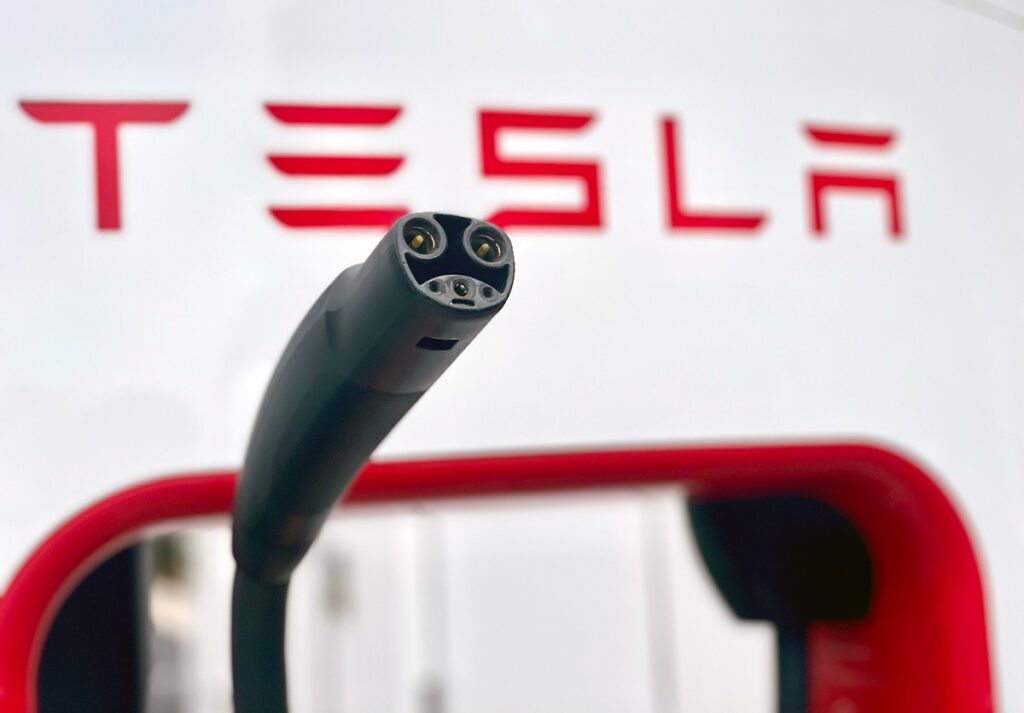
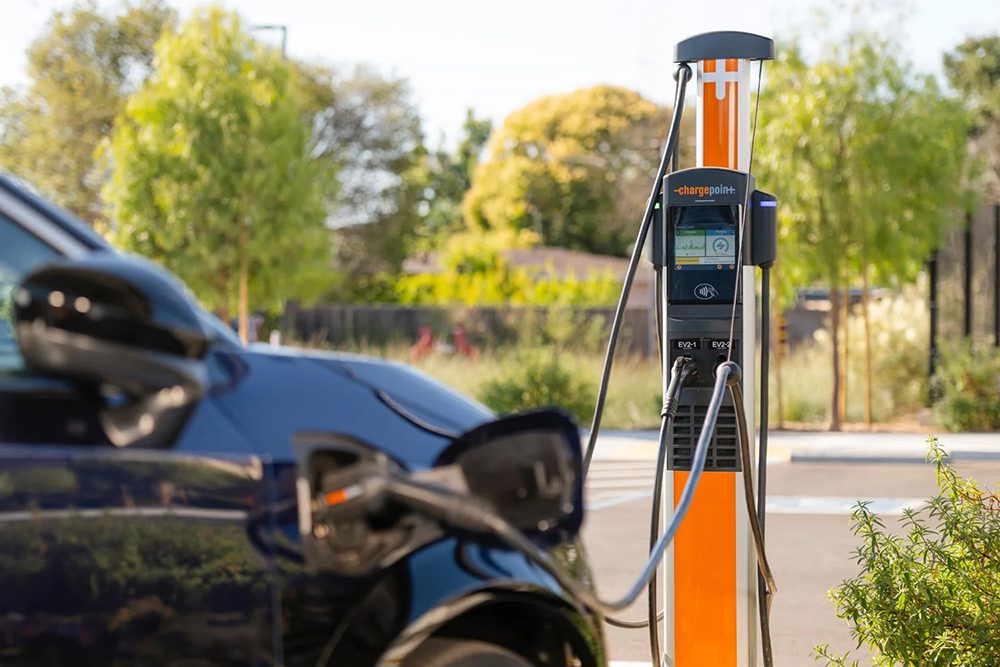
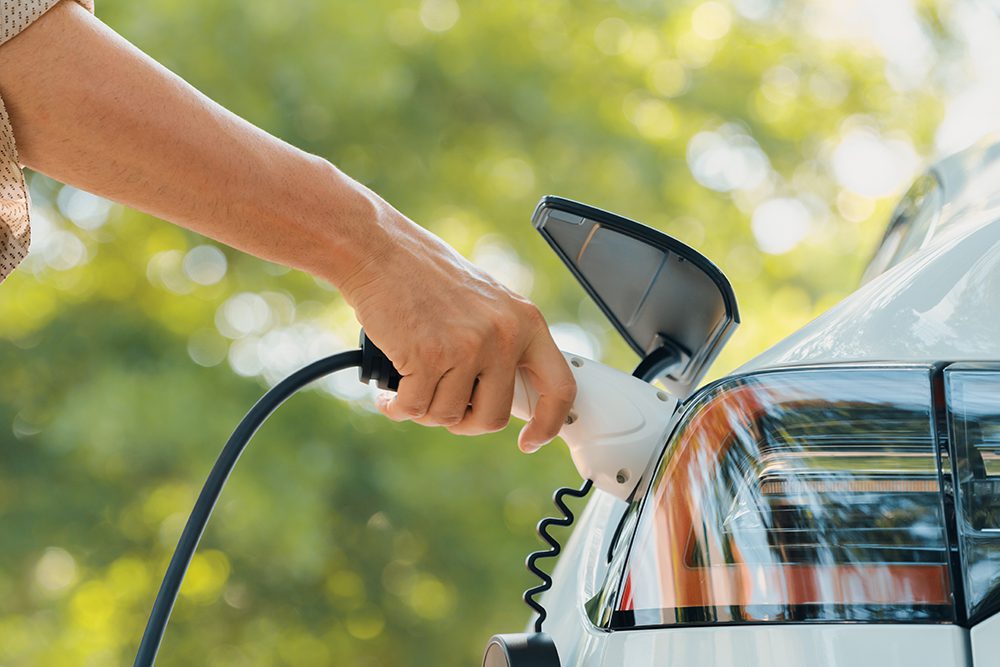
The Trailseeker is fitted with a North American Charging Standard (NACS) port, aka “the Tesla port,” and under ideal circumstances can charge from 10 to 80 percent in as little as 28 minutes on a DC fast charger capable of delivering a consistent 150-kW rate. And it can charge at Level 3 and Level 4 Tesla Supercharger stations, now roughly 25,000 of Tesla’s total of 36,000 chargers. Owners in Subaru’s stronghold colder and snowy climes will appreciate the built-in battery preconditioning. The car comes standard with both DC and AC adapters for CCS and J-1772 charging stations, respectively.
Subaru’s EV-curious owners
More than one-third of Subaru’s existing, very loyal owners would consider an EV for their next vehicle, according to its data. That’s the third highest level of all non-Tesla brands, trailing only Volkswagen (which has sold EVs in the US since 2021) and Mazda (which has no EVs at all).
Subaru says the new model competes—at least on specs—with the Chevrolet Blazer EV, Ford Mustang Mach-E Rally, Honda Prologue AWD Touring, Hyundai Ioniq 5 XRT, Kia EV6 Long Range AWD with 19-inch wheels, and the Volkswagen ID.4 AWD. It carefully constructed its comparisons to ensure all those vehicles had AWD and the most off-road-inflected trim levels. It did not, however, include the Tesla Model Y in the comparison set. That aging model is by far the sales leader across compact premium electric SUVs, though its US (and global) sales have declined for two years as newer, fresher entries hit the market.
The Trailseeker starts at $41,445 for the base Premium model, rated at 281 miles, while the better-equipped Limited and Touring trims ($45,445 and $48,005 respectively) get a 274-mile range. (All prices include the mandatory $1,450 destination fee; ignoring that lets Subaru claim a sticker of “less than $40,000” for the entry version). Execs suggested Trailseekers might start to arrive at Subaru dealerships in April.
Subaru provided airfare, lodging, and meals to enable Charged to bring you this first-person drive report.










 Webinars & Whitepapers










 EV Tech Explained