



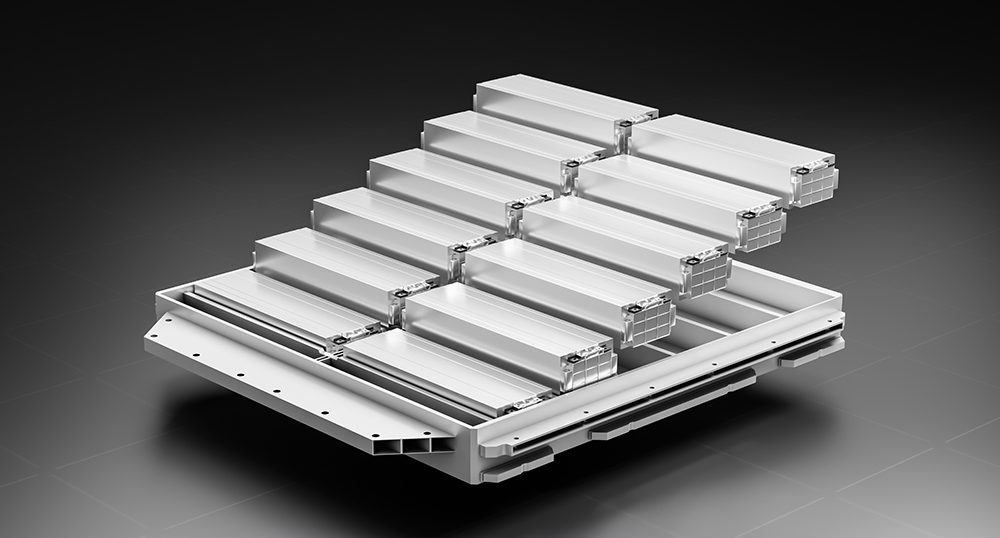
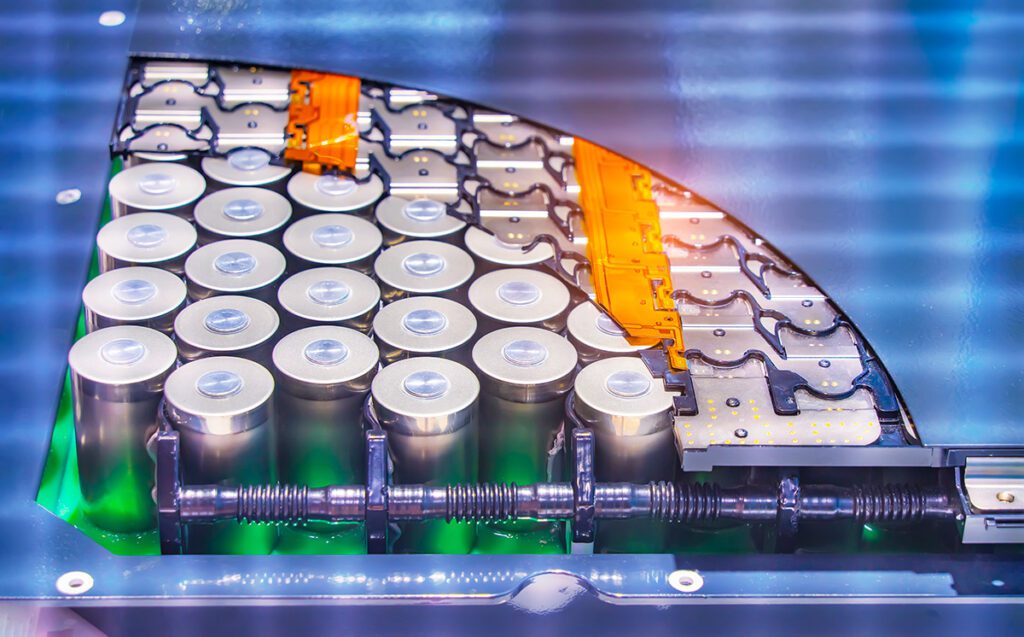
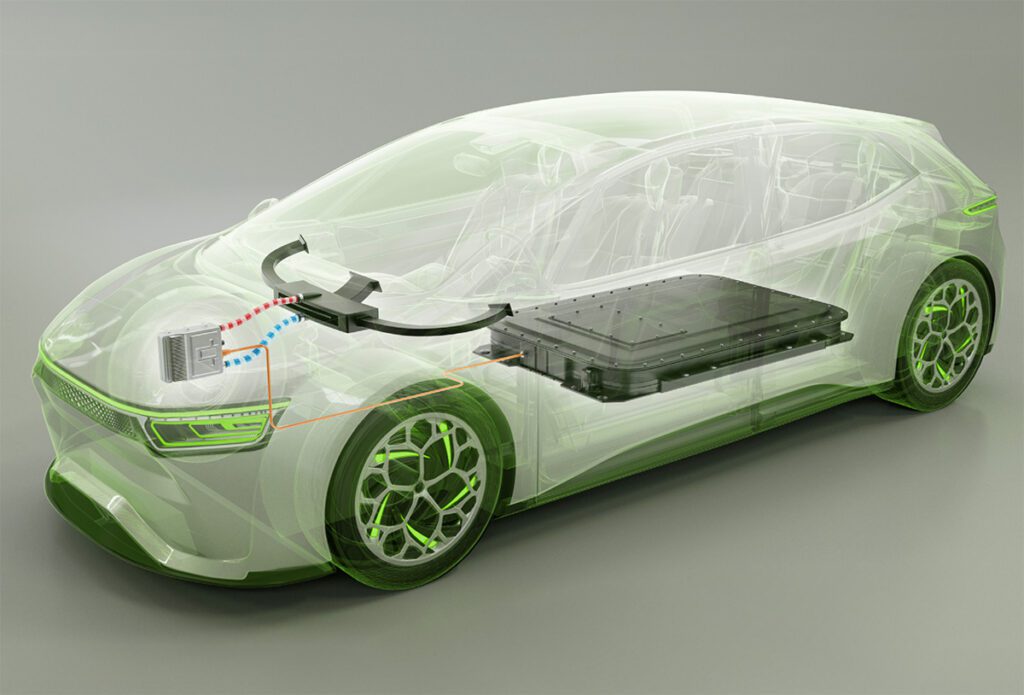
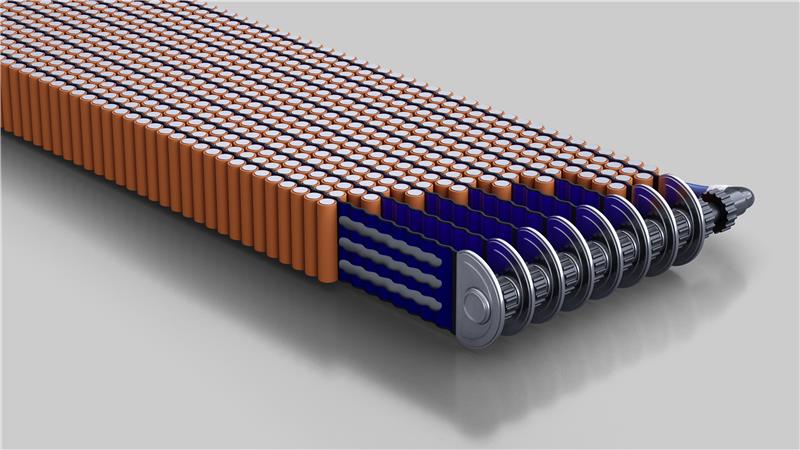
Last week, Chinese EV-maker BYD introduced its Blade Battery 2.0, which it says will deliver a range of over 1,000 km (that’s according to China’s CLTC rating system—using the US EPA’s testing system, it probably amounts to a still-impressive 725 km, or 450 miles), and can be charged in just 10 minutes. Of course, charging at such speeds would require a new type of charging station, and now BYD has unveiled that too.
BYD says its new “flash charging” system can deliver up to 1,500 kW of charging power, making it possible to charge a Blade Battery from 10% to 70% in just five minutes, or from 10% to 97% in nine minutes.
Yes, the term “game-changing” gets thrown around a lot, but if any new tech deserves that epithet, this is it. At a stroke, BYD has destroyed any remaining practical reason to buy a legacy gas vehicle. A Blade battery can theoretically deliver as much range as a full tank of gasoline, and a flash charger could charge up that battery faster than you can fill that tank. Oh, and by the way, the new battery is cheaper than the previous generation.
Now, when an obscure startup announces a new super-duper battery tech (as Finnish firm Donut Labs recently did), skepticism is the order of the day. But this is the world’s largest manufacturer of EVs we’re talking about, and the company says the new battery is ready to be installed in 10 production models, including the Yangwang U7, Denza Z9GT, Seal 07 and Sealion 06. The flash charging speed is not unprecedented—it’s basically a 50% improvement on BYD’s 1,000 kW Super E-platform, which it unveiled last year. And the company says it already has 4,239 flash chargers in service, and plans to install 20,000 of them by the end of this year. (It’s not clear whether these will deliver the full 1,500 kW or not, but even 1,000 kW would be almost triple the charging speed generally available here in the West.)
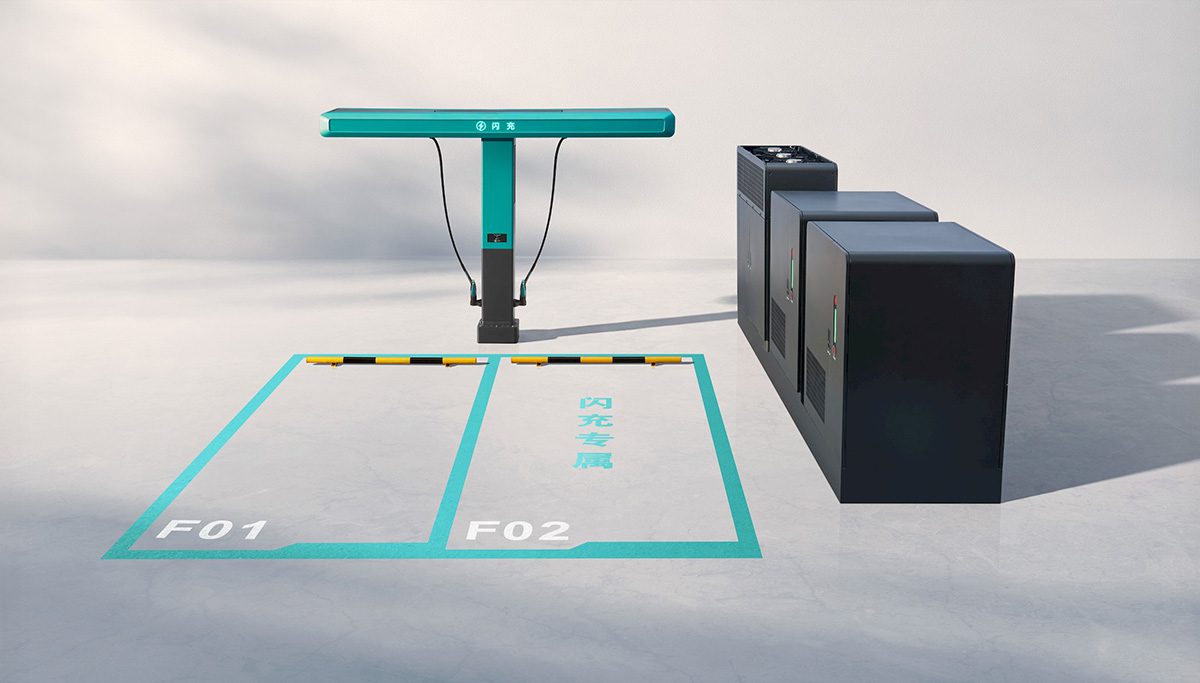
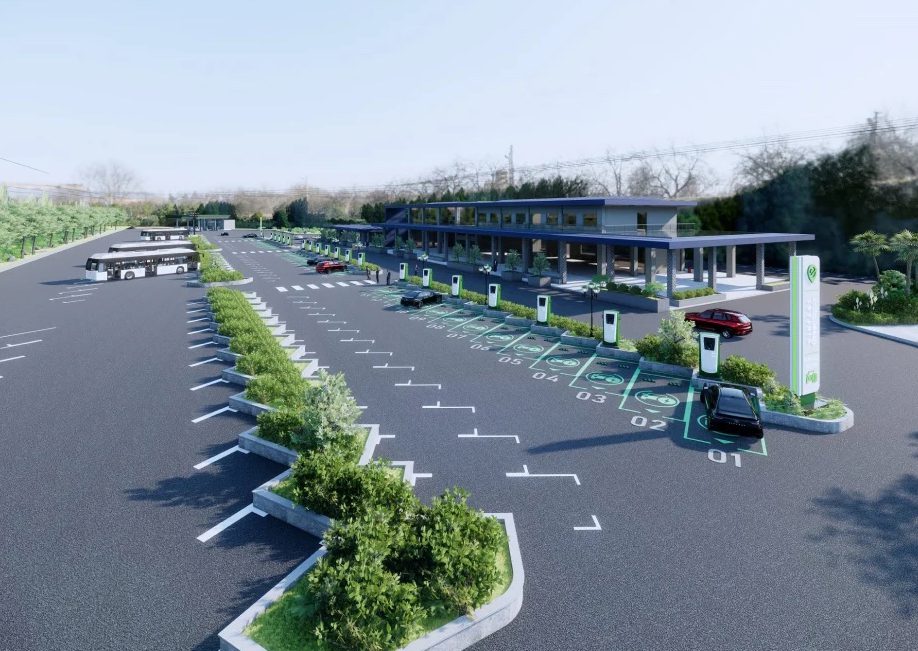
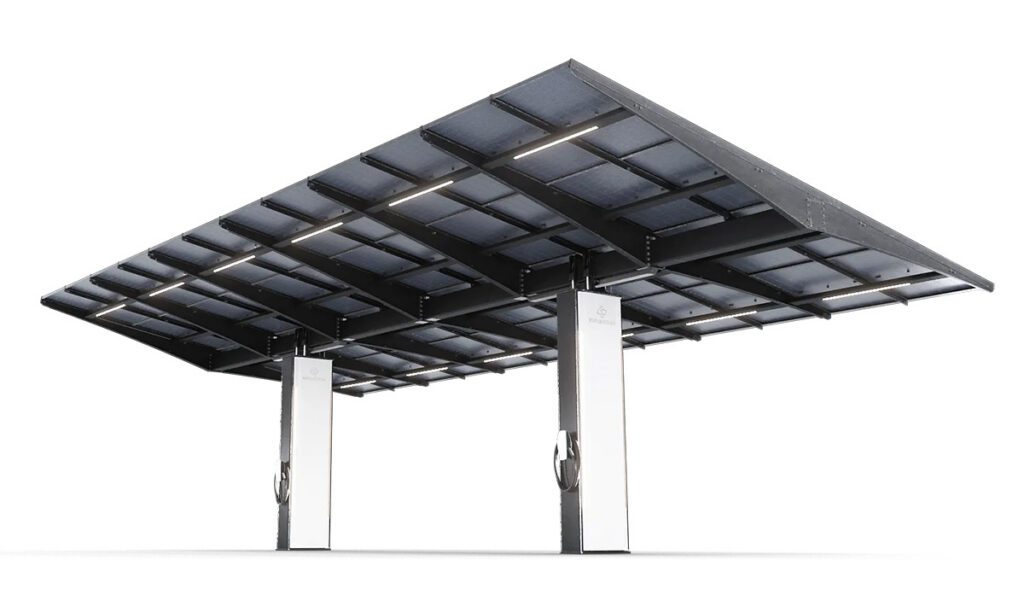
BYD’s flash chargers also feature a novel overhead design that could make the charging plugs more accessible and more secure. At the new stations, the cables hang down from a sliding rail attached to a T-shaped overhead rack, allowing drivers to plug in on either side, and enabling pull-through charging for cars with trailers or for trucks. This also keeps the cables off the ground, minimizing the chances of damage.


















 EV Engineering Webinars & Whitepapers






 EV Tech Explained