








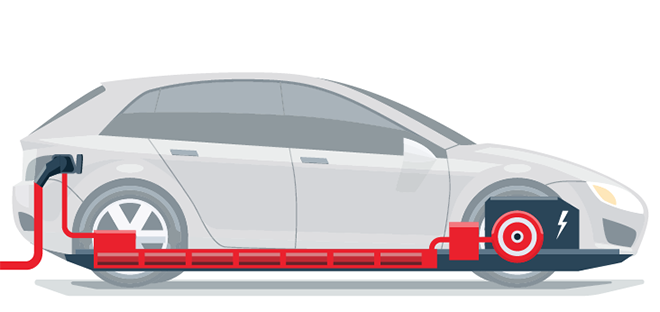
If you want to learn about improving energy density and performance of EV battery packs with thermal management and coatings, then tune into this webinar featuring guest speaker Nick Cupelli, Field Applications Engineer at LORD. This presentation will focus on: How thermal management materials address EV limitations in range, reliability and cost Benefits of using… Read more »
Search Results Found For: "range energy"

Pre-Switch promises to add 5-12% more EV range by eliminating switching losses
How would you like it if your EV could go ten percent farther with the same size battery? You’d love it, of course, and so would every EV manufacturer out there. Range is one of the most important parameters in the EV industry, as many potential EV drivers are apprehensive about lower range ratings. Manufacturers… Read more »
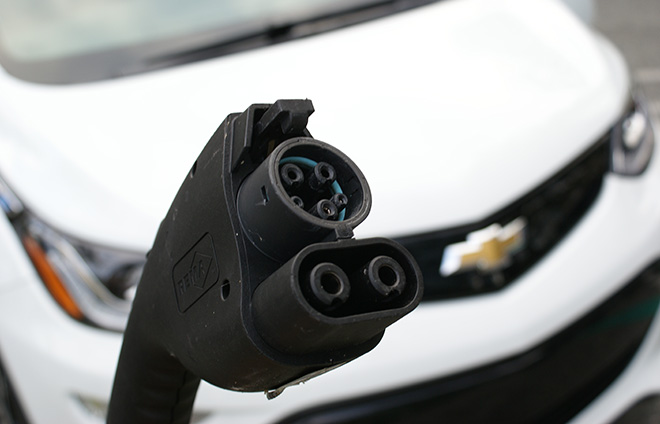
Determining ENERGY STAR specifications for high-power EV fast chargers proves challenging
The US EPA is proposing a new ENERGY STAR specification, Electric Vehicle Supply Equipment Version 1.1, which adds DC fast chargers to the existing specification. The process of proposing the spec and considering stakeholder comments began in early 2018, and is ongoing. The EPA is proposing to release a Version 1.1 Draft 1 Specification in… Read more »
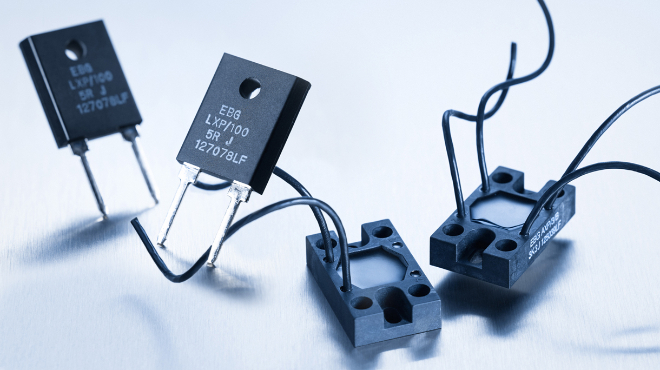
Download application notes for High Pulse Energy Resistors designed for electric vehicles
Sponsored by EBG Resistors The EV industry uses high-power resistors in a variety of applications including power converters for charging systems, power control unit, power distribution unit (PDU), and motor control unit and battery modules. EBG Resistors focuses on the cutting edge development of resistor technology. We work hand-in-hand with engineers to solve problems related to… Read more »
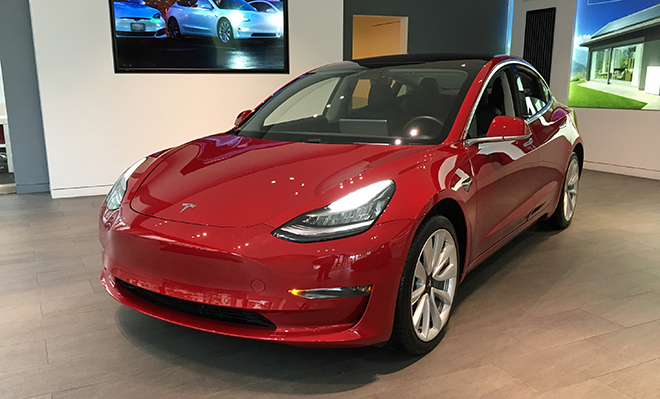
Tesla boosts power and range of Model 3 via remote software update
Tesla owners are used to receiving little goodies from time to time, but the latest over-the-air updates for Model 3 represent substantial increases in power and range. Tesla is rolling out an increase in peak power output to all Model 3s as part of firmware version 2019.8.2. “Your vehicle’s peak power has been increased by… Read more »
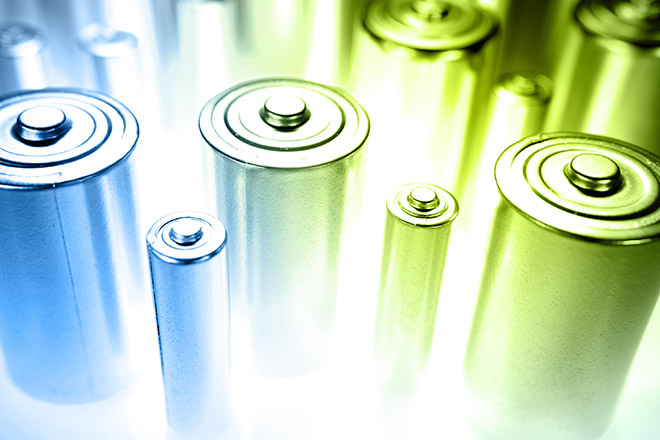
Wirtz Manufacturing invests in NiZn battery maker ZAF Energy Systems
Detroit-based Wirtz Manufacturing, which provides equipment design and technology for the lead-acid battery market, has invested in nickel-zinc (NiZn) battery maker ZAF Energy Systems. ZAF plans to use the investment to expand manufacturing capacity at its Joplin, Missouri facility from hundreds of batteries a month to thousands. The battery maker hopes the investment in a… Read more »
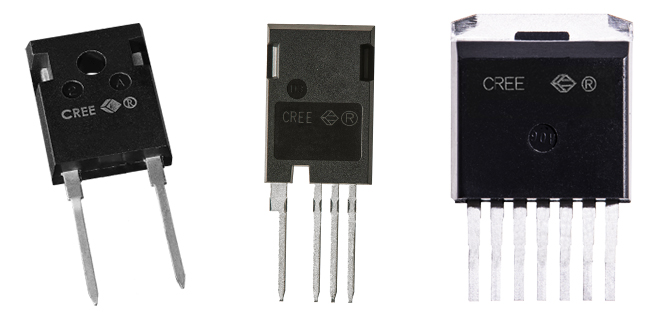
Wolfspeed introduces next-gen SiC diode for renewable energy and EV applications
Wolfspeed (a Cree company), has introduced its 5th-generation SiC Schottky diode, which is optimized for renewable energy, industrial power and EV applications. The 1,700 V C5D is commercially available in both bare die and package formats. It joins the current line of 1,700 V MOSFETs, which feature an optimized TO-247-4 Plus package that provides extra… Read more »

NanoGraf’s graphene-wrapped silicon anode is designed to boost both energy and power density
SiNode Systems, a Chicago-based materials developer, and JNC, a Tokyo-based specialty chemical manufacturer, have announced the formation of NanoGraf, a joint venture focused on commercializing materials for the Li-ion battery industry. Via the new JV, NanoGraf will gain production facilities in Japan, expanded global distribution channels, over 50 patents, and two research facilities. NanoGraf’s technology… Read more »

HES Energy Systems reveals plans for hydrogen-electric passenger aircraft
Hydrogen fuel cell provider HES Energy Systems has been developing hydrogen propulsion systems for small unmanned aircraft for 12 years. Now the company has announced plans to develop a regional hydrogen-electric passenger aircraft, Element One. HES aims to release a flying prototype before 2025. The aircraft is designed to carry four passengers, and will have… Read more »
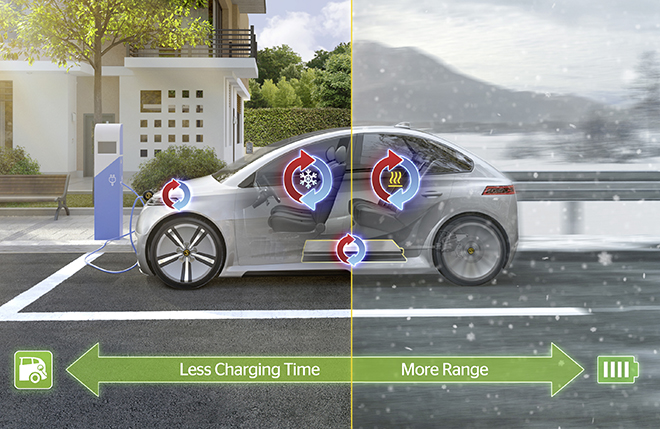
Continental’s thermal management solutions aim to increase EV range in cold temperatures
Automotive tech specialist Continental has introduced several thermal management (TM) technologies for increasing EV efficiency during summer and winter. This portfolio includes sensors, BLDC-driven pumps, hydraulics and valves. The company also produces smart lines and hoses paired with special sealing solutions. Continental claims that its systems can increase EV range by up to 25% in… Read more »