





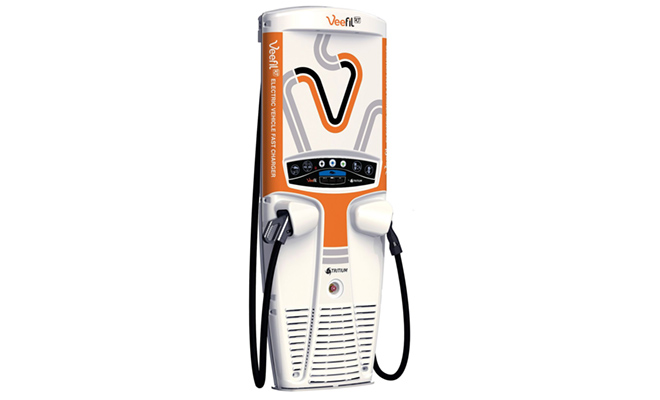
Charging solution manufacturer Tritium will receive a portion of $3.2 million in federal funding awarded to the Electric Power Research Institute (EPRI) to develop an extreme fast charging system. EPRI has allocated about $400,000 for Tritium to develop a custom version of its Veefil-PK high-powered charging head, along with providing input for system design and… Read more »
Search Results Found For: "SIC"
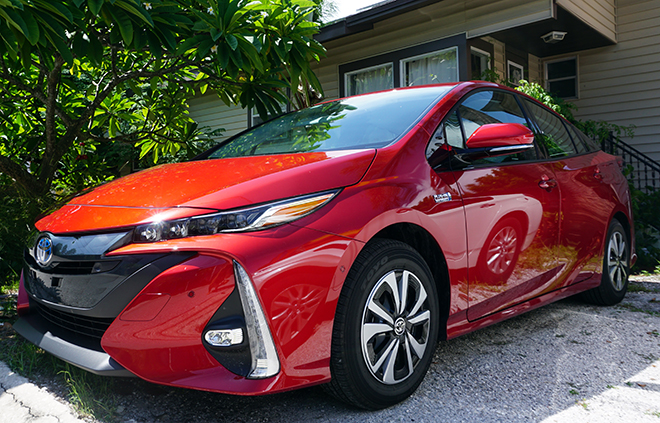
Prius Prime Advanced: the prince of PHEVs
Looking for an objective review of the Toyota Prius Prime Advanced? Sorry, you’ll have to look elsewhere. I’m one of “the pious” – annoying Prius drivers who sing the praises of our favorite hybrid vehicle to anyone who will listen. I’ve owned three Prii (and yes, replaced batteries on two), and this is a completely… Read more »
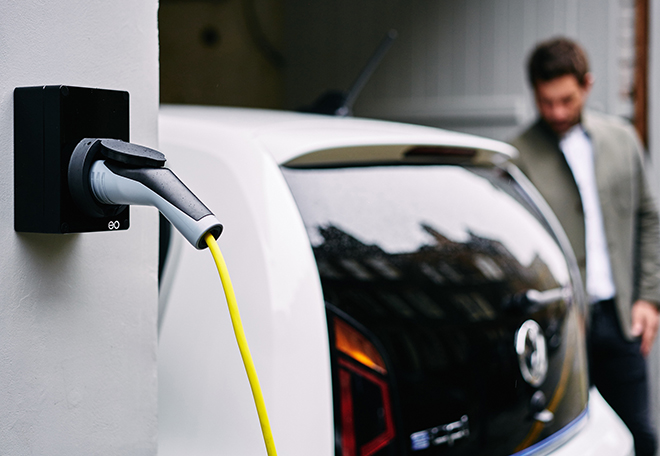
New eoALM adds automatic load management to non-smart EV chargers
UK EVSE manufacturer EO Charging has launched a self-contained unit that adds automatic load management capabilities to the company’s “non-smart” chargers. The eoALM module is aimed at multiple-EV households, apartment complexes and businesses with small plug-in fleets. When combined with one of EO’s eoMini or eoBasic chargers, the unit constantly monitors the energy profile of… Read more »
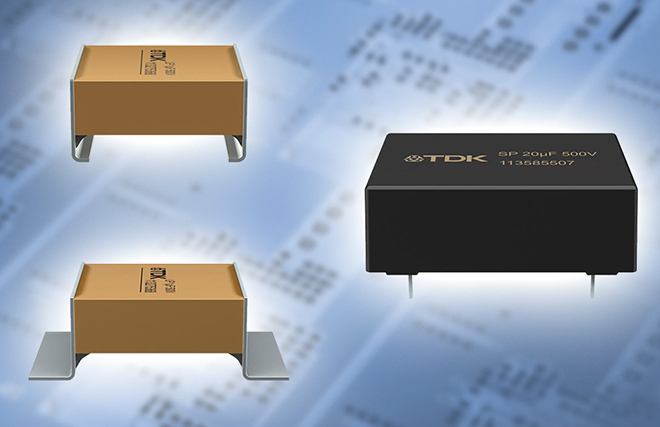
DC-link power capacitors technological advances for power electronics design
Sponsored by EPCOS, a TDK Group Company By Matt Reynolds, Director of Marketing, Piezo and Protection Devices The technology behind capacitors has been around since late 1745 when a physicist in Germany found that an electrical charge could be stored by connecting a high-voltage electrostatic generator by a wire to a volume of water in a hand-held… Read more »

A closer look at DC-DC converters
As far as we know, all EVs in production by major automakers use a conventional lead-acid battery for the 12 V system (surprising, but true – more on why in a bit) and this battery needs charging, just as it does in an ICE vehicle. While you could hang an alternator off the traction motor… Read more »
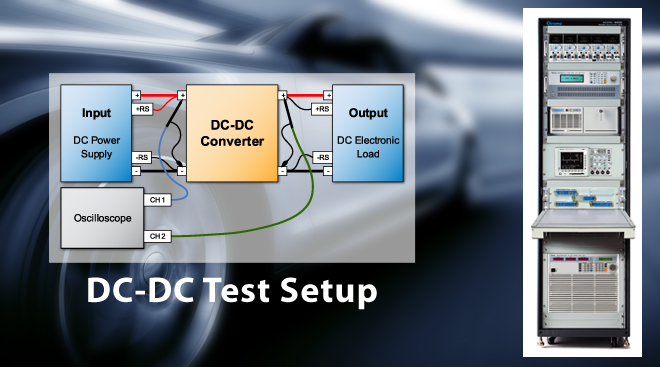
A quick guide to automotive DC-DC converter testing
Sponsored by Chroma Systems Solutions An automotive DC-DC converter receives high voltage from the battery and converts it to a lower voltage to power on board devices such as the instrumentation panel, entertainment system, sensors, LED lighting, and any other on board devices requiring low voltage DC power. Manufacture’s strategies in DC-DC converter development include reduction in size… Read more »

NREL demonstrates wirelessly charged electric van
The National Renewable Energy Laboratory (NREL) has launched a one-year demonstration of an -electric Zenith Motors van, modified to enable wireless charging. NREL is operating the vehicle in its employee shuttle fleet. “Under NREL’s direction, the shuttle was modified to incorporate Momentum Dynamics’ wireless-charging system – an addition that is enhancing our vehicle electrification and… Read more »
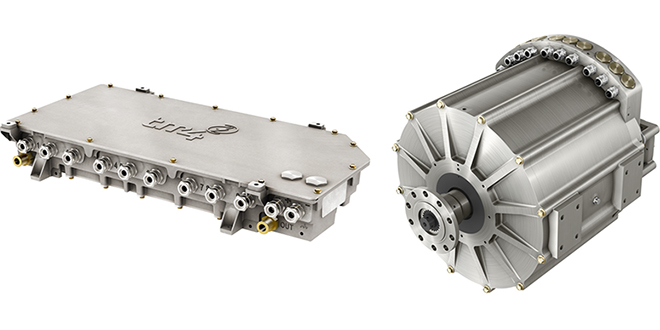
Dana and TM4 join forces to offer a range of powertrain technologies
Drivetrain technology supplier Dana (NYSE: DAN) has announced a joint venture with TM4, a subsidiary of Hydro-Québec. TM4 will become Dana’s source for electric motors, power inverters, and control systems, and Dana will become a majority shareholder of TM4 in exchange for $165 million Canadian ($127 million US). TM4 manufactures EV motors, power inverters, and… Read more »
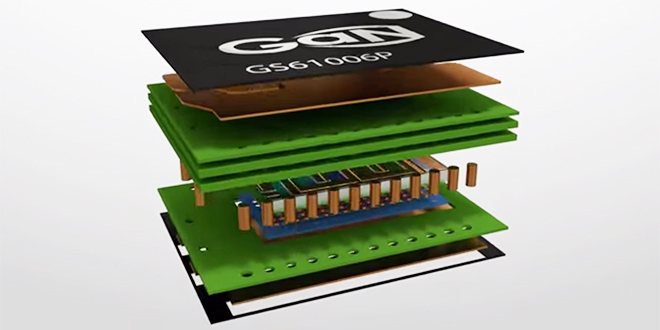
ROHM and GaN Systems collaborate to develop GaN semiconductors
Power semiconductor supplier ROHM and gallium nitride (GaN) power semiconductor specialist GaN Systems have partnered to develop new power electronics. Wordy? Yes. Interesting? It GaN be. The partnership will harness GaN’s expertise in power transistors along with ROHM’s established design and manufacturing capabilities in order to create new lines of compatible products. The new products will… Read more »
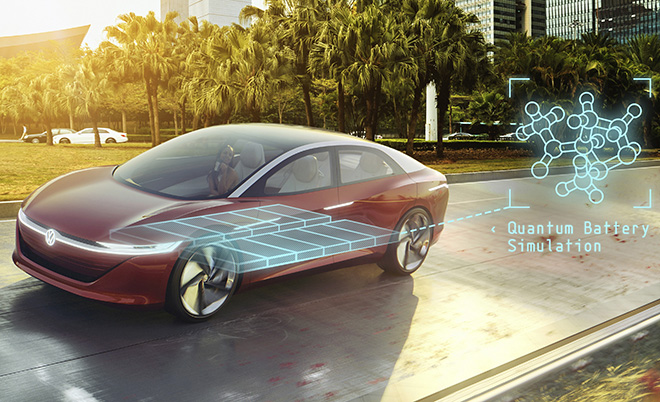
Volkswagen developing quantum computing for battery simulation at molecular level
Volkswagen has successfully simulated several molecules commonly found in batteries using quantum computing. The simulations currently include simple chemicals such as lithium-hydrogen and carbon chains, but will eventually include more complex compounds. The end goal is a simulation of an entire battery without the use of a physical model. Volkswagen will share its work at the upcoming… Read more »