








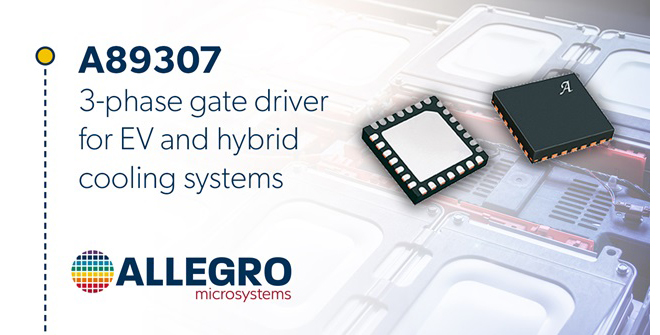
Allegro MicroSystems has introduced the new A89307 automotive-qualified gate driver integrated circuit (IC). Designed for battery cooling fans and HVAC systems in EVs and hybrids, the A89307 offers ultra-low noise and vibration by using a Field Oriented Control (FOC) algorithm to drive continuous sinusoidal current to the load. The company claims its algorithm can help… Read more »
Search Results Found For: "Motiv Power Systems"

Lightning eMotors and Ricardo partner to provide commercial EVs to UK customers
Commercial EV manufacturer Lightning eMotors (NYSE: ZEV) has partnered with Tier 1 supplier Ricardo to assemble commercial EVs for the UK market. Lightning will build fully electric powertrains at its plant in Loveland, Colorado, and ship them to the UK, where Ricardo will assemble and integrate those powertrains into medium-duty commercial fleet vehicles. Ricardo will… Read more »
Today’s EV engineering webinar schedule: Wednesday, October 20
Charged is hosting a virtual conference on EV engineering that’s free to attend this week. The conference includes live webinar sessions with interactive Q&As and on-demand webinars. View the daily session schedule online here. All of the live sessions will be recorded and available to view after the broadcasts. You can access the recorded videos… Read more »

CEVM Event Signup
KNOWLEDGE IS POWER IT’S TIME TO GET CHARGED! Charged Electric Vehicles Magazine brings you the latest and greatest in EV Technology Webinars ON DEMAND. >> VIEW IT HERE > ACCESS IT HERE > ACCESS IT HERE > Fall 2020 60+ EV Engineering Sessions View Recorded Sessions >> This all-inclusive Virtual Conference was Sponsored by: PLATINUM… Read more »
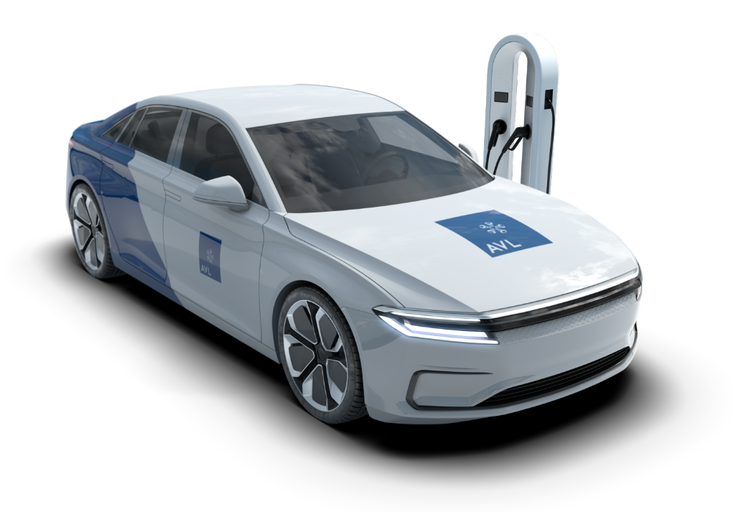
AVL’s new line of test equipment for a trouble-free EV charging experience
The charging experience is one of the largest differences between vehicles with a battery and vehicles with a fuel tank. The core charging requirements are established and standardized, however, both the technology and applications are still in the early stages of maturity. Therefore, they are subjected to intense market pressure to expand, evolve, and improve…. Read more »
New battery inspection technologies: X-ray CT and Microscopy
Battery manufacturers face quality and process control challenges when battery components need to be inspected without being destroyed. The cells are inspected to map the electrode’s microstructure in 3D, the heterogeneities, foil stacking, welding joints, contacts, and their effect on battery aging and performance through several cycles of charging and discharging. X-ray microscopy and computed… Read more »
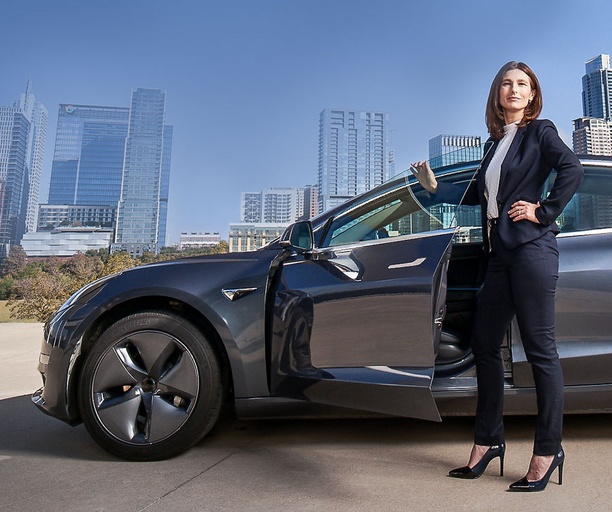
Lower real EV inverter cost without compromising safety, quality, or test coverage
In the evolving world of eMobility one thing remains constant – the inverter is the heart and soul of electric vehicles. When it comes to testing inverters, the trend has been to pull tests further up the development cycle, using virtualization to simulate components at lower costs and test scenarios faster than in-vehicle field testing…. Read more »
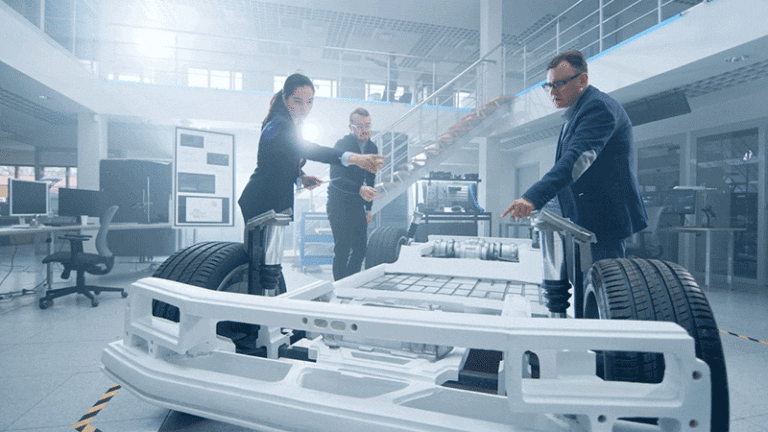
Thermal runaway challenges in next-generation battery pack designs
The battery packs found in today’s EVs represent a significant advancement over those designs considered state of the art just a few years ago. As automotive OEMs drive to increasingly advance pack designs they are being asked to balance the desire for increased range and improved recharge time with growing government regulations focused on safety… Read more »
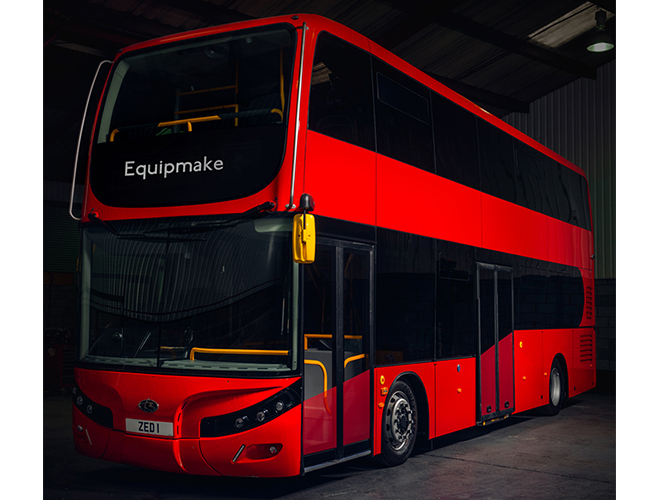
Equipmake and Beulas unveil electric double-decker bus with 250-mile range
Vehicle electrification specialist Equipmake and Spanish coachbuilder Beulas have partnered to develop an electric double-decker bus. The new Jewel E features an electric powertrain designed and developed at Equipmake’s facility in Norfolk, UK, along with a body produced by Beulas in Girona, Spain. Equipmake’s Zero Emission Drivetrain (ZED) is modular and scalable, capable of supporting… Read more »
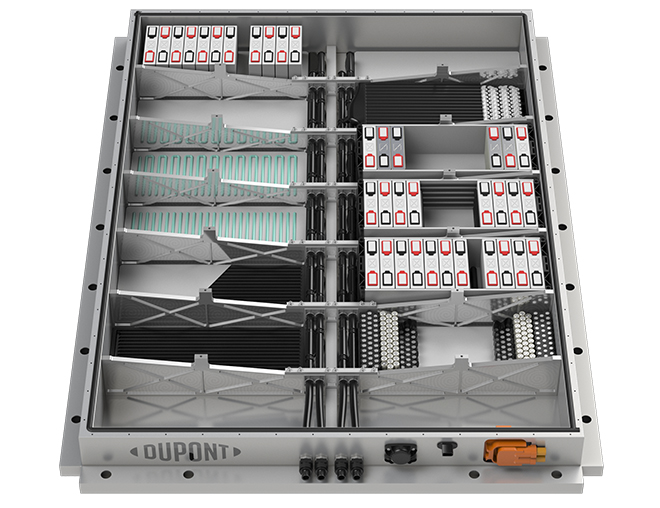
Four ways DuPont adhesives and resins advance EVs
Sponsored by Dupont Much of what drives the advancement of EVs today is what you don’t see. For example, crash-worthy adhesives that bond body and battery components along with performance polymers and thermal interface materials that safely manage battery temperature. At DuPont, we’re developing adhesive and plastic solutions that help automakers worldwide produce EVs that… Read more »