





The DOE has announced nearly $16 million in funding from its Technology Commercialization Fund (TCF), which has a mission to help businesses move promising energy technologies from the DOE’s national laboratories to the marketplace. This round of funding will support 54 projects at 12 national labs, involving 52 private-sector partners. EV-related TCF awards include: Manufacturing… Read more »
Search Results Found For: ""lithium metal""
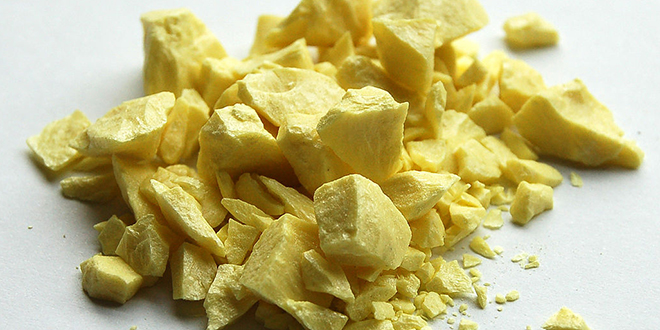
New study identifies one culprit behind Li-sulfur battery capacity fade
Lithium-sulfur batteries theoretically offer high energy density, and are widely seen as a promising next-generation energy storage system. However – you guessed it – they have several drawbacks. Among other issues, capacity tends to fade quickly. Researchers at the DOE’s Pacific Northwest National Laboratory (PNNL) have identified one of the reasons behind this problem, and found… Read more »
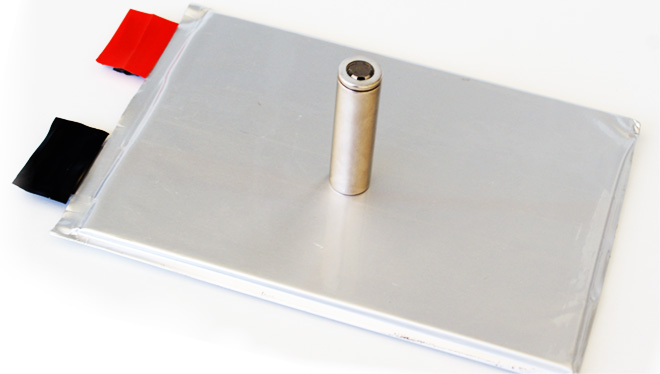
Stanford team develops Li-metal anodes
Lithium-metal anodes are the favored solution for next-generation Li-air or Li-sulfur batteries for various reasons, including their high specific capacity (theoretically tenfold higher than graphite). However, safety issues resulting from dendrite formation and instability caused by volume expansion have slowed the development of commercially viable solutions. In “Composite lithium metal anode by melt infusion of… Read more »
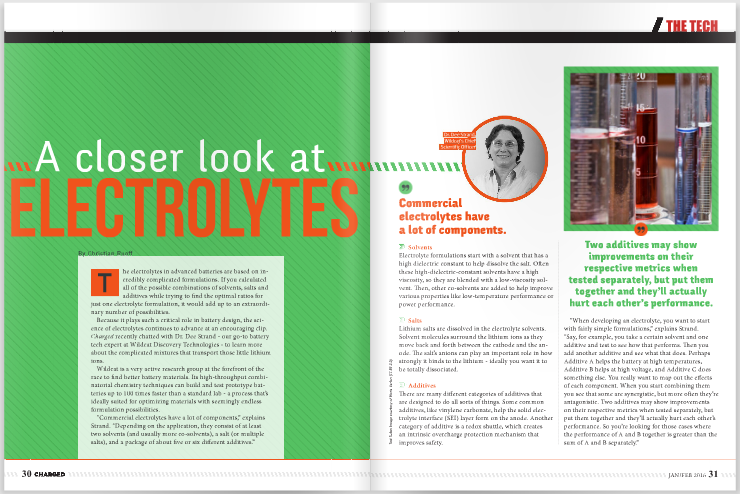
A closer look at electrolytes in advanced batteries
The electrolytes in advanced batteries are based on incredibly complicated formulations. If you calculated all of the possible combinations of solvents, salts and additives while trying to find the optimal ratios for just one electrolyte formulation, it would add up to an extraordinary number of possibilities. Because it plays such a critical role in battery… Read more »
DOE announces $58 million in funding for advanced vehicle technologies
The DOE has announced a Funding Opportunity Announcement that makes $58 million available for the development of various types of automotive technology advancements. The DOE will fund cost-shared projects with private industry, national laboratories, and university teams. “Our work refining cars that are efficient, affordable and can plug into the grid will help propel us… Read more »
DOE offers $56 million in funding for transportation technology research
In January, the DOE is expected to make around $56 million in new funding available for transportation-related R&D projects. The Vehicle Technologies Program Wide Funding Opportunity Announcement describes how organizations can apply for grants to support the development of such vehicle technologies as advanced batteries, power electronics and electric motors. Areas of Interest include: EV… Read more »
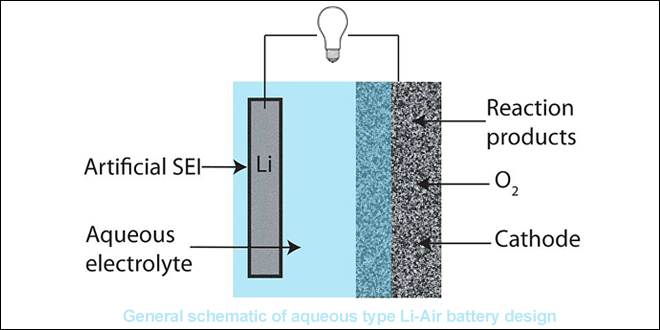
Cambridge scientists claim promising lithium-oxygen battery advancements
Cambridge scientists have developed a working demonstrator of a lithium-oxygen battery that is more than 90% efficient, and can be recharged more than 2,000 times. Lithium-oxygen, or lithium-air, has been touted as the ultimate battery technology, because its theoretical energy density is ten times that of lithium-ion solutions. In “Cycling Li-O2 Batteries via LiOH Formation… Read more »
European researchers: Our new Li-sulfur battery is more energy-dense, cheaper and safer
EU-funded researchers in the LISSEN (Lithium Sulfur Superbattery Exploiting Nanotechnology) project have developed a new lithium-sulfur battery that uses lithiated silicon as the anode and a nanostructured sulfur-carbon composite as the cathode. The team says its battery offers an energy density at least three times higher than that of current lithium battery technology, as well… Read more »
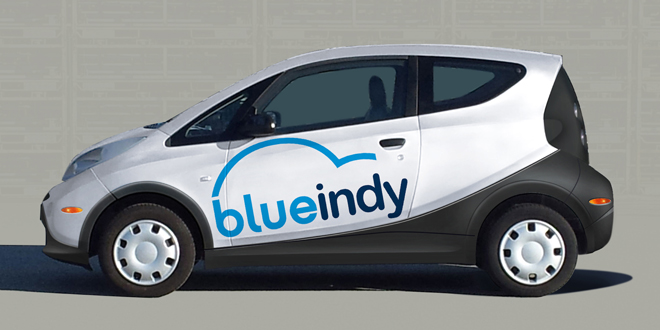
Electric car sharing service opens in Indianapolis
Indianapolis is becoming something of an EV hotspot. The all-electric car sharing service BlueIndy opened for business this week. BlueIndy is owned by the Bolloré Group, a French conglomerate that operates car sharing services in several other cities, including the successful Autolib in Paris. The new car sharing service uses the Bluecar, a two-door hatchback… Read more »
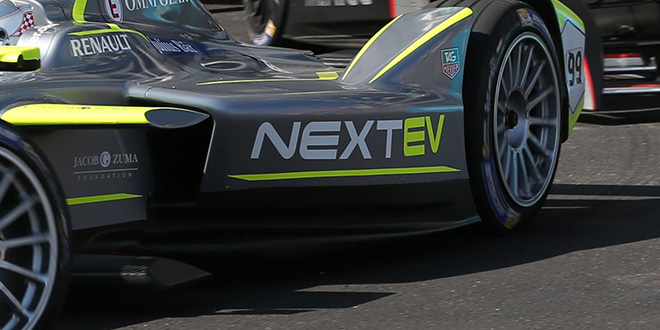
Another Chinese-backed startup announces plans for an electric supercar
New EV companies are cropping up like dendrites on a lithium metal anode. The latest startup to emerge from stealth mode is called NextEV. Like many of the current crop (see Faraday Future, Atieva, Fisker, Leshi), NextEV is backed by Chinese investors, and is not affiliated with a traditional automaker, although it has recruited execs… Read more »