








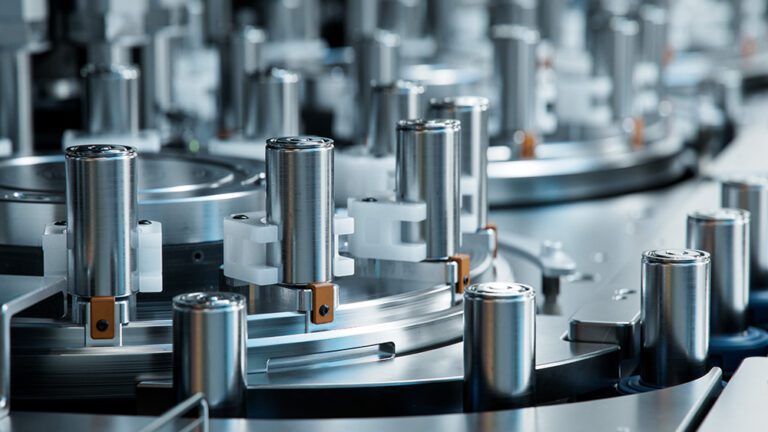
US-headquartered Micromeritics Instrument, a manufacturer of systems for measuring density, surface area and porosity, powder rheology, and catalyst activity, is partnering with German battery research institute and production facility Fraunhofer FFB, which is part of the Fraunhofer Battery Alliance. The collaboration focuses on educating future scientists and engineers and the production of training content for… Read more »
Search Results Found For: "Solid-state "
Ferrari, NXP and University of Bologna open E-Cells Lab to advance EV battery cell research
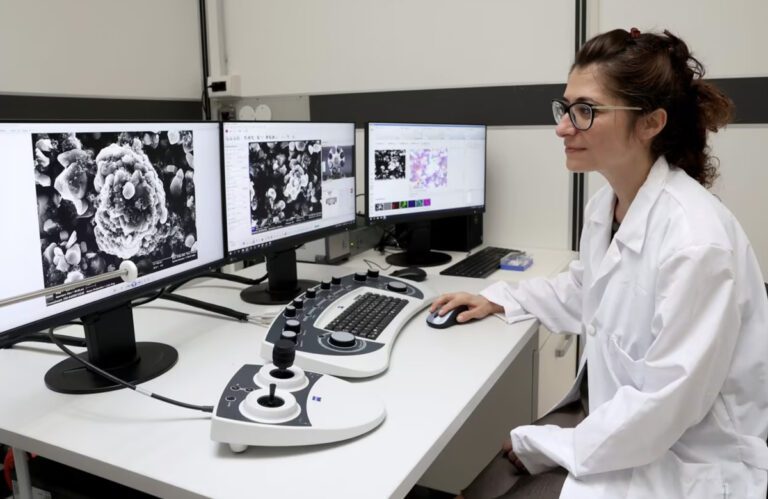
E-Cells Lab, a research center for electrochemistry within the University of Bologna, has been opened in collaboration with Ferrari and semiconductor firm NXP to advance knowledge of the materials and chemical and physical properties of lithium-ion battery cells. The University of Bologna is providing a dedicated space with equipment to conduct advanced analyses. Ferrari is… Read more »
Sakuu manufactures lithium metal cell using dry process
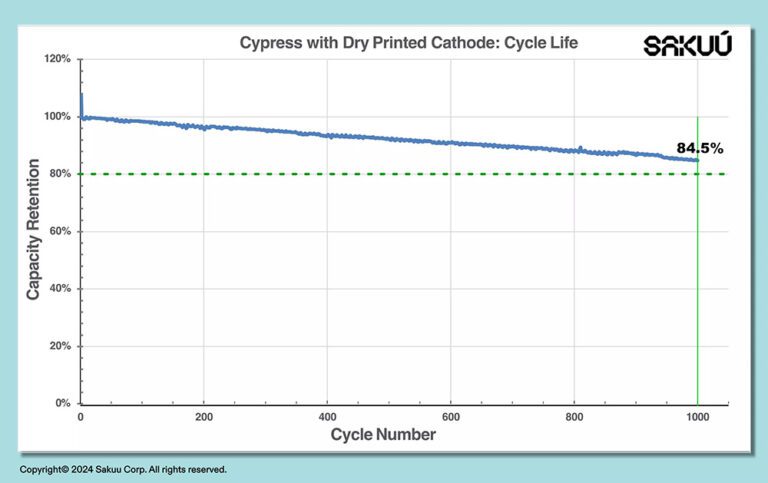
US solid-state battery specialist Sakuu has produced its lithium metal Cypress battery cell using a fully dry process. The company has now produced commercial-grade lithium-metal anode battery cells using both wet and dry electrode manufacturing. The batteries can run for 1,000 cycles at 100% depth of discharge (DoD) to 80% state of health (SOH), providing… Read more »
Lyten exceeds 90% yield in lithium-sulfur battery production
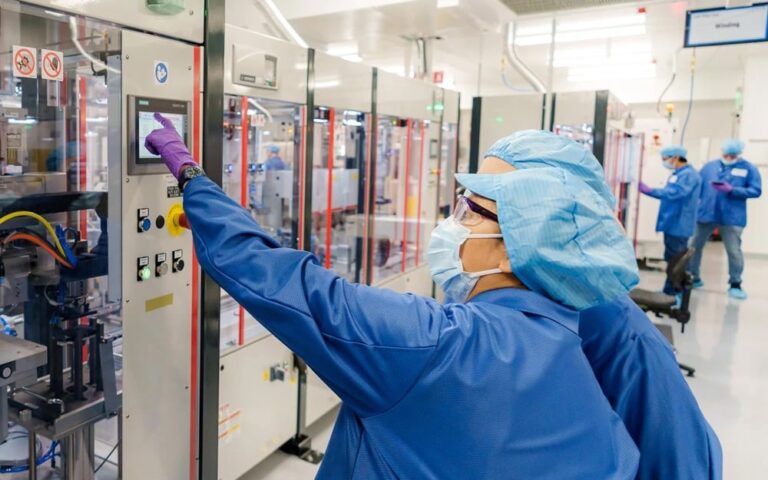
Lyten, a supermaterials application company, reports that its automated battery production line consistently exceeds 90% yield, confirming the viability of manufacturing its lithium-sulfur battery using a sulfur cathode and lithium metal anode. Converting lithium-ion equipment to produce lithium-sulfur batteries in Lyten’s pilot facility required six weeks. Lyten’s lithium-sulfur battery chemistry utilizes no N-methyl-2-pyrrolidone (NMP) in… Read more »
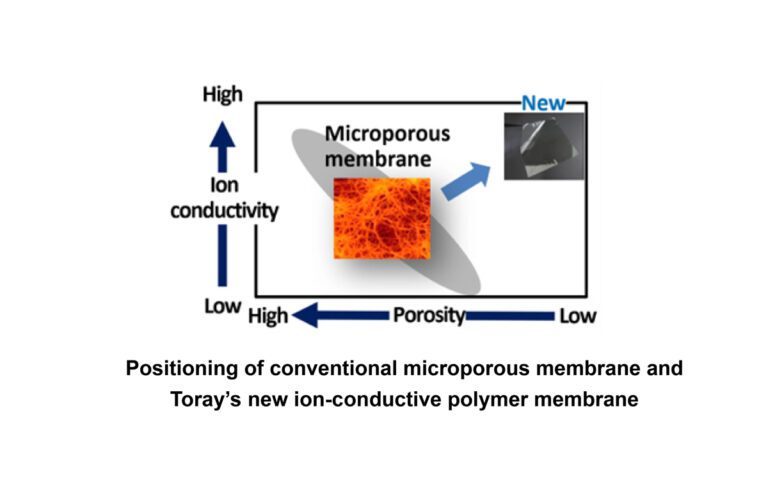
Toray develops ion-conductive polymer membrane for batteries
Toray Industries, a Japanese performance chemical manufacturer, has developed an ion-conductive polymer membrane that it says delivers 10 times the ion conductivity of its predecessors. The new polymer membranes offer ion conductivity through hopping conduction. This mechanism enables lithium ions to traverse between interacting sites within polymer membranes, jumping across sites. The membranes remain non-porous…. Read more »
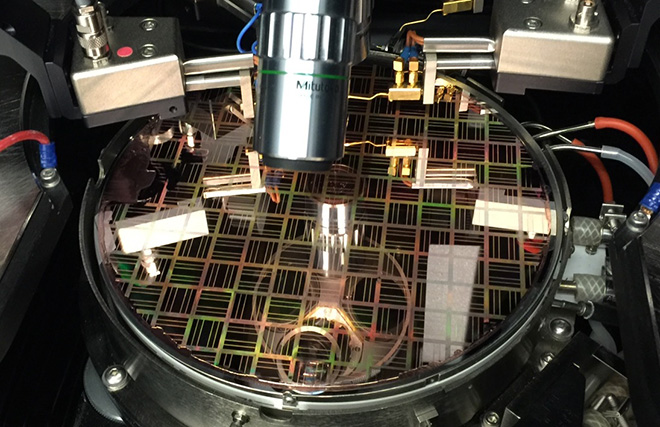
Ideal Power receives order for its B-TRAN power switches for EVs
US-based Ideal Power has received a purchase order for its Bidirectional, Bipolar Junction Transistor (B-TRAN) semiconductor power switch from an unnamed power semiconductor and power electronics firm. The customer purchased B-TRAN devices and a circuit breaker evaluation board, and is collaborating with Ideal Power on developing a solid-state circuit breaker (SSCB) design for its launch… Read more »

E-Fuse based on Microchip’s mSiC™ Technology
EVs with 400 V battery systems were introduced over a decade ago and now we are seeing the industry migrate toward 800 V systems primarily to support DC fast charging. With the increased voltage and lessons learned from 400 V systems, designers are now focused on enhancing the performance of high-voltage protection circuits along with… Read more »
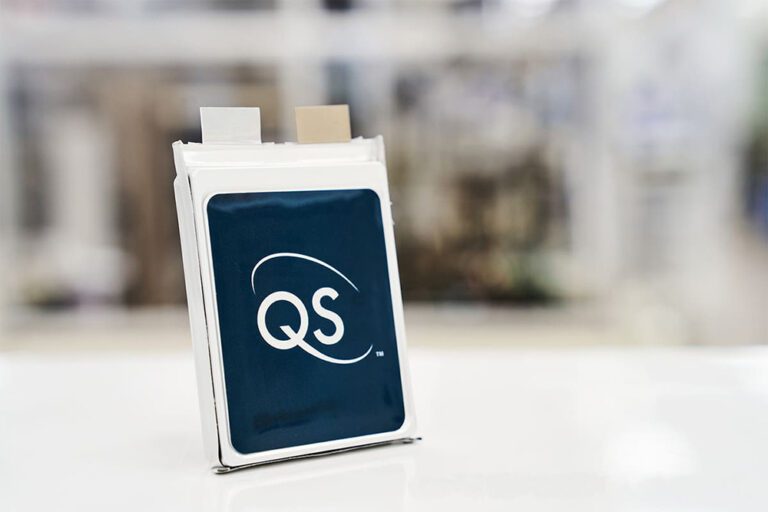
QuantumScape shipping Alpha-2 prototype battery cells
QuantumScape is developing solid-state lithium-metal battery technology that promises significant performance improvements compared to current lithium-ion cells. Now the company has started customer shipments of Alpha-2 prototype battery cells, a significant milestone on the road to delivery of its first planned commercial product, called QSE-5. QuantumScape’s Alpha-2 prototypes integrate many significant component improvements made over… Read more »
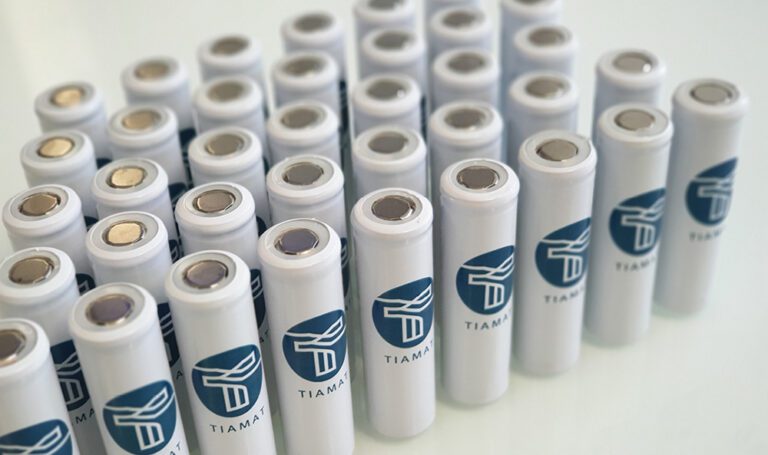
Stellantis Ventures invests in Tiamat’s sodium-ion battery technology
Stellantis Ventures has made a strategic investment in France-based sodium-ion battery developer Tiamat. Tiamat says its sodium-ion technology is lithium- and cobalt-free and cheaper per kilowatt hour (kWh) when compared with lithium-ion batteries. The wide availability of sodium boosts sustainability and material sovereignty. Tiamat will use the new funding to start construction of a sodium-ion… Read more »

Li-Metal completes concept study for commercial-scale lithium metal plant
Li-Metal, a Canada-based developer of lithium metal technologies, has completed a concept study for a commercial North American lithium metal production facility with an annual capacity of up to 1,000 tonnes. Li-Metal expects its plant to require approximately 5,600 tonnes of lithium carbonate per year. The plant will use Li-Metal’s patented carbonate-to-metal (C2M) lithium metal… Read more »