








Q&A with Littelfuse’s Geoffrey Schwartz Construction vehicles are being electrified at a surprisingly rapid pace, as operators recognize not only the cost savings, but the advantages of silent, emission-free operation. However, the high power requirements of these vehicles mean that vehicle designers face unique technical challenges, especially when it comes to circuit protection. High-voltage DC… Read more »
Search Results Found For: "Megawatt Charging Standard"
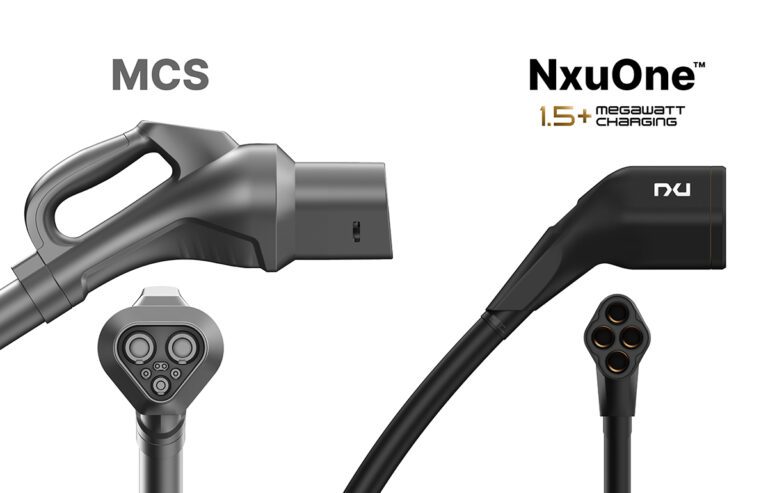
Nxu exits CharIN, tests a proprietary megawatt EV charging system
As if one standards war (CSS vs Tesla’s NACS) weren’t enough, one company is now developing its own charging standard for heavy-duty EVs. Nxu, a manufacturer of battery cells and packs, says it will soon begin alpha field trials of NxuOne, a proprietary charging solution that can deliver up to 1.5 megawatts of continuous power…. Read more »
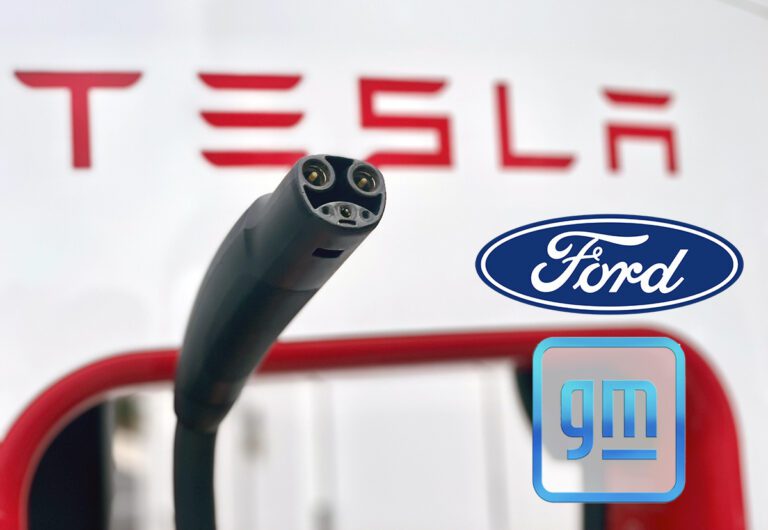
Winners and losers emerge as the Tesla charging bandwagon gathers speed
In a decade of covering the EV industry, I can’t recall ever seeing such immediate and near-universal praise for any development as I have for the news that Ford and GM will partner with Tesla to give their EVs access to the Supercharger network. The news broke in two waves, each of which swamped the… Read more »
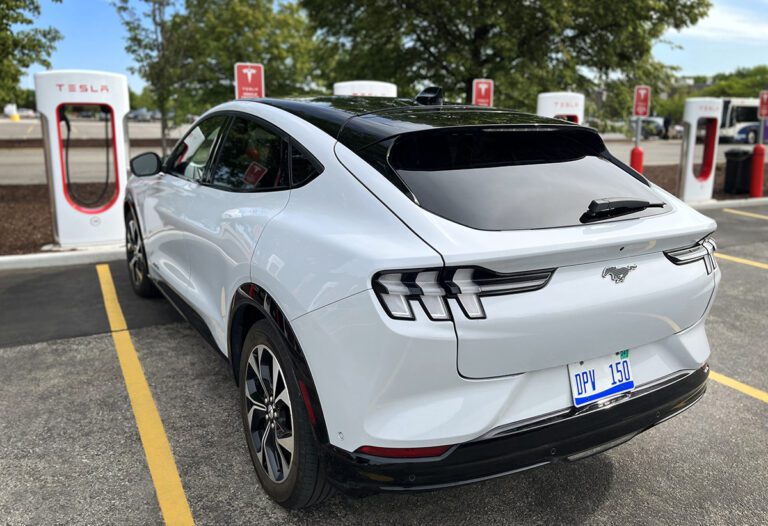
CharIN is not thrilled about the Ford/Tesla charging deal
Ford and Tesla recently reached an agreement that will give Ford EV customers access to Tesla’s network of 12,000 North American Superchargers starting in 2024. What’s more, Ford says it will equip future EVs with Tesla’s NACS charging port starting in 2025. The deal is the talk of the EV industry, and most of the… Read more »
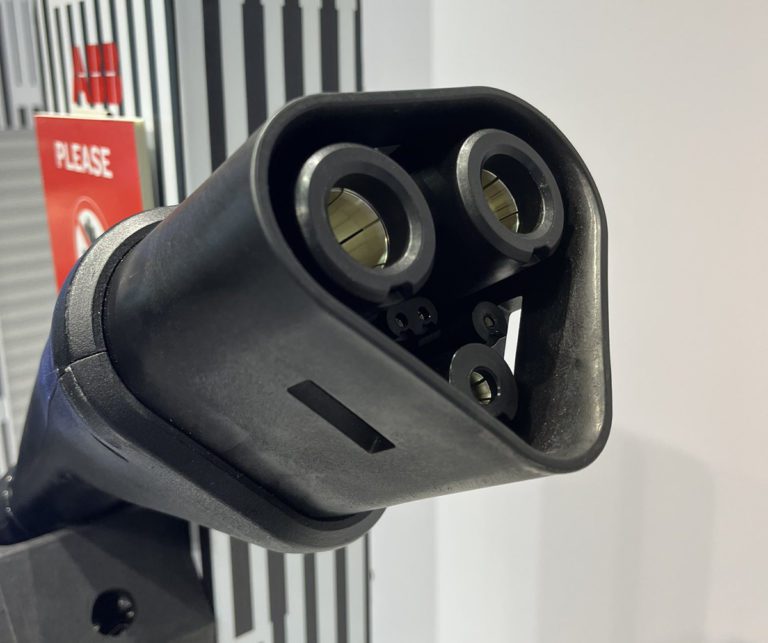
Megawatt Charging System will kill hydrogen trucks once and for all, says electric truck expert
The sales figures make it increasingly plain that fuel cell passenger cars have no future, but hydrogen fans still have high hopes for applications like long-distance trucking, in which long range and fast refueling times are important. The endless articles churned out by anti-EV interests tend to have a lot to say about hydrogen, along… Read more »

WattEV opens heavy-duty electric truck charging depot at Port of Long Beach
California’s recent adoption of the ACF regulation, which will phase out diesel trucks over the next few years, has highlighted the pressing need for heavy-duty EV charging infrastructure. WattEV is doing its part. Construction of its 26-truck charging plaza at the Port of Long Beach is complete, and the company, along with charging standards organization… Read more »
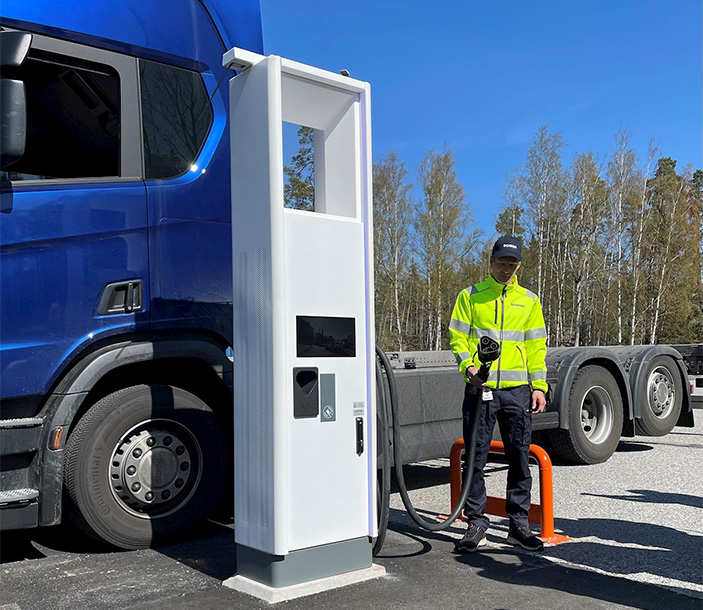
ABB E-mobility and Scania successfully test Megawatt Charging System
Scania has successfully installed and tested a pilot Megawatt Charging System from ABB E-mobility. Deploying this high-power charging solution could enable operators to halve the charging time for heavy-duty vehicles, says Scania. Scania calls the testing, which was done to prove the technical viability of high-current charging, a first important step towards a future system,… Read more »
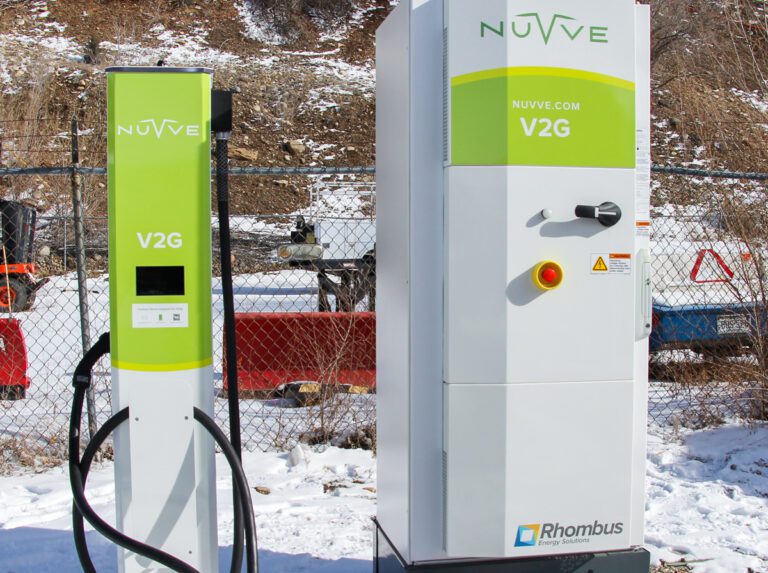
Why California needs to mandate bidirectional charging capabilities for EVs
Explaining the benefits of bidirectional EV charging: Q&A with Nuvve CEO Gregory Poilasne The term “game-changing” gets thrown around a lot in the EV field, but if there’s any new technology that really does deserve to be described this way (as California Governor Gavin Newsom recently did), it’s bidirectional charging. Going bi adds several nifty… Read more »
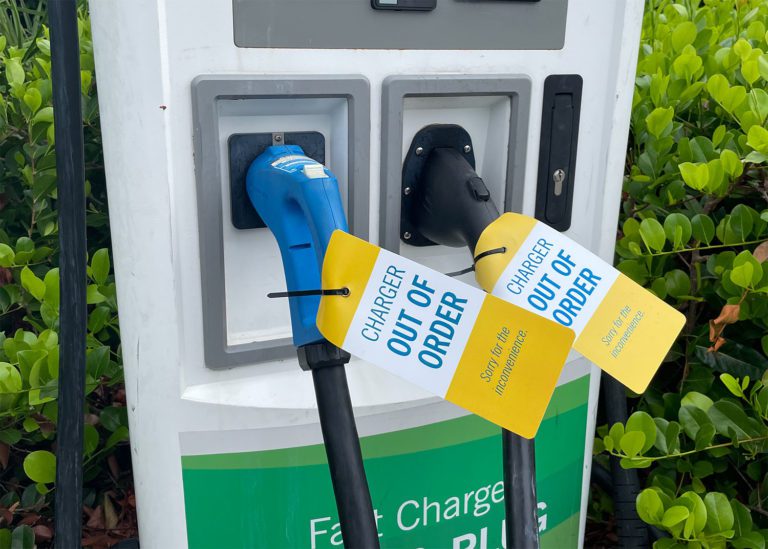
Developing standards for EV charging reliability
Q&A with Frank Menchaca, President of SAE International’s Sustainable Mobility Solutions The reliability—or rather, the unreliability—of public EV charging stations is nothing less than a scandal, and it’s holding back EV adoption. This tragedy involves a cast of many players—automakers, charger manufacturers, network operators, electric utilities, and often a lot more—and all need to start… Read more »
Proposed California law would require bidirectional charging capability for EVs
A bill currently making its way through the California legislature would require all new EVs sold in the state to be equipped with bidirectional charging capability by 2027. SB 233, which has passed the Senate Energy Committee and will be heard before the Senate Transportation Committee on April 25, would also establish state goals for… Read more »