



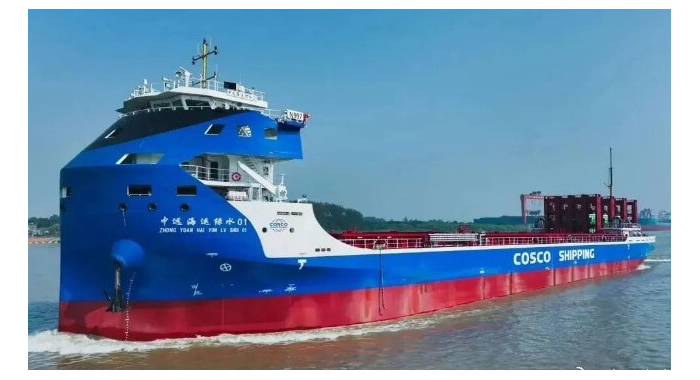
It’s widely believed that shipping will be one of the hardest transportation segments to electrify. However, as usual, the Chinese are on the case. The state-owned China Ocean Shipping Group (Cosco) has developed and manufactured an all-electric container ship, the Greenwater 01, which is now operating a regular service route between Shanghai and Nanjing. As… Read more »
Search Results Found For: "gm"
Under US pressure, Mexico refuses to offer incentives for Chinese EV makers
After decades of trumpeting “free trade,” and watching industry after industry decamp to China, the US government has apparently decided to draw a red line in front of the auto industry, and protectionism is back in style. US automakers are currently protected from Chinese competition by a 27.5% tariff. But will that be enough to… Read more »
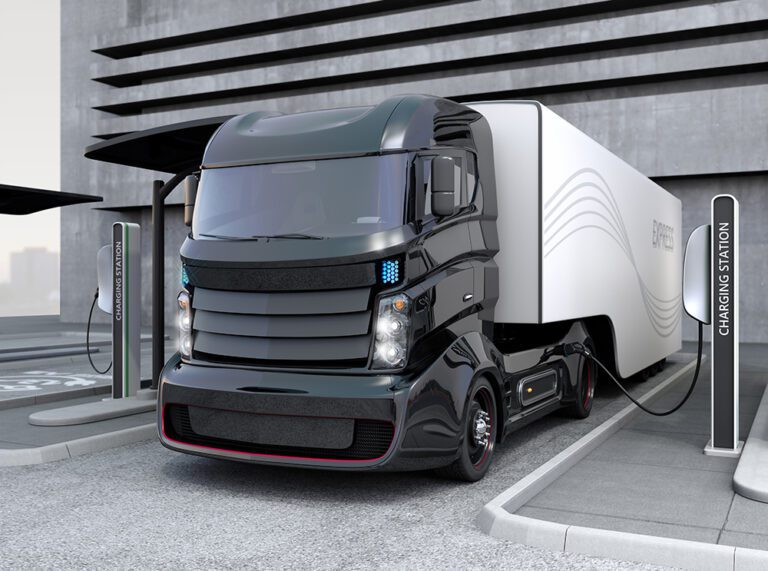
Electrification gaining momentum in fleet vehicle industry
Sponsored by Parker Lord. The electrification of commercial vehicles, including trucks, buses and fleet vehicles, is gaining significant momentum globally. According to a report by Smart Energy Decisions, there were more than one million electric vehicles (EVs) in commercial and government fleets in the United States as of 2021, up from just over 300,000 in… Read more »
Certification And Testing Of EV Charging Stations
Due to an increase in the adoption of battery electric vehicles, direct current fast charging (DCFC) stations have become a critical emerging topic. An extensive charging infrastructure of these types of DCFC stations can help to eliminate range anxiety and further encourage consumers to transition to battery electric vehicles. As this industry grows, manufacturers need… Read more »
Charge Times of NACS vs J1772: What Charging Interfaces Will Look Like In 3 Years
This session will be an in depth look at Type-1 (SAE J1772) vs NACS (SAE J3400). With the commitment of many EV manufacturers to switch to NACS inlets in 2025, what does it mean for charging infrastructure and consumers? In this session we will discuss the similarities and differences of Type-1 vs. NACS, and how… Read more »
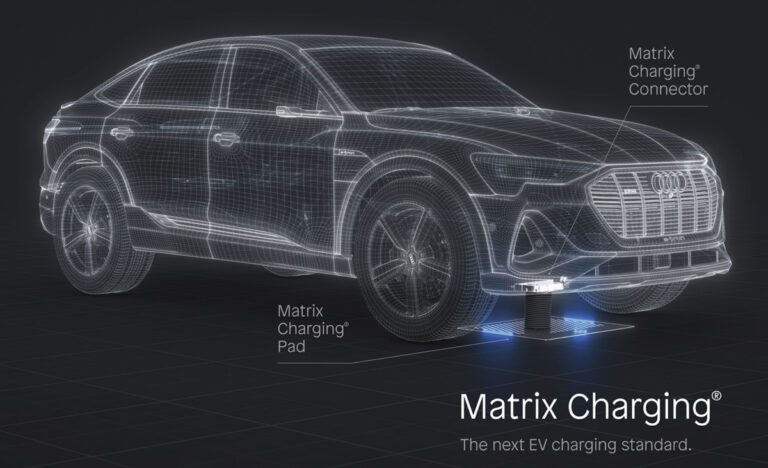
Easelink, NXP develop automated EV charging positioning system
Austrian technology firm Easelink and Dutch manufacturer NXP Semiconductors have jointly developed a positioning system for automated EV charging based on ultra-wide band (UWB) technology. The system integrates UWB—a wireless technology that securely, precisely, and efficiently estimates the relative positions of two electronic devices—to help bring a vehicle into the optimal position for fully automated… Read more »

Retail chains aren’t deploying the EV chargers they’ve promised
It seems like every day, we read about another company pledging to roll out lots of public charging stations across the country. Automakers, utilities, oil companies, hotel and apartment chains, restaurants and retailers—everybody is (or claims to be) getting into the act. Even your favorite EV pundit abandoned his usual skepticism and gushed that, if… Read more »
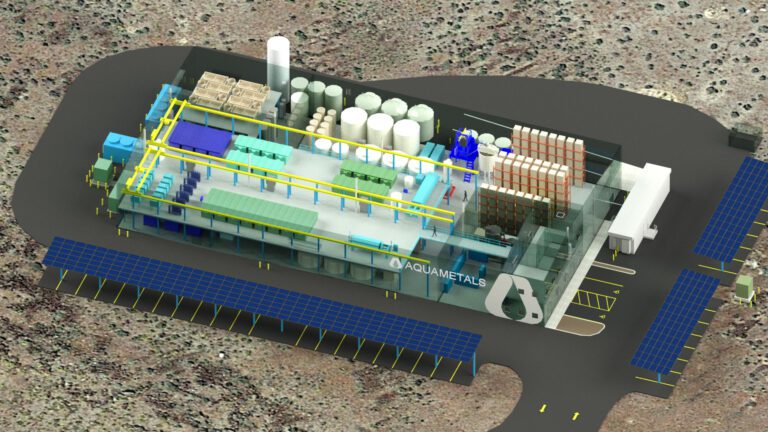
Aqua Metals is building a more sustainable battery recycling ecosystem
Q&A with Aqua Metals execs Steve Cotton and David Regan Regardless of the claims made in Facebook memes, Li-ion batteries are eminently recyclable, and current recycling methods cause far less environmental damage than the well-documented depredations of the petroleum industry. However, as sustainability is central to the mission of the EV industry, we need to… Read more »

New study finds EV owners are very satisfied with home charging
When it comes to public EV charging…well, let’s just say we hear from a lot of dissatisfied customers. Home charging is by all accounts quite a different experience, and a new study from automotive data provider J.D. Power confirms the anecdotes we hear from EV drivers who charge at home. The J.D. Power 2024 U.S…. Read more »
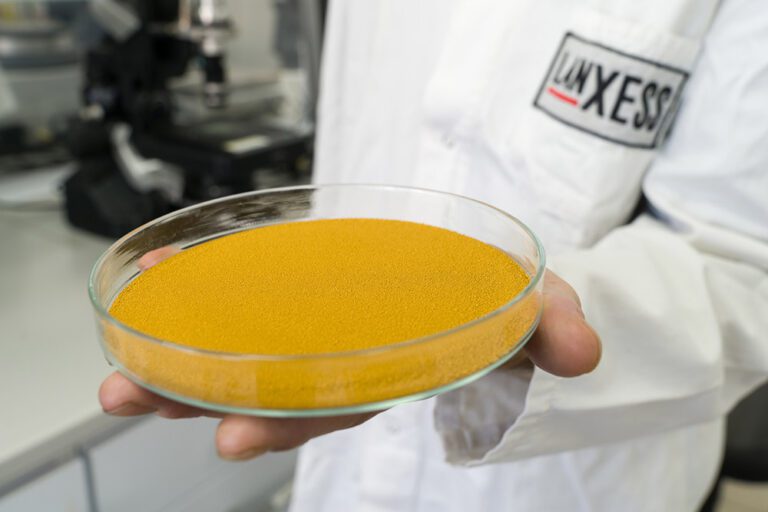
LANXESS and IBU‑tec to develop iron oxides for LFP battery material
German chemical company LANXESS and battery materials manufacturer IBU-tec are collaborating on research aimed at developing iron oxides for lithium iron phosphate (LFP) cathode material and improving battery performance. The companies want to improve LFP battery energy density, charging speed and cycle life. European LFP demand is predicted to climb 20% per year until 2030…. Read more »