








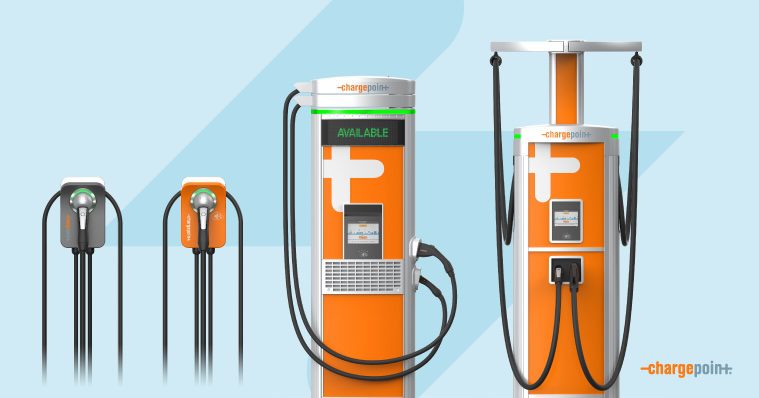
EVSE supplier and charging network operator ChargePoint has announced that its entire current hardware portfolio now supports Plug & Charge technology. Plug & Charge, based on the ISO 15118-20 communication standard, simplifies charging for EV drivers. Instead of navigating proprietary apps or dealing with credit card readers (both common points of failure), drivers simply plug… Read more »
Search Results Found For: "Plug & Charge"
CharIN unveils OPNC protocol to enable supplier-agnostic Plug & Charge
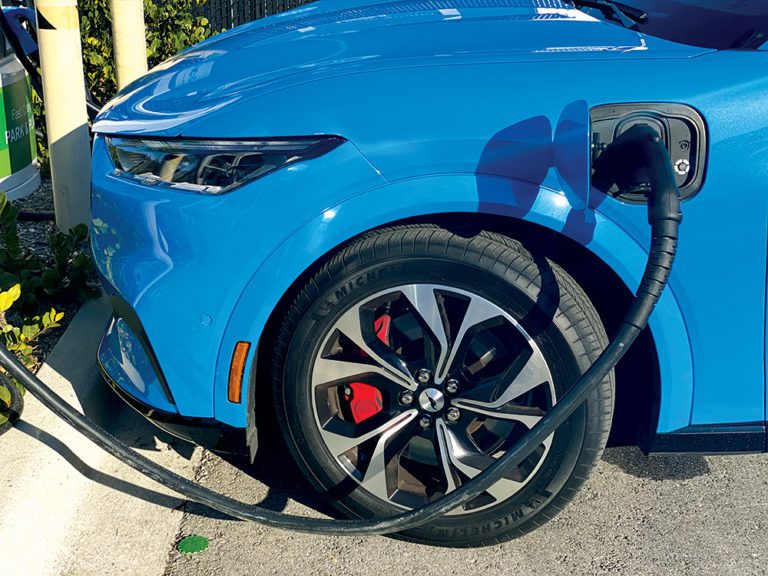
EV charging standards facilitator CharIN has introduced the Open Plug & Charge Network Communication (OPNC) Protocol, which is designed to elevate the Plug & Charge functionality of EV charging infrastructure. This API protocol enables supplier-agnostic Plug & Charge with Multi-V2G-PKI (Public Key Infrastructure) and Multi-MO-PKI (mobility operator) interoperability based on the ISO 15118 standard. Plug… Read more »
Driivz and Hubject partner to implement Plug & Charge system based on ISO 15118
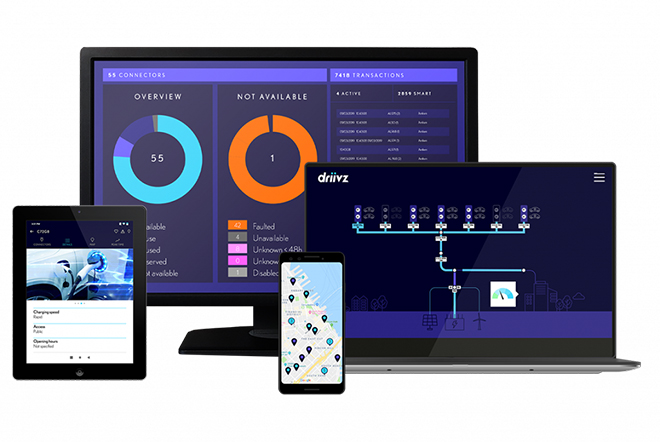
Driivz, provider of a charging and energy management software platform, is cooperating with eRoaming provider Hubject to deliver a seamless Plug & Charge EV experience based on ISO 15118. The ISO 15118 standard defines the communications protocol between charging stations and EVs. One of the nifty features it enables is Plug & Charge, which allows… Read more »
Tritium adds Plug & Charge capability to its charging stations
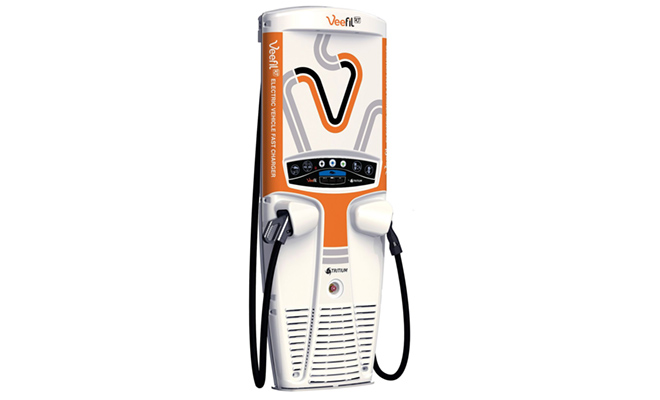
Tritium, an Australia-based manufacturer of DC fast charging stations, has incorporated Plug & Charge technology into its products. Tritium says Plug & Charge capability is available immediately for charge point operators to deploy on its PK350kW DC High Power Chargers. Plug & Charge, based on the ISO 15118 standard, enables direct communication between an EV… Read more »
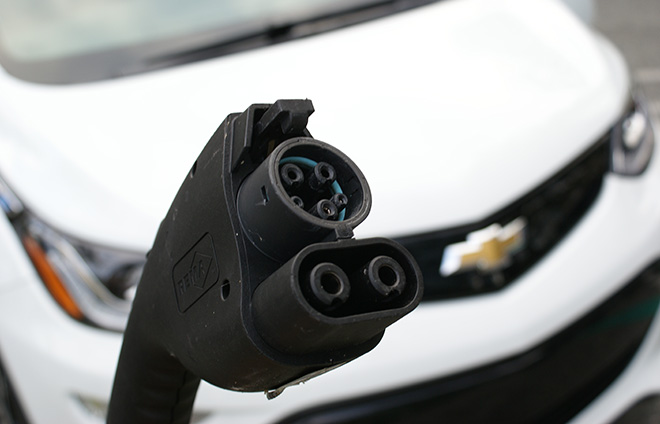
SAE works to develop common Public Key Infrastructure for Plug & Charge
The Plug & Charge system, which will enable EV charging with no need for a membership card or smartphone app, is expected to be operational in 2020. In order to support a more secure implementation of Plug & Charge, SAE International plans to form an industry-led research project to create a common Public Key Infrastructure… Read more »
Autocharge vs Plug & Charge (ISO 15118): What’s the difference—and what comes next?
Every year, technology makes it easier to spend money—except when it comes to EV charging. We can buy a candy bar or a car with one tap of our credit card, but charging on the highway (for non-Tesla drivers) requires dealing with a phoneful of often poorly-designed apps. Plug & Charge, a system based on… Read more »
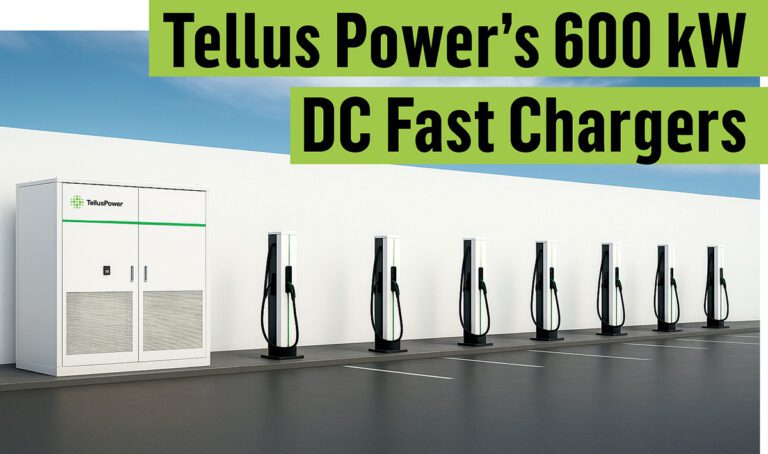
Inside Tellus Power’s 600 kW DC fast chargers: distributed architecture, NACS/CCS support and Plug & Charge
Tellus Power aims to deliver the features customers need today, while preparing for a massive scaling up in the future. It’s tough to keep up with the latest developments in the EV fast charging industry these days. Charging providers are rapidly rolling out fast charging stations around the world, with ever-larger numbers of individual charging… Read more »

ChargePoint to join Hubject ecosystem, will implement Plug & Charge EV charging
One of the biggest problems with public EV charging is the fragmented nature of the networks (now more fashionably known as CPOs). Charging an EV should be as easy as using a cell phone, but many CPOs still expect drivers to download apps, set up passwords, etc. Ugh! Hubject has developed an eRoaming platform that… Read more »
Emobi and Autocrypt collaborate to make Plug & Charge EV charging more secure
Emobi, an e-mobility roaming network provider, and Autocrypt, an automotive cybersecurity provider, have been working together since 2023 to develop a secure communication framework for EVs and charging stations based on ISO 15118-2 and ISO 15118-20 standards. The collaboration has focused on “building a robust Public Key Infrastructure (PKI) to address errors and data inconsistencies… Read more »